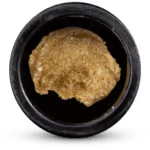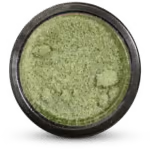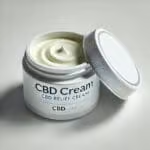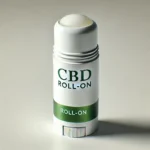
Pour les zones sèches et localisées, un baume est généralement préférable ; pour les zones plus étendues, une crème s’étale plus facilement et est plus agréable à appliquer. Cependant, plus que la texture, c’est la formule qui compte : la quantité de cannabinoïdes que contient le produit et les autres ingrédients. Santé Canada et le Centre canadien sur les dépendances et l’usage de substances soulignent tous deux que le dosage topique est encore mal défini, c’est pourquoi nous vous encourageons à lire l’étiquette plutôt que de vous fier au marketing.
TL; DR:
- Lors du choix d'un produit topique à base de cannabis, la concentration en cannabinoïdes et la liste complète des ingrédients sont plus importantes que la texture du produit.
- Des certificats d'analyse en laboratoire et le respect des procédures de test épicutané sont essentiels avant toute application à plus grande échelle.
- Des détails de formulation tels que les agents de perméation et les lésions cutanées augmentent considérablement le risque d'absorption systémique.
- Les données probantes concernant les cannabinoïdes topiques sont limitées, les résultats variant en fonction de la formulation, de la dose et de l'affection traitée.
- La sensation de fraîcheur ou de chaleur procurée par des additifs comme le menthol n'est pas un indicateur de l'efficacité du produit.
Table des Matières
- Définitions : que signifient les termes baume, crème et autres produits topiques ?
- Comment fonctionnent les produits topiques à base de cannabis et provoquent-ils un effet psychoactif ?
- Que disent les preuves : procès, examens et leurs limites
- Liste de contrôle de sécurité : test épicutané, vérification des étiquettes et risques de contamination
- Choisir entre un baume et une crème : un guide pratique
- Mode d'emploi : utilisation étape par étape, quantités et suivi des bénéfices
- Point de vue de l'auteur et notre approche des produits topiques
- Là où les conseils classiques sur le baume et la crème sont insuffisants
- Boutique de produits topiques à Montrose : par où commencer ?
- QFP
- Références
Définitions : que signifient les termes baume, crème et autres produits topiques ?
Santé Canada regroupe les onguents, crèmes, lotions, huiles, baumes, onguents, timbres et gels sous l’appellation « produits topiques à base de cannabis ». Ce nom de catégorie ne renseigne pratiquement pas sur la concentration ou l’effet du produit ; il décrit surtout sa texture et son mode d’application sur la peau.
- Baumes et pommades Ce sont des produits à base d'huile et de cire, épais et occlusifs, qui restent donc en surface et retiennent l'humidité.
- Crèmes et lotions Ce sont des émulsions d'huile et d'eau, ce qui les rend plus fluides, à absorption plus rapide et plus faciles à étaler sur de grandes surfaces.
- Les gels ont tendance à procurer une sensation de fraîcheur et à sécher rapidement, tandis que patchs assurer une libération constante pendant des heures.
Les additifs modifient davantage la sensation procurée par un produit que l'effet réel du cannabinoïde. Le menthol ou le camphre procurent une sensation de fraîcheur ou de chaleur qui peut soulager même à faible dose de cannabinoïde ; une sensation de picotement n'est donc pas une preuve d'efficacité.
Comment fonctionnent les produits topiques à base de cannabis et provoquent-ils un effet psychoactif ?
On considère généralement que les cannabinoïdes topiques agissent localement, en interagissant avec les récepteurs de la peau et des tissus sous-jacents plutôt qu'en se diffusant largement dans le sang. Cette action pourrait notamment consister à calmer les signaux inflammatoires et à moduler les canaux TRP, la même famille de récepteurs impliquée dans la perception de la chaleur, du froid et des irritations par la peau.
Un test cutané est la méthode la plus sûre pour introduire un nouveau produit topique , car les réactions allergiques cutanées sont le problème le plus fréquemment signalé avec les baumes et les crèmes à base de cannabis, selon les directives de Santé Canada, qui notent que le moment, la durée et les risques spécifiques de l'utilisation topique ne sont pas encore bien compris et qu'aucun dosage topique n'a été établi.
Certaines conditions favorisent l'absorption systémique :
- Des agents de perméation ont été ajoutés à la formule pour améliorer la pénétration.
- Peau abîmée, craquelée ou autrement endommagée.
- Couvrir une grande surface ou utiliser le produit de façon répétée pendant plusieurs jours.
Que disent les preuves : procès, examens et leurs limites
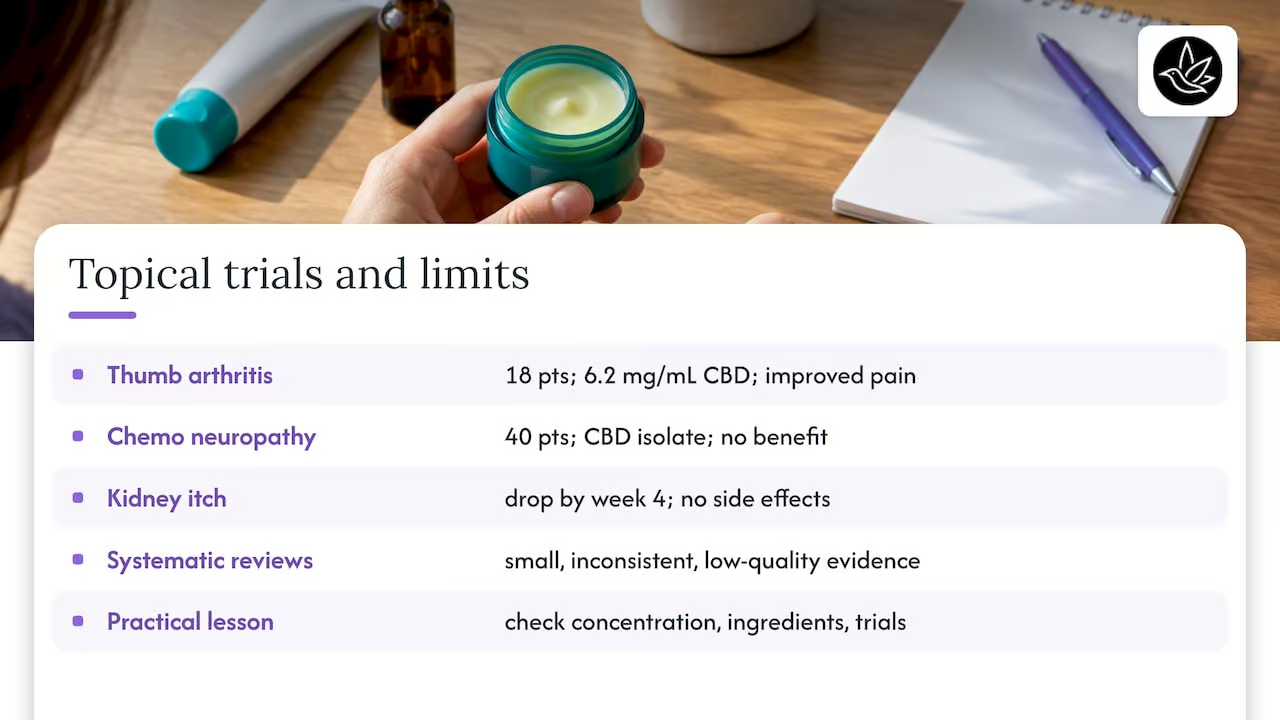
Les recherches sur les produits topiques à base de cannabis sont réelles mais limitées, et elles étayent rarement des affirmations catégoriques. Un petit essai contrôlé randomisé portant sur l'application topique de CBD pour l'arthrite de la base du pouce a testé une formule spécifique de CBD à 6.2 mg/mL dans du beurre de karité chez 18 personnes et a constaté une amélioration des scores de douleur et d'invalidité sans effets indésirables. Un essai pilote de 2024 a donné des résultats différents : une crème à base d'isolat de CBD pour la neuropathie induite par la chimiothérapie chez 40 patients n'a montré aucun avantage par rapport au placebo, bien qu'elle ait été bien tolérée. Parallèlement, une crème contenant du cannabis pour les démangeaisons liées à une maladie rénale a produit une diminution statistiquement significative des scores de démangeaisons à la quatrième semaine sans effets secondaires observés.
Les revues systématiques portant sur différentes affections douloureuses décrivent systématiquement les preuves concernant les cannabinoïdes topiques comme étant peu nombreuses, incohérentes et de faible qualité.
Ces différences s'expliquent par la formulation, la dose, l'affection traitée et la taille de l'étude, et non par la distinction entre baume et crème. Une étude de faible envergure, menée auprès de seulement 18 participants et portant sur une concentration différente de cannabinoïdes, ne permettra jamais de prédire comment un autre produit agira sur votre peau.
Leçon pratique : ne vous laissez pas tromper par les mots « baume » ou « crème » sur l’étiquette et vérifiez la concentration réelle en cannabinoïdes, la liste complète des ingrédients et l’existence d’études cliniques pour votre affection spécifique.
Liste de contrôle de sécurité : test épicutané, vérification des étiquettes et risques de contamination
Avant d'utiliser un nouveau produit topique sur une zone étendue, effectuez un bref contrôle de sécurité.
- Appliquez une petite quantité à l'intérieur de votre avant-bras et attendez 24 à 48 heures.
- Surveillez l'apparition de rougeurs, de démangeaisons, de gonflements ou d'éruptions cutanées avant d'appliquer le produit sur une autre partie du corps.
- Vérifiez l'étiquette pour connaître la teneur totale en cannabinoïdes en milligrammes, et non pas seulement la mention « CBD » ou « THC ».
- Recherchez un certificat d'analyse en laboratoire confirmant la composition exacte du contenu du bocal.
- Examinez la liste des excipients à la recherche d'allergènes connus tels que certains conservateurs ou composés parfumants.
Santé Canada signale également la contamination comme un risque réel avec les produits topiques mal fabriqués ou non testés ; il est donc tout aussi important de s'approvisionner auprès d'un détaillant qui communique les résultats de laboratoire que la formule elle-même.
Conseil de pro : Rangez les produits topiques à base de cannabis dans une armoire fermée à clé, à l’écart des aliments comestibles et hors de portée des enfants et des animaux domestiques, car les baumes et les crèmes peuvent ressembler à des produits de soin ordinaires et en avoir la même odeur.
Choisir entre un baume et une crème : un guide pratique
Choisissez le produit en fonction de l'usage prévu plutôt que de son marketing. Un baume épais et occlusif conviendra mieux aux petites zones sèches et difficiles à traiter, comme une articulation ou un coude, où vous souhaitez que le produit reste en place. Une crème plus légère s'étalera plus facilement sur une épaule, le bas du dos ou toute autre zone étendue où un résidu gras serait gênant.
Avant d'acheter, consultez cette courte liste :
- Combien de milligrammes de THC ou de CBD contient l'emballage complet, et non pas seulement la quantité indiquée par portion ?
- La liste des ingrédients comprend-elle des agents favorisant la perméation susceptibles d'augmenter l'absorption ?
- Existe-t-il un rapport de laboratoire (certificat d'analyse) consultable ?
- Le produit cible-t-il une pathologie pour laquelle il existe des données d'essais cliniques, même limitées ?
- Une préférence cosmétique (moins de brillance, absorption plus rapide) aurait-elle réellement une importance selon l'endroit où on l'applique ?
Si vous souffrez d'une affection chronique comme l'arthrite ou des douleurs nerveuses persistantes, consultez un professionnel de santé avant d'utiliser un traitement topique comme solution principale. Notre guide d'achat de sticks anti -douleur au CBD présente une alternative similaire si ni le baume ni la crème ne vous conviennent.
Mode d'emploi : utilisation étape par étape, quantités et suivi des bénéfices
Pour obtenir des résultats constants, il faut commencer par une routine simple.
- Lavez et séchez la zone cible afin que la peau soit propre avant l'application.
- Effectuez d'abord un test cutané sur une petite zone si vous n'avez jamais utilisé ce produit auparavant.
- Commencez par une quantité de la taille d'un petit pois et massez jusqu'à absorption complète.
- Évitez d'appliquer le produit près des yeux, de la bouche ou sur une peau lésée.
- Lavez-vous les mains après application, sauf si vous traitez vos mains directement.
- Notez l'heure, la quantité utilisée et tout changement de sensation au cours des prochaines 24 à 48 heures.
Ne réappliquez le produit qu'une fois que la précédente application a été entièrement absorbée, et évitez de bander la zone (occlusion) sauf indication contraire du produit, car cela peut augmenter l'absorption de manière imprévisible.
Conseil de pro : Tenez un court journal sur votre téléphone ; c’est le moyen le plus simple de distinguer un véritable soulagement d’un simple effet placebo ponctuel.
Point de vue de l'auteur et notre approche des produits topiques
J'ai comparé les formulations topiques de cannabis aux données cliniques disponibles, et l'écart est souvent plus important que ce que l'emballage laisse entendre. Notre service de livraison est conçu pour fournir rapidement à nos clients des produits fiables et bien documentés, sans les incertitudes liées à l'utilisation habituelle des topiques.
Notre sélection, soigneusement choisie, reflète la confiance de nos clients : le contenu du pot correspond à l'étiquette. Nous proposons des produits à usage médical et récréatif, et nous vous conseillons de commencer par une petite dose et de consulter les résultats d'analyses sur notre page boutique plutôt que d'acheter un produit inadapté à votre peau ou à votre état de santé.
Là où les conseils classiques sur le baume et la crème sont insuffisants
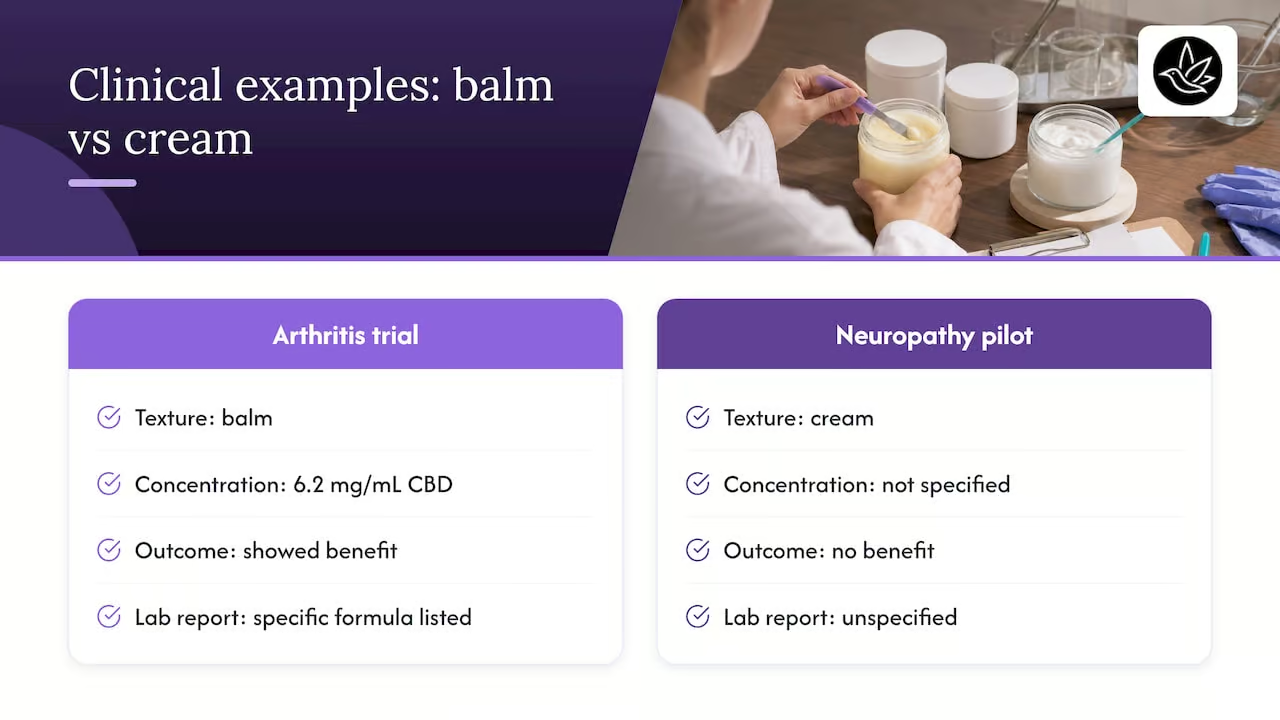
En réalité, la plupart des débats en ligne sur le choix entre baume et crème considèrent la texture comme une variable clinique. Or, ce n'est pas le cas. L'essai sur l'arthrite du pouce ayant démontré un bénéfice utilisait une formule spécifique de CBD à 6.2 mg/mL, et non un baume générique. Quant à l'étude pilote sur la neuropathie, qui n'a rien montré, elle utilisait une crème. La texture n'a permis de prédire aucun des résultats.
Ce qui est surestimé, c'est la sensation de fraîcheur ou de chaleur procurée par le menthol et le camphre, qui donne l'impression d'être une preuve d'efficacité mais qui n'est en réalité qu'une astuce sensorielle distincte et sans rapport, superposée à l'effet réel ou imperceptible du cannabinoïde.
Ce qui mérite votre attention en premier lieu, c'est la concentration en milligrammes, la liste complète des excipients et la présence d'un rapport d'analyse confirmant les allégations figurant sur l'emballage. Un baume joliment présenté avec une vague mention de « mélange exclusif » est moins informatif qu'une simple crème accompagnée d'un certificat d'analyse clair. Si vous n'avez le temps de vérifier qu'une seule chose avant d'acheter, privilégiez celle-ci.
— Nick
Boutique de produits topiques à Montrose : par où commencer ?
Nous vous simplifions la tâche pour essayer un produit topique à base de cannabis sans vous engager à fond : parcourez les options testées en laboratoire, lisez le certificat d’analyse et commencez par la plus petite taille disponible pour votre propre test cutané.

Notre boutique affiche clairement les produits topiques et accessoires actuellement disponibles, avec leurs détails, afin que vous puissiez comparer le dosage avant d'ajouter quoi que ce soit à votre panier. Commencez par une petite quantité, consultez le rapport d'analyse et ajustez ensuite selon vos besoins.
Cet article fournit des informations générales et ne saurait se substituer à l'avis d'un médecin qualifié. Consultez un professionnel de santé qualifié pour obtenir des conseils adaptés à votre situation avant d'entreprendre toute action basée sur les informations présentées ici.
QFP
Comment fonctionne la pommade au cannabis ?
On pense que les onguents à base de cannabis agissent principalement au niveau de la peau et des tissus sous-jacents, interagissant avec les récepteurs locaux plutôt que de pénétrer en grande quantité dans la circulation sanguine. Santé Canada souligne que le moment précis et les effets de l'application topique sont encore mal compris ; par conséquent, tout soulagement ressenti doit être considéré comme individuel et non comme garanti.
Où puis-je acheter du baume du dragon ?
Nous ne proposons pas de produit sous ce nom. Notre boutique répertorie les produits topiques et accessoires actuellement disponibles, ainsi que les informations de laboratoire les concernant.
Quel est le meilleur baume musculaire au CBD ?
Il n'existe pas de produit universellement supérieur aux autres. Les recherches montrent que les résultats dépendent fortement de la formulation et de la concentration utilisées, comme l'illustrent les résultats contrastés de l'essai sur l'arthrite du pouce et de l'étude pilote sur la neuropathie. Il est donc préférable de comparer la concentration en milligrammes et les résultats d'analyses plutôt que de rechercher un produit miracle.
Quelle forme de CBD est la plus efficace ?
Aucune forme de produit n'a démontré une efficacité supérieure à toutes les affections, les essais cliniques sur les topiques, les crèmes et autres formats présentant des résultats mitigés, voire contradictoires. Le guide de la CCSA souligne que la popularité de ces produits auprès des consommateurs a progressé plus rapidement que les données cliniques les étayant ; il est donc plus important d'adapter le format à votre cas d'utilisation spécifique que de rechercher une solution universelle.
Références
- Canada
- Cannabis comestible, extraits de cannabis et produits topiques à base de cannabis : un guide sur les nouveaux produits à base de cannabis | CCSA
- Essai contrôlé randomisé sur le cannabidiol topique pour le traitement de l'arthrite de la base du pouce
- Cannabidiol topique pour la neuropathie induite par la chimiothérapie établie : un essai pilote randomisé contrôlé par placebo
- Crème à base de cannabis pour le prurit associé à l'insuffisance rénale chronique (article PMC)
Recommandé
- Commencez par 2.5 mg : Produits comestibles à base de THC ou de CBD au Canada
- Choisir la bonne dose : Étiquettes du pourcentage de THC au Canada et gélules de 10 mg
- Quelle est la portion recommandée de cannabis ? Votre guide canadien 2026
- Commencez par 2.5 mg : dosages alimentaires sécuritaires au Canada