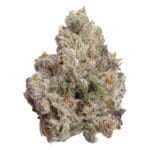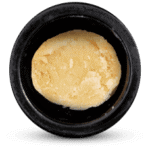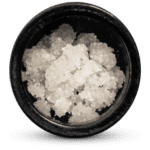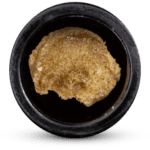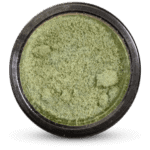
Cannabis smells different from strain to strain because of genetics, terpene profiles, minor volatile compounds (including volatile sulfur compounds), and post-harvest handling choices like harvest timing, drying, curing, and storage. Smell is one of the best early indicators of freshness and quality, though it tells you nothing about THC content — THC itself is odourless.
Here’s what shapes every whiff you take:
- Genetics (chemotype): The strain’s DNA determines which terpenes and minor volatiles it produces and in what ratios.
- Terpenes: Aromatic compounds like myrcene, limonene, and caryophyllene form the scent foundation of most flower.
- Volatile sulfur compounds (VSCs): Trace-level molecules responsible for the most distinctive “gas,” “skunk,” or citrus-petroleum notes prized in exotic varieties.
- Post-harvest handling: Harvest timing, drying method, curing duration, and storage vessel all reshape the volatile profile before the product ever reaches you.
Montrosecannabis sources craft flower from top-tier growers with these factors in mind, so the aroma you smell on delivery reflects the care taken at every stage.
Table of Contents
- Which molecules make cannabis smell the way it does?
- What do common cannabis scent families actually smell like?
- How cultivation, harvest timing, drying, and curing change the smell
- Why does some cannabis smell skunky, gassy, or chemical?
- How does smell change when you smoke, vape, or carry cannabis?
- How to tell quality cannabis from spoiled or contaminated product by smell
- What other plants and things can smell like cannabis?
- How this article was researched and how to verify product claims
- The role of flavonoids, esters, and other minor volatiles in cannabis aroma
- How to read aroma profiles as quality indicators
- How Canadian terroir shapes cannabis aroma
- Key takeaways
- What smell actually tells you about cannabis quality
- Craft flower, delivered to your door in the GTA and Durham Region
- Useful sources and further reading
- FAQ
Which molecules make cannabis smell the way it does?
Terpenes are the aromatic hydrocarbons produced in the resin glands (trichomes) of the cannabis flower. More than 100 different terpenes have been identified in cannabis, and five appear consistently across virtually every cultivar: myrcene, limonene, caryophyllene, pinene, and humulene. Each one carries a distinct scent signature.

| Terpene | Scent note | Everyday analogue |
|---|---|---|
| Myrcene | Earthy, musky, fruity | Ripe mango, cloves |
| Limonene | Bright citrus | Lemon zest, orange peel |
| β-Caryophyllene | Peppery, woody, spicy | Black pepper, cloves |
| α-Pinene | Fresh, sharp pine | Conifer forest, pine resin |
| Linalool | Soft floral | Lavender, bergamot |
| Humulene | Earthy, woody, slightly hoppy | Dry hops, sage |
Terpenes explain a lot, but not everything. Recent chemical analyses show that minor, non-terpenoid volatile compounds — specifically volatile sulfur compounds (VSCs) containing a 3-mercaptohexyl group and skatole (3-methylindole) — can produce the distinctive “gas,” “skunk,” or savoury chemical notes despite being present at trace concentrations. A tiny concentration of the right VSC can completely dominate what your nose picks up, overriding far more abundant terpenes.

Flavonoids, esters, aldehydes, and ketones round out the picture. Cannabis-specific flavonoids like cannflavins A, B, and C contribute to aroma complexity alongside common flavonoids like quercetin and apigenin, which add subtle bitter or floral undertones. Esters bring fruity, sweet notes; aldehydes and ketones add green or waxy nuances. Together, these compounds create the layered sensory profile that makes one cultivar smell nothing like another.
Pro Tip: Don’t try to infer potency from aroma. Terpenes and minor volatiles shape the sensory experience and may contribute to the entourage effect, but THC is odourless. A pungent, complex smell signals freshness and a rich volatile profile, not a higher percentage on the lab report.
What do common cannabis scent families actually smell like?
Most cannabis aromas fall into a handful of recognisable families. Knowing these makes it much easier to describe what you’re smelling and to shop with confidence.
- Earthy/musky: Dominated by myrcene. Think damp soil, ripe mango, or cloves. Common in many indica-leaning cultivars and often described as “classic” cannabis.
- Citrus: Driven by limonene. Bright, zesty, reminiscent of lemon peel or fresh orange. Often perceived as uplifting and high-quality by consumers.
- Skunky/gas: Produced primarily by VSCs and skatole rather than terpenes alone. Notes range from petroleum and onion to a sharp, almost rotten-egg sulfur edge. Prized in many exotic varieties.
- Floral: Linalool-forward. Soft lavender or bergamot notes, sometimes with a hint of rose. Common in certain hybrid and CBD-rich cultivars.
- Spicy/woody: Caryophyllene and humulene together. Black pepper, clove, dry wood, or sage. Often described as complex and sophisticated.
Within any family, minor volatiles create enormous variation. Two earthy strains can smell completely different from each other because one carries a VSC that adds a sharp petroleum edge while the other leans toward sweet mango. Aroma correlates with user preference rather than THC content — bright, citrusy profiles are often perceived as higher quality even when cannabinoid percentages are similar.
Pro Tip: Ask your retailer for a terpene panel summary or look for lab results before buying. Montrosecannabis publishes product information so you can check what’s in the flower before it arrives at your door.
How cultivation, harvest timing, drying, and curing change the smell
The volatile profile of cannabis is not fixed at harvest. Every step from the plant to your hands either preserves or degrades the compounds responsible for aroma.

Harvest timing sets the baseline. Earlier-harvested buds tend to be milder and lighter in scent; plants harvested at full maturity develop richer, deeper earthy and skunky notes as VSC levels peak during late flowering and curing. Growers who rush harvest to increase turnover often sacrifice the most complex aromatic development.
Drying method matters more than most consumers realise. Tray-drying better preserves the natural VOC profile compared to freeze-drying, which can cause significant aroma loss even while preserving cannabinoid content. Slow, controlled drying at low temperature and moderate humidity keeps the volatile compounds intact.
Storage vessel is the final variable. Glass containers retain a broader VOC spread than polyethylene bags or open-air storage. Plastic can absorb and off-gas terpenes, flattening the scent over time.
Research note: Both human sensory panels and chemical analysis confirm that cultivar choice combined with post-harvest handling determines the aroma profile a consumer actually experiences — the two factors are inseparable.
Pro Tip: At home, store your flower in an airtight glass jar away from light and heat. A cool, dark cupboard is ideal. Avoid the fridge (humidity fluctuations) and plastic bags (terpene absorption). Proper storage can preserve aroma for weeks longer than a zip-lock.
Why does some cannabis smell skunky, gassy, or chemical?
The short answer: VSCs, not myrcene. For years, the “skunk” smell was attributed to high myrcene content, but recent chemical analyses show that prenylated volatile sulfur compounds — particularly those with a 3-mercaptohexyl group — are the actual drivers. These compounds are structurally similar to bioactive sulfur molecules found in garlic and are potent at trace concentrations.
Skatole (3-methylindole) adds a savoury, almost barnyard-like depth that contributes to the “exotic” character of certain cultivars. Together, VSCs and skatole explain why some strains smell like petroleum, onion, or tropical fruit-meets-fuel, while others with similar terpene panels smell entirely different.
Desirable “gas” or “skunk” notes look like this:
- Complex, multi-layered, with a petroleum or tropical-fruit-sulfur character
- Consistent with the strain’s described profile
- Fades or shifts slightly as the jar warms up
- Present alongside earthy or citrus base notes
Red-flag chemical or contamination smells are different:
- Single-note, acrid, or sharp like cleaning products or nail polish remover
- Ammonia-forward (often signals bacterial contamination or improper curing)
- Solvent-like with no complexity (possible residual extraction chemicals in improperly processed product)
- Medicinal or antiseptic, with no earthy or floral base
If you open a package and the smell is flat, chemical, or sharp in a way that doesn’t feel strain-typical, trust your nose. Return the product and ask your retailer for a Certificate of Analysis (COA).
How does smell change when you smoke, vape, or carry cannabis?
The form of consumption and the carrier (air, fabric, skin, hair) all change what you and the people around you smell.
- Fresh flower (sealed jar): The purest expression of the cultivar’s VOC profile. Terpenes and VSCs are intact, and the aroma is complex and strain-specific.
- Vaporiser: Heating at lower temperatures (roughly 160–185°C) volatilises terpenes without combustion. The result is a cleaner, more terpene-forward aroma that dissipates faster and leaves far less lingering odour on fabrics.
- Combustion (smoking): Burning cannabis generates reactive carbonyl compounds, volatile phenols, and pyrolytic byproducts that add smoky, ashy, and sometimes harsh notes. The native terpene profile is partially masked or destroyed. Smoke also bonds to fabric fibres and hair, which is why the smell persists long after the session ends.
Reducing lingering odour:
- Smoke or vape outdoors or near an open window with cross-ventilation
- Wash hands with cold water and soap immediately after handling flower
- Change or air out clothing after a session; fabric traps combustion byproducts more than skin does
- A HEPA air purifier with an activated carbon filter reduces indoor smoke odour significantly
- Vaping instead of smoking is the single most effective switch for reducing ambient and fabric odour
Hair and skin hold onto certain terpene-derived compounds longer than fabric does because of natural oils. A quick shower after a session removes most of it.
How to tell quality cannabis from spoiled or contaminated product by smell
Your nose is a genuinely useful quality-control tool. Quality cannabis smells fresh and complex; unpleasant odours like mildew, chemicals, or urine-like scents usually indicate spoilage, contamination, or mould.
Green-light smells (fresh, acceptable):
- Rich, complex, and strain-typical (earthy, citrus, floral, spicy, or gassy)
- Slightly sweet or herbal with no off-notes
- Aroma that shifts or opens up as the jar warms
Red-flag smells (do not consume):
- Musty, wet cardboard, or cellar-like: Mould or mildew. Consuming mouldy cannabis exposes you to mycotoxins, which are harmful to health. Refuse or return the product.
- Sharp ammonia: Bacterial contamination or improper curing. Not safe.
- Chemical solvent (acetone, nail polish remover): Possible residual solvents in improperly processed extracts or contaminated flower.
- Urine-like or barnyard-acrid: Distinct from the savoury VSC notes in exotic strains; this is flat and unpleasant with no complexity.
- Hay or cut grass: Chlorophyll breakdown from poor drying. Not dangerous, but the volatile profile has been largely destroyed and the product will taste harsh.
Pro Tip: Always request a COA and terpene panel from your retailer. Check the cannabis grading guide to understand how aroma, appearance, and lab results factor into quality assessments. A retailer who can’t provide a COA on request is one worth reconsidering.
What other plants and things can smell like cannabis?
Many plants share dominant terpenes with cannabis, which is why certain smells trigger a double-take. The overlap is biochemical, not coincidental.
- Hops: Share myrcene, caryophyllene, and humulene with cannabis. A hoppy IPA can genuinely smell like certain earthy cultivars. The two plants are botanical relatives.
- Skunk cabbage: Produces sulfur-containing volatiles that mimic the VSC-driven skunk notes of certain cannabis strains.
- Patchouli: Rich in sesquiterpenes with earthy, musky notes that overlap with myrcene-heavy cannabis.
- Thyme and mango: Both contain significant myrcene, producing an earthy-fruity overlap.
- Black pepper and cloves: High in caryophyllene, which gives them the same peppery-woody character found in many cannabis cultivars.
- Citrus peels: Limonene-dominant, producing the same bright citrus notes as many sativa-leaning strains.
- Certain soaps and body products: Lavender or citrus-scented products containing linalool or limonene can briefly mimic floral or citrus cannabis aromas.
Many non-cannabis plants smell similar because they share the same dominant terpenes. If you’re picking up a cannabis-like scent from an outdoor environment or a neighbour’s garden, hops, skunk cabbage, or patchouli are the most common culprits. If the smell is coming from a purchased product that doesn’t match its described profile, that’s worth a conversation with your retailer.
How this article was researched and how to verify product claims
The claims in this article draw from a specific set of source types, and you can use the same sources to verify what retailers tell you.
Primary sources used:
- Peer-reviewed chemical analyses: Including the PMC review Exploring Aroma and Flavor Diversity in Cannabis sativa L. and the Future4200 paper on minor nonterpenoid volatile compounds driving exotic cannabis aroma.
- Industry lab terpene panels and consumer resources: Weedmaps’ consumer-facing summary of terpene profiles and sensory research, including a 2018 PLoS One sensory study on strain discrimination.
- Subject-matter reporting: NPR’s coverage of how cannabis scent has changed over time, and Phys.org’s reporting on cultivar and preparation method research.
- Regulatory guidance: Health Canada’s published guidance on cannabis odours and odour control.
- Consumer education resources: CB1 Medical’s medical-oriented overview of cannabis aromas and terpenes.
“Cannabis odours are complex and can vary significantly depending on the strain, growing conditions, and how the product has been processed and stored. Consumers and industry members alike should be aware that aroma alone is not a reliable indicator of potency or safety.” — Health Canada, Cannabis odours and odour control
Pro Tip: When reading a terpene panel, look for the top three to five terpenes by percentage and match them to the scent families described above. One important gap: standard terpene panels often do not list VSCs, so the “gas” or “skunk” notes you smell may not appear on the printed report at all. Ask your retailer specifically whether VSC testing was performed.
The role of flavonoids, esters, and other minor volatiles in cannabis aroma
Terpenes get most of the attention, but the full aromatic picture of cannabis involves several other compound classes. Flavonoids, esters, aldehydes, and ketones all contribute to the nuanced, layered quality that separates a truly complex cultivar from a one-dimensional one.
Cannabis-specific flavonoids — cannflavins A, B, and C — contribute to aroma alongside common flavonoids like quercetin and apigenin. Their primary sensory contribution is a subtle bitter or astringent undertone that adds depth without a strong directional scent. Esters, by contrast, bring fruity, sweet, or floral notes: think fresh berries or stone fruit. Aldehydes and ketones contribute green, waxy, or slightly sharp nuances that round out the base.
What makes these compounds particularly interesting is their interaction effect. A cultivar’s aroma is not the sum of its individual compounds; it’s the result of how those compounds interact with each other and with the human olfactory system. A small change in ester concentration can shift a citrus profile toward something more tropical, or push a floral note into something almost perfume-like. This is why two strains with nearly identical terpene panels can still smell noticeably different in the jar.
How to read aroma profiles as quality indicators
Aroma is a practical quality signal when you know what to look for. The key is distinguishing between complexity (a sign of a rich volatile profile and good handling) and off-notes (a sign of degradation or contamination).
A fresh, well-cured product with a complete volatile profile will present multiple layers: an initial top note (often citrus or floral), a mid-note (earthy, spicy, or gassy), and a lingering base (musky, woody). If you open a jar and the smell is flat, one-dimensional, or fades immediately, the volatile compounds have likely oxidised or been lost during improper drying or storage.
Adulterants and contaminants have their own signatures. Pesticide residues sometimes produce a faint chemical or plastic-like undertone. Mould presents as musty or wet. Residual solvents from extraction processes can leave a sharp acetone or alcohol note. None of these are strain-typical, and none should be present in a legally produced, lab-tested product. If something smells wrong, a COA from an accredited lab is the definitive check. For a practical framework on how aroma feeds into overall quality assessment, the cannabis grading standards guide is a useful reference.
How Canadian terroir shapes cannabis aroma
Terroir — the idea that environment shapes the sensory character of a plant — applies to cannabis just as it does to wine grapes or specialty coffee. In Canada, the range of growing environments is wide, and that variation shows up in the volatile profiles of craft-grown flower.
Outdoor and greenhouse cultivars grown in British Columbia’s humid coastal climate tend to develop different terpene accumulation patterns than those grown in Ontario’s continental climate or Alberta’s drier conditions. Temperature swings, UV exposure, soil composition, and even ambient humidity during flowering all influence which terpene synthase genes are expressed and at what levels. A cultivar grown in two different provinces can smell noticeably different even when the genetics are identical.
Indoor cultivation, which dominates Canada’s licensed producer sector, reduces terroir effects by controlling temperature, humidity, light spectrum, and CO₂ levels. This consistency is a feature for standardisation, but it also means indoor flower can lack the aromatic complexity that comes from environmental stress responses in outdoor plants. Craft growers who use living soil, natural light supplementation, or outdoor finishing often produce flower with a broader and more distinctive volatile profile. When you’re shopping for aroma-forward flower, asking whether the product was grown indoors, in a greenhouse, or outdoors is a genuinely useful question.
Key takeaways
Cannabis smells different primarily because of genetics, terpene profiles, minor volatile compounds (especially VSCs), and post-harvest handling choices that either preserve or degrade the aromatic compounds in the flower.
| Point | Details |
|---|---|
| Genetics and terpenes set the base | Strain chemotype determines which terpenes (myrcene, limonene, caryophyllene, etc.) dominate the scent profile. |
| VSCs drive the most exotic notes | Volatile sulfur compounds present at trace concentrations produce the “gas” and “skunk” notes standard terpene panels often miss. |
| Handling shapes what you smell | Tray-drying and glass storage preserve VOCs better than freeze-drying or polyethylene; harvest timing matters too. |
| Red-flag smells mean don’t consume | Mould, ammonia, solvent, or urine-like odours signal contamination; always request a COA from your retailer. |
| Montrosecannabis for craft flower | Montrosecannabis curates well-stored, craft flower from top-tier growers in the GTA and Durham Region, with product information available before you order. |
What smell actually tells you about cannabis quality
Here’s an honest take: smell is the most immediate quality signal you have, and most consumers underuse it. The habit worth building is simple. Open the jar, take one slow breath, and ask yourself three questions: Is it complex? Is it strain-typical based on what the label says? Does anything smell off?
Complexity is the real indicator. A flat, one-note smell after opening usually means the volatile profile has degraded, whether from poor drying, plastic storage, or age. A rich, layered aroma that shifts slightly as the jar warms up is a sign that the terpenes and minor volatiles are still intact. That’s what you’re paying for in craft flower.
The part most people miss is the COA check. Smell tells you something is wrong; the COA tells you what. Pairing both habits, nose first and then lab results, is how you shop like someone who actually knows what they’re doing. For readers who want to go deeper on selecting aroma-forward cannabis, there’s good supplemental reading available.
Craft flower, delivered to your door in the GTA and Durham Region
If you want flower that actually smells the way it should, the sourcing and storage chain matters as much as the genetics. Montrosecannabis works with craft growers who take harvest timing, drying, and curing seriously, and the product information on each listing gives you something to work with before you order.

One-hour delivery across the GTA and Durham Region means the flower arrives fresh, not sitting in a warehouse for weeks. Whether you’re after a citrus-forward sativa or a deep, earthy indica, you can browse the full selection and check product details at Montrosecannabis. Medical and recreational orders both available. For same-day delivery in Pickering, the Pickering delivery page has you covered.
Must be 19+ to order. Follow all applicable Ontario provincial rules regarding purchase, possession, and consumption. This article is general information, not medical or legal advice; confirm current regulations with Health Canada or a qualified professional for your specific situation.
Useful sources and further reading
- Exploring Aroma and Flavor Diversity in Cannabis sativa L. (PMC): Peer-reviewed review covering terpenes, flavonoids, VSCs, esters, and how genetics and post-harvest processing shape the full volatile profile.
- Minor, Nonterpenoid Volatile Compounds Drive the Aroma Differences of Exotic Cannabis (Future4200): The key chemical analysis establishing VSCs and skatole as the primary drivers of “gas” and “skunk” notes at trace concentrations.
- Terpenes in Cannabis: Solving the Puzzle of How to Predict Taste and Smell (PMC): Explains terpene biosynthesis, terpene synthase genes, and how cultivar terpene profiles can be mapped and predicted.
- Cannabis odours and odour control (Health Canada): Regulatory guidance on cannabis odours from Canada’s federal health authority.
- What Does Marijuana Smell Like? (Weedmaps): Consumer-facing summary of terpene profiles, harvest timing effects, and sensory research including the 2018 PLoS One strain discrimination study.
- Making scents of cannabis: How cannabis cultivar and preparation methods influence aroma (Phys.org): Covers drying method and storage vessel research, including tray-drying vs. freeze-drying and glass vs. polyethylene findings.
- What does cannabis smell like? (CB1 Medical): Medical-oriented overview of cannabis aromas, terpenes, and red-flag spoilage smells.
- Why weed’s signature scent has changed over time (NPR): Accessible journalism on how VSCs and non-terpenoid volatiles explain the evolution of cannabis scent profiles.
- 10 Plants That Smell Like Weed (Herb): Consumer-friendly list of plants that share dominant terpenes with cannabis, with biochemical context.
FAQ
What can be mistaken for cannabis smell?
Hops, skunk cabbage, patchouli, thyme, mango, black pepper, and citrus peels all share dominant terpenes (myrcene, limonene, caryophyllene) with cannabis, making them common false positives. Certain lavender or citrus-scented soaps and hoppy IPAs can also trigger the association.
What should cannabis smell like?
Fresh, quality cannabis smells complex and strain-typical, with recognisable notes of earth, citrus, floral, spice, or gas depending on the cultivar. A flat, hay-like, or one-dimensional smell usually indicates degraded volatile compounds from poor drying or storage.
Is a skunky smell a sign of bad cannabis?
Not at all. Skunky or gassy notes are produced by volatile sulfur compounds and are considered desirable in many exotic cultivars. The red flags are ammonia, mould (musty/wet cardboard), chemical solvents, or a urine-like odour, none of which are strain-typical.
How can you tell if cannabis has gone mouldy?
Mouldy cannabis typically smells musty, damp, or like wet cardboard, similar to a basement or old book. Do not consume it; mould can produce mycotoxins that are harmful to health. Return the product to your retailer and request a COA.
Does a stronger smell mean higher THC?
No. THC is odourless. A pungent, complex aroma reflects a rich terpene and volatile compound profile, which signals freshness and good post-harvest handling, but it has no direct relationship to cannabinoid percentage. Montrosecannabis product listings include available lab information so you can check potency separately from aroma.