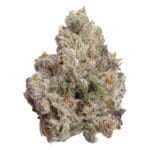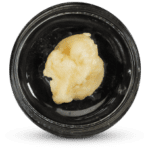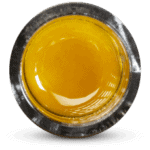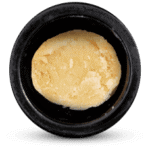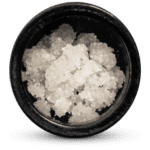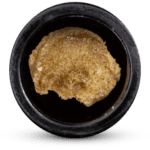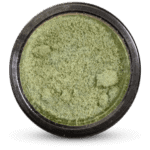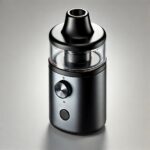
Live rosin is solventless, pressed from fresh-frozen bubble hash, and prized for flavour and purity. Live resin uses hydrocarbon solvents on that same fresh-frozen material, usually testing higher for THC and costing less. If flavour and a solvent-free process matter most to you, rosin is the pick. If you want more THC per dollar and a cart that tolerates sloppy voltage settings, resin wins.
TL;DR:
- Live rosin is more expensive because it is handcrafted in small batches, requiring skilled labor and offering lower yields compared to industrial-scale hydrocarbon extraction.
- Rosin preserves more delicate terpenes and minor cannabinoids, resulting in a flavor that closely mimics the fresh plant, while resin tends to taste louder and more uniform due to solvent extraction.
- Hydrocarbon-based live resin generally tests higher in THC percentage than rosin, but rosin may feel more intense due to its broader cannabinoid and terpene profile.
- Proper storage away from heat, light, and air is crucial for maintaining rosin’s flavor, as it is more sensitive to degradation than resin.
- Consumers should choose between rosin and resin based on their priorities for flavor versus potency and cost, verifying lab results and label details before purchase.
Table of Contents
- Live rosin vs resin: what the labels actually mean
- How they’re made: a practical step-by-step contrast
- What live rosin and live resin actually taste like
- Reading THC numbers and lab results without getting fooled
- Carts, jars, and dabbing: matching the format to your hardware
- Keeping your concentrate fresh: storage rules that actually matter
- Why rosin costs more, and when that premium is worth paying
- How to choose: a quick checklist before you buy
- What we see behind the counter
- Shop lab-tested rosin and resin with same-day delivery
- Sources
- FAQ
Live rosin vs resin: what the labels actually mean
Both concentrates start life the same way: cannabis flower gets frozen within hours of harvest, locking in terpenes that would otherwise evaporate during a slow dry and cure. From there, the paths split completely, and that split is the entire story behind live resin vs rosin.
Live rosin is made mechanically. Fresh-frozen flower gets washed in ice water to produce bubble hash, then that hash is pressed with heat and a hydraulic press, no chemical solvent involved. Live resin, on the other hand, uses hydrocarbon solvents like butane or propane to strip cannabinoids and terpenes straight off the frozen plant material.
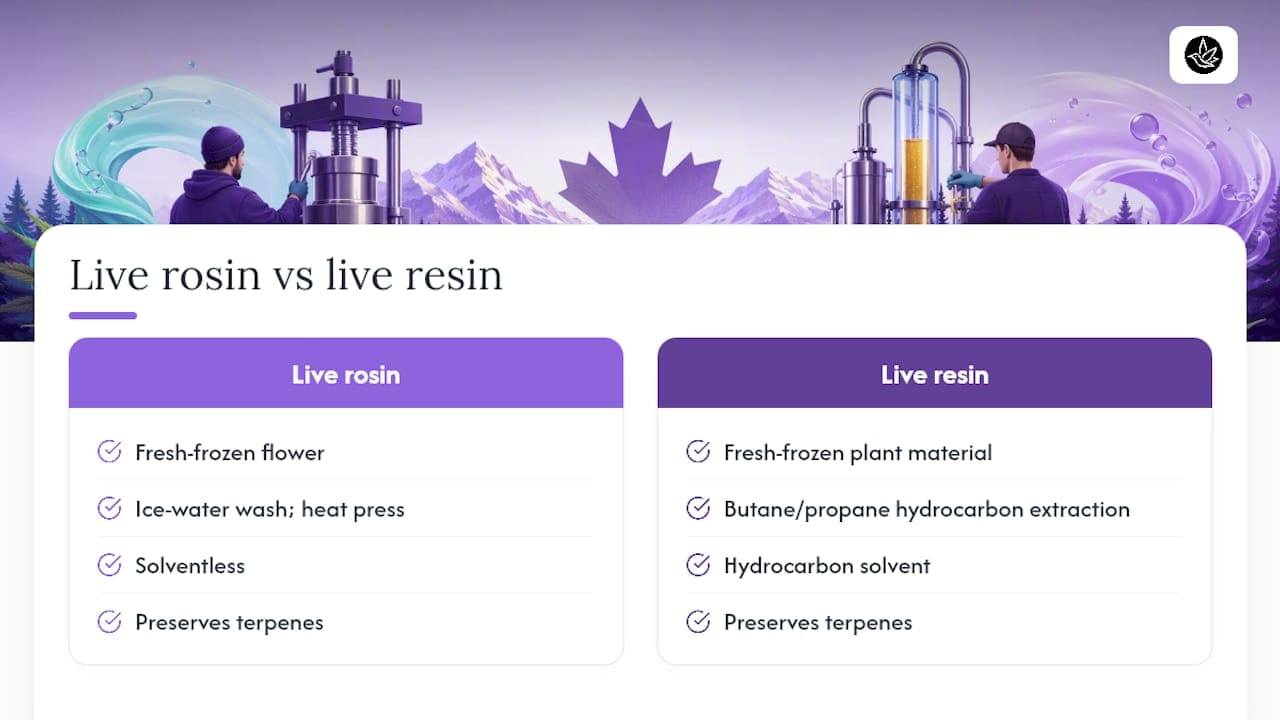
Labels matter here more than most people realize. “Rosin” without the word “live” usually means dried, cured flower got pressed instead of fresh-frozen material, and you lose a chunk of the terpene profile in that trade. Same goes for “resin”: a product just labelled resin, without “live,” may come from cured trim rather than flash-frozen plant, which changes the flavour and often the price.
In any regulated market, a legitimate concentrate should come with a certificate of analysis (COA) showing cannabinoid content and, for solvent-based products, residual solvent levels. Montrosecannabis lists lab results for its concentrates for exactly this reason. If a product doesn’t have a COA you can view, that’s a red flag regardless of which extraction method made it.
How they’re made: a practical step-by-step contrast
The production gap between these two concentrates explains almost every other difference you’ll notice on the shelf.
Live rosin follows a mechanical path:
- Flower gets frozen within hours of harvest to preserve trichomes and terpenes.
- The frozen material is washed in ice water and agitated to separate trichome heads, producing wet bubble hash.
- That hash is freeze-dried, then pressed between heated plates (typically low, controlled heat) to squeeze out the oil.
- No solvent touches the plant at any stage, which is why the process is called solventless.
Live resin follows a chemical path instead:
- Fresh-frozen material goes into a closed-loop extraction system.
- Hydrocarbon solvent runs through the plant matter, pulling cannabinoids, terpenes, and lipids into solution.
- The solvent is purged off under vacuum and heat, ideally to well below safety thresholds.
- The remaining oil is often further refined into sauce, badder, or diamonds.
Yield tells you why prices diverge. A skilled hash maker might recover a modest percentage of usable rosin from a batch of fresh-frozen flower, and the process demands hours of hands-on washing, freeze-drying, and pressing. Hydrocarbon extraction runs at industrial scale with far less manual labour per gram, which is a major reason live rosin costs more than live resin on a per-gram basis.
The residual solvent risk sits entirely on the resin side of the ledger. Reputable producers purge thoroughly and post a COA showing residual solvents below safety thresholds; skip that check and you’re trusting a process you can’t verify.
What live rosin and live resin actually taste like
Extraction method decides flavour more than strain genetics do, which surprises a lot of shoppers who assume THC percentage tells the whole story.
Rosin’s mechanical process tends to preserve fragile, heat-sensitive terpenes that solvents can strip away or the purging step can cook off. Many long-time concentrate users describe rosin as tasting closer to the living plant, rounder and more true-to-strain, even when the terpene preservation between the two methods comes down to a few degrees of heat exposure during processing. Resin, by contrast, often reads as louder and more consistent from batch to batch, since solvent extraction pulls a broader, more uniform slice of the plant’s chemistry.
Part of rosin’s “whole plant” character comes from lipids and minor cannabinoids that survive the pressing process. Hydrocarbon extraction is more selective about what it leaves behind, which can make resin taste sharper but slightly less textured on the palate.
Hardware changes everything here, too. A rosin cart run too hot will scorch its terpenes into a burnt, plasticky taste in seconds, while the same oil at the right temperature can taste remarkably close to fresh flower.
Pro Tip: If your rosin cart tastes harsh or flat, drop the voltage before you blame the product. Rosin oil is thicker and more heat-sensitive than resin, so a setting that works fine on a resin cart can scorch rosin terpenes almost instantly.
Reading THC numbers and lab results without getting fooled
Hydrocarbon extraction usually results in higher THC percentage labels than solventless rosin, influencing consumer comparisons between the two.
Statistic callout: Hydrocarbon extraction methods generally produce higher measured THC percentages than solventless pressing, while rosin retains more of the minor cannabinoids and lipids that round out the experienced effect.
That gap doesn’t mean resin automatically gets you higher. THC percentage measures one cannabinoid in isolation. It says nothing about the terpene profile, the minor cannabinoids like CBG or CBN, or the lipid content that some researchers believe contributes to a fuller, more textured effect, sometimes called the entourage effect. A rosin testing lower on paper can still feel more intense to an experienced consumer because of everything riding alongside the THC.
Before buying either format, look for two things on the COA. For live resin, check the residual solvent panel and confirm it’s below the threshold set by your local regulator. For both rosin and resin, check the terpene profile, not just total THC, since that number tells you far more about what the actual experience will feel like. Live resin’s extraction and testing process is worth reading in full if you want the deeper mechanics behind those lab numbers.
Carts, jars, and dabbing: matching the format to your hardware
Concentrates show up in more textures than most new consumers expect, and the texture usually tells you which extraction method made it.
- Sauce: a liquid terpene layer sitting over cannabinoid crystals, common in both rosin and resin.
- Badder or batter: a whipped, cake-frosting texture, especially common in cold-cured live rosin lines.
- Sugar and diamonds: crystalline structures more typical of resin, since solvent extraction lends itself to that kind of separation.
- Cartridges: both formats get loaded into 510-thread carts, but they behave very differently once heated.
Rosin oil runs thick, and that viscosity makes it temperature-sensitive inside a cartridge. The commonly recommended sweet spot for rosin cart voltage sits around 1.8 to 2.2 volts; push past that range and you risk scorched terpenes and a clogged airpath that leaves oil stuck in the cart. Resin carts are more forgiving across a wider voltage band, which is part of why casual users often find them easier to live with day to day.
If you’re shopping for a cart and want the rosin experience without babysitting a battery, look for hardware built specifically for solventless oil, like a solventless live rosin cart designed for its viscosity.
Keeping your concentrate fresh: storage rules that actually matter
Heat, light, and repeated air exposure are the three enemies of any concentrate, and rosin feels the damage faster than resin does.
Store both in airtight, opaque containers, kept cool and out of direct light. A cupboard or a small fridge dedicated to concentrates works better than a windowsill or a car glovebox, where temperature swings degrade terpenes within days. Rosin, given its more delicate lipid and terpene structure, benefits from tighter temperature control and faster consumption after purchase rather than long-term storage.
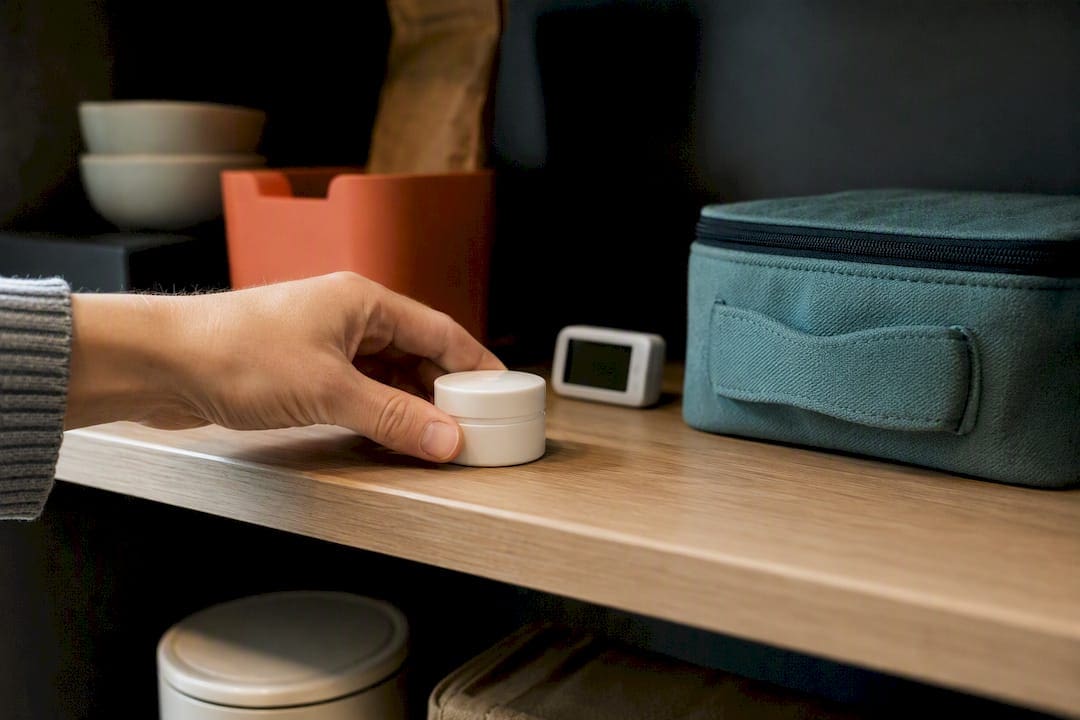
Watch for the warning signs. A jar that smells muted or slightly plasticky instead of bright and true-to-strain has already lost terpenes. Flavour that tastes flat compared to when you bought it is the concentrate telling you it’s past its best window, not a sign you got a bad batch.
Why rosin costs more, and when that premium is worth paying
The price gap between these two concentrates isn’t arbitrary. It’s a direct reflection of labour and yield.
Pressing rosin demands skilled hands at every stage: washing, freeze-drying, and pressing, all done in small batches that can’t scale the way a closed-loop hydrocarbon system can. That labour and lower yield is the main driver behind why live rosin carries a price premium over live resin almost everywhere it’s sold. Resin’s industrial-scale efficiency keeps its price down while still delivering strong potency numbers.
Spend the extra money on rosin when flavour is the whole point: a special occasion dab session, a strain you want to actually taste, or when you’re a self-described connoisseur who notices the difference. Reach for resin when you want reliable potency at a lower cost per gram, especially for daily use where you’re going through product quickly anyway. Either way, check the COA before you buy and stick to sellers who post lab results openly rather than burying them.
How to choose: a quick checklist before you buy
Match the format to your actual priorities using this order of operations:
- Decide your priority first. Flavour and a solvent-free process point you toward rosin; THC-per-dollar and easier availability point you toward resin.
- Check your hardware. If you already own a cart built for thick oil, rosin will perform well; standard carts handle resin more forgivingly.
- Think about how fast you’ll use it. Buying rosin you’ll finish within a few weeks makes more sense than letting it sit and lose terpenes.
- Confirm sensitivity to solvents. If you’d rather avoid any hydrocarbon exposure regardless of purge quality, rosin removes that question entirely.
- Read the label for the word “live.” Confirm it says live rosin or live resin specifically, not just rosin or resin.
- Pull up the COA. For resin, check residual solvents; for both, check the terpene profile alongside THC.
A weekend dabber chasing strain-true flavour is a rosin buyer. A daily user optimizing cost per session is usually better served by resin. Montrosecannabis’s own rosin versus resin explainer walks through this same logic in more detail if you want a second pass before deciding.
What we see behind the counter
Customers consistently ask us which format “hits better,” and the honest answer is that it depends on what they’re chasing. The most common hardware complaint we hear is a clogged rosin cart run at too high a voltage, almost always fixable with a lower setting. Montrosecannabis backs every purchase with a curated craft selection, one-hour delivery across our service area, and a 4.9-star Google rating built on customers getting what they actually ordered.
— Nick
Shop lab-tested rosin and resin with same-day delivery
Montrosecannabis is the alternative to guessing at a dispensary counter: every concentrate we carry comes with lab results you can actually check before you buy, and if you’re in our delivery zone, it can be at your door within the hour instead of a weekend errand. Our curated selection covers both solventless rosin and hydrocarbon-extracted resin, sourced from craft growers we vet directly rather than whatever happens to be in stock.

Browse product pages like our full-spectrum cold-cured rosin batter or a pure rosin sativa-leaning cart to see COAs and terpene profiles listed right on the page before you commit. If you’re newer to concentrates and want the potency conversation settled clearly, our guide to Canada’s THC limits and labelling rules is worth a read first. Ready to order? Check availability in your area and place your first delivery through same-day cannabis delivery in Pickering or wherever you’re located in our coverage zone.
Sources
- Live rosin carts vs live resin carts: what actually separates them | Weedmaps
- Live Resin vs Live Rosin: What’s the Difference? | This Is Why I’m High
- Live rosin vs. live resin: price, potency, and which is worth your money | Mr. Rosin Guides
FAQ
Is live resin or live rosin better?
Neither is objectively better; live rosin wins on flavour, purity, and solvent-free processing, while live resin usually wins on THC percentage and price. The right choice depends on whether you prioritize taste or potency-per-dollar.
Does rosin get you higher than resin?
Not necessarily by THC number, since resin often labels higher, but rosin’s preserved lipids and minor cannabinoids can produce a fuller effect that some users describe as more intense despite a lower percentage on the label.
Does live rosin give you a better high?
Many experienced consumers report a rounder, more “whole plant” effect from live rosin because of its preserved terpene and lipid content, though this comes down to personal chemistry and strain rather than a universal rule.
Why do people prefer live resin over live rosin?
Live resin is generally cheaper, more widely available, and tends to test higher for THC, which appeals to consumers optimizing for cost and potency rather than nuanced flavour.