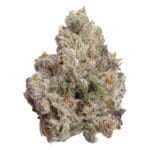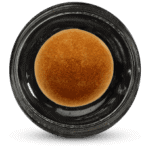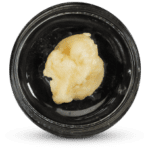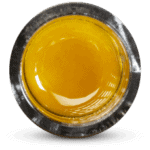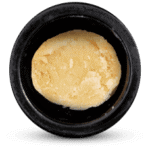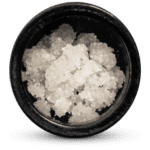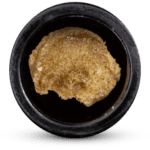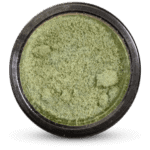
Solventless concentrates are cannabis extracts made using nothing but ice water, heat, pressure, or screens, never chemical solvents like butane or CO2. That covers kief, bubble hash, and rosin, with live rosin sitting at the top as a highly terpene rich, flavour forward version of the category. Health Canada caps every extract at 1,000 mg THC per container and requires lab testing before anything reaches a shelf.
TL;DR:
- The quality of starting material, especially for live rosin, significantly impacts flavor and potency, with fresh frozen flower offering the best terpene preservation.
- COAs and micron grades are essential for verifying product purity, freshness, and proper processing, especially for bubble hash and hash rosin.
- Proper storage in airtight glass jars, kept cool and dark, is crucial to maintain the flavor profile of solventless concentrates over time.
- Lower extraction temperatures in rosin pressing preserve terpenes, while higher heat increases yield but reduces flavor; controlled temperature is key.
- Product labeling stating “live” without detailed production notes should raise red flags, and real quality depends on lab-verified batch information.
Table of Contents
- What is a solventless concentrate guide missing? The main types explained
- How mechanical extraction methods actually work
- Live rosin vs hash rosin: which one should you actually buy?
- How to consume solventless concentrates without wasting them
- Storing solventless concentrates so they don’t lose flavour
- What to check before you buy: COAs, micron grade, and red flags
- How Montrose curates its solventless lineup
- Why starting material matters more than the label
- Ready to try solventless? Here’s where to start
- Where to check the rules yourself
- Sources
- FAQ
What is a solventless concentrate guide missing? The main types explained
Walk into any dispensary menu and you’ll see a handful of solventless names repeated over and over. They’re not interchangeable, and knowing the difference will change what you order next time.
Kief and dry sift are the simplest starting point. Kief is the powdery trichome dust that collects at the bottom of a grinder, while dry sift is the same concept scaled up, with dried flower rubbed across silk or mesh screens to separate trichome heads from plant material.
Pressed hash takes sift or kief and compacts it under pressure into a dense block. It’s the oldest concentrate on this list by centuries, and it still shows up on menus with a firm, slightly crumbly texture.
Bubble hash is made by agitating flower in ice water and filtering the runoff through a series of micron screen bags. The finest bags catch the cleanest trichome heads, and when that material melts completely under a flame with no residue left behind, producers call it “full melt.” Full melt bubble hash usually has a high THC content and has a texture somewhere between damp sand and soft clay.

Flower rosin comes from pressing cured, dried flower directly with heat and pressure, no water wash involved.
Hash rosin presses already washed bubble hash instead of raw flower, concentrating the trichomes before pressure is even applied. Live rosin is hash rosin’s premium cousin, pressed from fresh frozen plant material that skipped the drying and curing process entirely. Both hash rosin and live rosin can reach high THC potency levels, and carry the sappy, batter, or badder textures that dominate premium menus.
- Kief and dry sift: powdery, loose, lowest processing intensity
- Pressed hash: dense, crumbly blocks
- Bubble hash: sandy to clay-like, graded by micron size
- Flower rosin: sappy to waxy, pressed straight from dried bud
- Hash rosin and live rosin: sappy, batter, or crystalline, the most refined tier
How mechanical extraction methods actually work
None of these methods use a single drop of solvent. Every technique relies on temperature, water, or friction to separate trichomes from plant matter, and the equipment involved ranges from a kitchen screen to a hydraulic press that costs more than a used car.
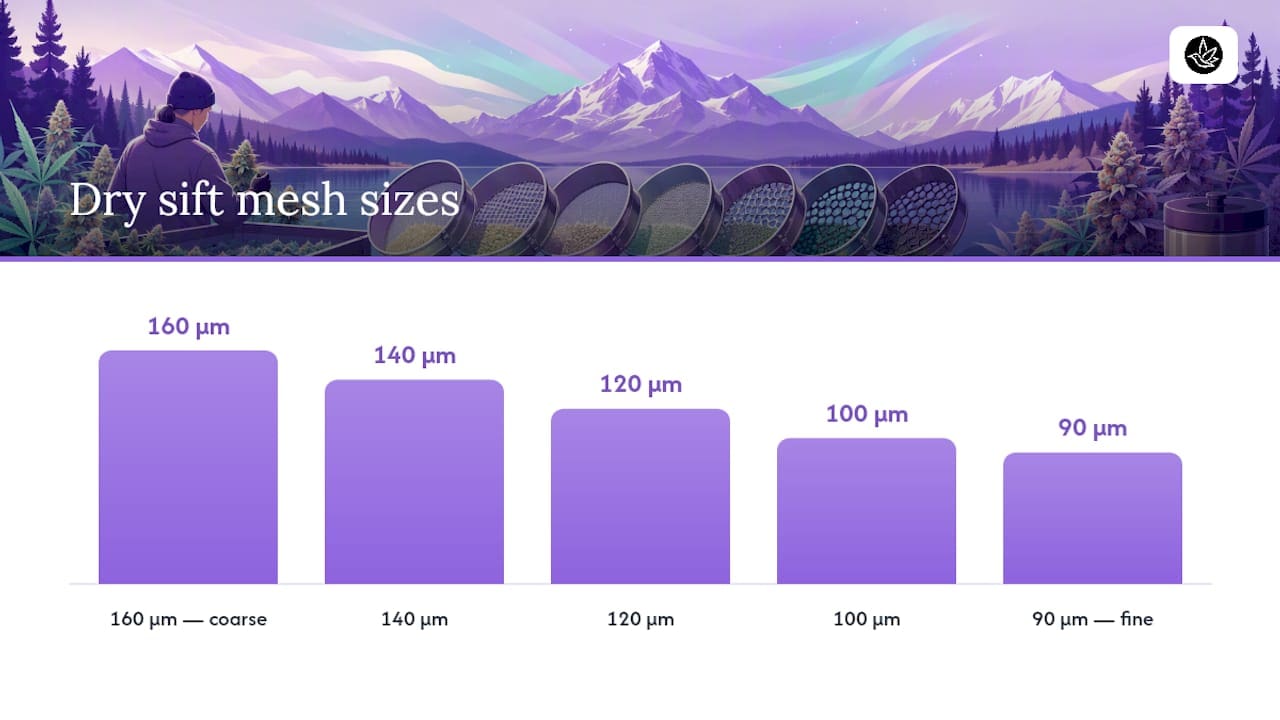
Dry sift extraction pushes dried flower across stacked screens with mesh sizes usually between 90 and 160 microns. Coarser screens pull more plant debris along with the trichomes, while finer screens produce cleaner sift but lower total yield. It’s a tradeoff every sift producer manages by hand, often running material across several screen grades in sequence to isolate the cleanest heads.
Ice water extraction, better known as bubble hash washing, submerges flower in ice water inside a washing machine or dedicated hash washer, agitating it to knock trichomes loose. The slurry then filters through a stack of micron bags, typically ranging from 25 to 220 microns, with the finest bags at the bottom catching the most valuable material. A single wash usually takes 10 to 20 minutes of agitation, and serious producers run multiple washes on the same batch to maximize extraction before the flower is spent.
Rosin pressing applies heat and pressure directly to flower or washed hash, melting trichome resin out through a mesh filter bag. Commercial rosin presses run heated plates between roughly 180 and 220°F, with pressure calibrated in tons depending on the amount of material loaded. Lower plate temperatures preserve more terpenes but may reduce yield, and dialling in that balance is the core skill separating a mediocre press from a full melt result.
- Load material into a filter bag and position it between the press plates
- Apply light pressure for a short pre-press to warm the material evenly
- Increase to full pressure for the main press, usually 30 to 90 seconds
- Collect the rosin as it bleeds through the mesh onto parchment paper
- Scrape and package once the material cools
Home producers sometimes use hair straighteners as makeshift presses, and it does work at a tiny scale. But straighteners lack consistent pressure and temperature control across the plate surface, which is exactly why commercial rosin looks and tastes more refined than a kitchen-counter batch.
Pro Tip: If you’re experimenting with a home press, keep plate temperature under 200°F and use a digital thermometer rather than trusting the dial. A few degrees too hot scorches terpenes before you even notice the smell change.
Live rosin vs hash rosin: which one should you actually buy?
The single biggest variable separating live rosin from hash rosin isn’t the pressing step. It’s what happens to the plant before that step ever begins.
Live rosin starts with fresh frozen flower, harvested and immediately frozen rather than dried and cured. That fresh frozen state locks in volatile terpenes that would otherwise evaporate during a standard multi-week cure. Live rosin production requires controlled freezing and careful processing that often takes 24 to 48 hours, a labour intensive workflow compared to pressing rosin from material that’s already dried and stable.
Hash rosin, by contrast, presses bubble hash made from cured flower. It skips the fresh frozen logistics entirely, which means faster turnaround and lower production overhead. That doesn’t automatically make it the lesser product. Starting material quality and processing skill tend to matter more for real world potency and flavour than the “live” label alone.
The most refined tier within this category is live hash rosin, made by washing fresh frozen material into bubble hash first, then pressing only the finest fractions, often in the 73 to 90 micron range, for the most concentrated full melt result. That extra step is why live hash rosin commands the highest price on most menus.
- Live rosin: fresh frozen starting material, most volatile terpenes preserved, needs cold storage
- Hash rosin: cured starting material, more shelf stable, faster to produce
- Live hash rosin: fresh frozen plus fine micron washing, the most refined and expensive tier
What the terpene difference actually means: Fresh freezing before extraction is the mechanical reason live rosin smells and tastes noticeably different from cured hash rosin on the same strain. It’s not a marketing distinction, it’s a preservation timeline.
When you’re shopping, check the label for actual production notes, not just the word “live.” A vague claim with no batch or process detail is a signal to keep looking. Montrosecannabis lists live rosin and hash rosin side by side with storage and hardware notes so you can compare before you commit to a jar.
How to consume solventless concentrates without wasting them
Getting the method right matters almost as much as picking the right product. A great batch of rosin can still taste burnt and harsh if it’s used in the wrong device or at the wrong temperature.
- Dabbing: Use a dab rig with a quartz or titanium nail, or an e-nail for consistent temperature control. Lower temperature dabs, roughly 450 to 550°F at the nail surface, preserve terpene flavour far better than a torch-hot nail.
- Vape cartridges: Solventless live rosin carts are built for standard 510 threaded batteries, and most perform best on lower voltage or temperature settings rather than the highest output the battery offers.
- Mixing into edibles or topicals: Rosin can be decarboxylated and infused into oils or butter at home, but store bought infused products must follow Health Canada’s labelled discrete unit limits, meaning no more than 10 mg THC per unit for ingestible products.
Dosing solventless concentrates is not the same math as flower. THC percentage alone doesn’t tell you how a specific dab will hit, because heat converts THCA into active THC at different rates depending on temperature and dab size.
Overheating any concentrate risks producing harmful aerosol byproducts, which is one more reason lower, controlled temperatures beat cranking the torch. If you’re new to dosing edibles specifically, Montrosecannabis breaks down safe starting doses for infused products in more detail.
Storing solventless concentrates so they don’t lose flavour
Live rosin and cured hash rosin need different storage habits, and mixing them up is the fastest way to waste a good jar. Live rosin’s higher moisture and terpene content means it needs refrigeration around 2 to 4°C, while cured hash rosin holds up fine at cool room temperature or standard fridge settings.
- Keep concentrates in airtight glass jars with minimal empty headspace
- Store live rosin refrigerated; store cured rosin and hash somewhere cool, dark, and dry
- Avoid repeated temperature swings, pulling a jar in and out of the fridge speeds up terpene loss more than steady cold storage does
- Keep containers away from direct light to slow oxidation
The regulatory floor: Health Canada caps every extract product at 1,000 mg THC per immediate container, and ingestible discrete units can’t exceed 10 mg THC each. Every licensed product also has to pass contaminant screening before it’s legally sold.
Montrosecannabis has a full breakdown of Canadian THC limits and label rules if you want the complete regulatory picture beyond storage.
What to check before you buy: COAs, micron grade, and red flags
A Certificate of Analysis, or COA, is the single most useful document a solventless product can come with. It should list cannabinoid percentages, a terpene profile, and results from contaminant screening for heavy metals, pesticides, and microbials. Producers operating under Health Canada’s good production practices run standard testing protocols on every batch, so a legitimate product should have this on file even if it’s not printed on the package itself.
For bubble hash specifically, micron grade tells you what you’re actually getting. Material pressed from 73 to 90 micron bags is generally considered the cleanest, full melt tier, while lower grade material below that range often carries more plant contamination and melts less cleanly.
- Confirm a COA exists and check that the testing lab is named, not just a logo
- Look for micron grade on bubble hash and hash rosin listings
- Check for a production or packaging date, fresher batches hold terpenes better
- Treat a vague “live” claim with no fresh frozen or process detail as a warning sign
- Avoid products with no batch number at all
Pro Tip: If a listing shows a terpene percentage but no matching COA link, ask before you buy. A real lab result is checkable; a printed percentage on its own isn’t. Montrosecannabis’s guide to reading cannabis product labels walks through exactly what compliant labelling should include.
How Montrose curates its solventless lineup
Some retailers stock solventless products from established growers and processors, emphasizing batches with real testing paperwork rather than bare claims. That curated approach can extend to quick product delivery in local regions for customers who prefer faster service.
Product pages spell out what tier you’re buying, whether that’s a solventless live rosin cartridge or a cold cured live rosin batter, alongside educational breakdowns like the rosin versus resin comparison built for shoppers who want to understand what they’re getting before checkout.
Why starting material matters more than the label
The most overlooked part of this whole category is how much starting material decides the outcome before pressing even begins. Fresh frozen flower gives live rosin its edge, but that edge disappears fast if the freeze wasn’t handled properly or the flower sat too long before it hit the freezer. A cured flower rosin from exceptional bud can beat a sloppy live rosin from mediocre trim, every time.
Conventional advice treats “live” as a quality guarantee. It isn’t. It’s a production method, and production methods only matter as much as the skill and material behind them. What I’d tell any reader shopping this category for the first time: stop chasing the word “live” and start reading the COA. Check the micron grade, check the terpene percentage, check whether the batch has a real testing lab attached to it.
Canadian regulation gives you a safety floor, not a quality guarantee. Health Canada’s 1,000 mg container cap and contaminant testing rules keep unsafe product off shelves, but they don’t tell you whether a jar tastes like the strain it claims to be. That’s still on you to check.
— Nick
Ready to try solventless? Here’s where to start
Some retailers carry a curated rotation of solventless products, including flower rosin and live hash rosin cartridges, sourced from growers who back their batches with real lab testing rather than marketing language. In certain local regions, curated selections may arrive quickly to customers.

Fresh material matters more in this category than almost any other concentrate type, which is why Montrosecannabis also runs same-day fresh harvest offerings for customers who want the newest batches available rather than whatever’s been sitting on a shelf the longest. Browse the current solventless lineup, check the COA on any listing that catches your eye, and place an order when you find a batch that matches what you’re actually looking for.
Where to check the rules yourself
- Cannabis Regulations, container THC limits
- Health Canada composition requirements
- Good production practices guide
Sources
- Cannabis Regulations (SOR/2018-144) — Government of Canada
- Guide on composition requirements for cannabis products — Health Canada
- Good production practices guide for cannabis — Health Canada
- Live rosin vs hash rosin — Resin Manual
FAQ
Are solventless concentrates better than solvent-based extracts?
Neither is universally better. Solventless products avoid residual chemical solvents entirely, while solvent-based extracts like BHO can achieve very high purity when properly purged; the right choice depends on your priority between process transparency and yield efficiency.
Are solventless edibles more potent than smoked concentrates?
Potency depends on dose and conversion, not extraction method. Edibles made from solventless rosin follow the same THCA to THC conversion during decarboxylation as any other cannabis extract, and Health Canada limits ingestible discrete units to 10 mg THC each regardless of the source concentrate.
Which concentrates are actually solventless?
Kief, dry sift, pressed hash, bubble hash, flower rosin, hash rosin, and live rosin are all solventless, made using only water, heat, pressure, or mechanical agitation.