A 4-piece anodized aluminum grinder with diamond-cut teeth and a built-in kief catcher is the best all-around pick for most cannabis consumers. If you’re packing light for travel, a simple 2-piece metal grinder does the job with zero fuss. If kief collection is your main goal, step up to a 5-piece design with a fine mesh screen. Material, tooth shape, and piece count all work together to determine how well your grinder actually performs.
TL;DR:
- A 4-piece anodized aluminum grinder with diamond-cut teeth and a kief catcher offers the best balance of performance and durability for most regular users.
- Larger sizes, such as 63 mm or more, are ideal for group sessions and bulk preparation, while smaller travel grinders prioritize portability and convenience.
- Anodized aluminum remains the top material choice for resistance to resin buildup and teeth longevity, with stainless steel or titanium options being more durable but costlier.
- Diamond-cut teeth provide more even grinding and longer-lasting sharpness compared to peg or blade styles, especially in sticky, resin-heavy flower.
- Manual grinders excel in control, longevity, and cost, making them preferable for daily use unless you need fast, effortless prep or have limited hand strength.
Table of Contents
- What are the different types of cannabis grinders by piece count?
- Which grinder material and tooth design actually work best?
- What size grinder should you buy?
- How do kief catchers and screens actually work?
- Should you choose an electric or manual grinder?
- How to pick the right cannabis grinder for you
- Cleaning and maintenance that actually extend a grinder’s life
- What Montrosecannabis knows about grinders and getting them fast
- Do sticky strains and dry buds need different grinders?
- An honest take on grinder shopping
- Where to find grinders and storage that fit your setup
- Sources
- FAQ
What are the different types of cannabis grinders by piece count?
Piece count is the first decision that shapes everything else about how a grinder behaves. Each added chamber gives the grinder a new job to do, but it also adds bulk, weight, and cleaning surfaces. Here’s what each configuration actually does.
2-piece grinders are the simplest design: a lid with teeth and a base chamber, nothing else. You twist, grind, and dump the ground flower straight into your paper or bowl. There’s no kief screen, no storage compartment, and no extra parts to lose. This makes 2-piece grinders the go-to choice for travellers, festival-goers, and anyone who wants something they can toss in a jacket pocket without worrying about a stray screen falling out.
3-piece grinders add a middle chamber below the grinding teeth, so ground flower collects in a separate compartment instead of sitting exposed on the teeth. That’s a real upgrade for anyone rolling joints on the move, since you get a small storage reservoir without the added complexity of a kief screen underneath.
4-piece grinders are where most serious cannabis users land. They add a fine mesh screen between the collection chamber and a bottom compartment, so trichomes sift through and collect separately from your ground flower. According to The Purple Leaf’s grinder guide, this configuration adds a pollen screen and kief catcher that makes it the preferred daily driver for many users, and it’s easy to see why: you get consistent grinding, clean storage, and a kief supply building up passively.
5-piece grinders go one step further with an additional screen layer, letting you separate coarser kief from finer, more potent kief. That’s a niche feature, honestly, useful mainly for people who process their own concentrates or want graded kief for pressing.
Sizing tends to track with piece count. A 2-piece travel grinder usually runs smaller in diameter since portability is the priority, while 4-piece and 5-piece models trend larger to accommodate the extra chambers and a workable grinding surface.
- 2-piece: Simple, portable, no kief function. Best for travel and quick sessions.
- 3-piece: Adds a storage chamber. Good middle ground for joint rollers who want flower ready to go.
- 4-piece: Adds a screen and kief catcher. Best daily driver for most regular users.
- 5-piece: Adds a second screen for graded kief. Best for concentrate makers and heavy kief collectors.
Which grinder material and tooth design actually work best?
Material choice determines whether your grinder survives contact with sticky, high-terpene flower or gums up after a few sessions. Not all metals are created equal here, and the cheap options tend to show their weaknesses fast.
Anodized aluminum remains the most recommended material because it strikes the best balance of weight, corrosion resistance, cost, and tooth longevity, according to Tahoe Grinder Company’s materials breakdown. It resists the resin buildup that plagues softer metals and holds its teeth sharp far longer than budget alternatives.
Stainless steel and titanium cost more but last longer and resist scratching and corrosion even better than aluminum. Tahoe Grinder Company notes that these premium metals mostly earn their price through durability and collectability rather than a dramatic jump in day-to-day grinding performance. If you’re the type who keeps gear for a decade, that trade-off might be worth it. If you replace grinders every couple of years anyway, aluminum gets you 90% of the benefit for a fraction of the cost.
Zinc alloy and acrylic show up constantly in budget grinders under $15, and RootsGlass’s herb grinder guide points out that these materials often come with weaker teeth or parts that wear out fast. Mid-range anodized aluminum in the $25 to $40 range is the real value sweet spot.
Wood and hemp composite grinders trade durability for aesthetics and a more natural feel. They’re fine for occasional use but tend to wear faster than metal, especially around the teeth.
Tooth geometry matters just as much as the metal underneath it. Diamond-cut teeth are sharper, more numerous, and shaped to shear flower evenly rather than tear it. RootsGlass’s guide confirms that diamond-cut teeth produce a more even, consistent grind and hold their edge longer than peg or blade-style teeth, which translates directly into better joint burns and more even vaporizer packing.
By the numbers: Mid-range anodized aluminum grinders in the $25 to $40 range hit the value sweet spot, according to RootsGlass, while sub-$15 zinc alloy and acrylic options frequently ship with teeth that dull or break down quickly.
- Anodized aluminum: Best all-around balance of durability, weight, and price.
- Stainless steel/titanium: Longer-lasting and more resistant to wear, at a premium price.
- Zinc alloy/acrylic: Common in cheap grinders, but teeth wear out faster.
- Wood/hemp composite: Good for occasional use, less durable long-term.
What size grinder should you buy?
Diameter drives how a grinder feels in your hand and how well it fits your typical session, so match it to how you actually smoke rather than buying the biggest one on the shelf.
Pocket size (40–50 mm) grinders disappear into a jacket or bag without a bulge. They’re built for solo sessions or travel, though you’ll be reloading more often if you’re grinding for a group.
Everyday size (50–63 mm) is the sweet spot for most home use. You get enough surface area to grind a full bowl or a couple of joints’ worth in one go, without the grinder becoming awkward to hold or store.
Large (63–80+ mm) grinders exist for group sessions, shared households, or anyone prepping flower in bulk. More surface area means faster grinding and less repetitive twisting, but you’re trading that for pocket space and a heavier piece of gear.
Bigger diameters also spread flower across more teeth, which tends to produce a faster, more even grind with less effort per twist. Smaller grinders can feel gritty on the twist and take more passes to break down the same amount of flower.
Portability features matter beyond raw size, too:
- Magnetic lids keep the grinder sealed shut in a bag without popping open and spilling flower everywhere.
- Compact 2-piece builds shave weight and thickness for pocket carry.
- Secure metal threading prevents cross-threading and stripped grooves, which is a common failure point on cheaper grinders after repeated use.
How do kief catchers and screens actually work?
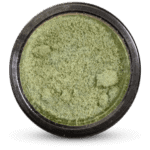
A kief catcher is a fine mesh screen sitting below the grinding chamber that lets trichomes, the tiny resin glands packed with cannabinoids and terpenes, fall through while keeping ground flower above it. Over repeated grinding sessions, that sifted powder builds into a genuinely useful stash of concentrated kief.
Screen micron sizing determines what gets through. Finer mesh captures purer, more potent kief but sifts more slowly; coarser mesh moves faster but lets more plant material through with it. The Purple Leaf notes that screen quality and micron size directly determine kief yield and purity, and that regular cleaning keeps extraction consistent over time.
Not everyone needs this feature. Daily users and anyone who eventually wants to press kief into hash see a clear payoff, since the catcher does the work passively every time they grind. Occasional smokers often find the extra cleaning burden isn’t worth it for a chamber that barely fills up. If kief building sounds appealing, a page like Montrosecannabis’s tumble kief product listing shows what a finished, pressed product looks like once you’ve collected enough.
- Fine mesh: Higher purity, slower collection. Best for concentrate makers.
- Coarse mesh: Faster collection, more plant matter mixed in.
- Maintenance: Brush the screen gently after each use; avoid poking holes with sharp tools.
- Alternative: A separate pollen press or sifter box works if your grinder skips the built-in catcher.
Should you choose an electric or manual grinder?
Electric grinders solve a real accessibility problem. For anyone with limited hand strength, arthritis, or a large batch of flower to prep for a group, a powered grinder does in seconds what a manual twist takes minutes to finish. DankStop’s grinder guide notes that electric models are genuinely useful for accessibility and speed, but they come with trade-offs: batteries need charging, moving parts add cleaning complexity, and the motor noise isn’t exactly discreet.
Manual grinders win on control, durability, and price. There’s no battery to die mid-session, no motor to burn out, and you decide exactly how fine or coarse the grind ends up by how long you twist. For most home sessions, a manual grinder is simply the more reliable long-term tool.
- Choose electric if: You have limited hand strength, prep for large groups, or want speed over stealth.
- Choose manual if: You want durability, lower cost, and full control over grind texture.
- Consider stealth: Manual grinders make no noise, which matters in shared or public spaces.
How to pick the right cannabis grinder for you
Work through this checklist in order, and you’ll land on the right grinder without second-guessing the purchase afterward.
- Identify your consumption method first. Joints and blunts tolerate a coarser grind, while vaporizers and bowls perform best with a fine, even grind from diamond-cut teeth.
- Estimate your typical session size. Solo smokers can stick with a compact everyday-size grinder; group sessions call for a larger diameter to cut down on reloading.
- Decide if kief matters to you. If you want a growing kief stash for future use, prioritize a 4-piece or 5-piece design with a quality screen.
- Weigh portability against features. Travellers should lean toward a 2-piece or 3-piece in the pocket size range; home users can go bigger.
- Set a budget and match it to material. Aim for anodized aluminum in the $25 to $40 range unless you specifically want the extra durability of stainless or titanium.
- Check tooth design before buying. Diamond-cut teeth outperform peg or blade styles for consistency and longevity.
- Confirm screen specs if kief matters. A listing that doesn’t mention micron size or mesh material is a red flag.
- Check the warranty or return policy. A grinder maker confident in their threading and teeth usually backs it with some kind of guarantee.
Watch for a few warning signs before you buy: zinc alloy sold at aluminum prices, plastic teeth on anything marketed as a “premium” grinder, loose or gritty threading when you twist the pieces together, and product pages that skip screen specs entirely. If a seller can’t tell you the tooth material or screen micron size, that’s usually because the answer isn’t flattering.
Pro Tip: If your grind feels too coarse, flip the grinder upside down and give it a few extra twists before turning it back over. Gravity keeps the flower against the teeth longer, so you get a finer, more even grind without buying a different grinder.
Cleaning and maintenance that actually extend a grinder’s life
A quick brush after every session keeps resin from building up on the teeth and screen, and it takes about fifteen seconds with the small brush most grinders ship with. For a deeper clean on metal grinders, take the pieces apart and soak them in isopropyl alcohol for 20 to 30 minutes, then scrub gently and let everything dry completely before reassembling. Acrylic and wood grinders shouldn’t touch isopropyl. A soft brush and warm water handle those materials without damaging the finish.

Clogged screens are usually a resin problem, not a design flaw. Soak the screen separately, brush along the mesh lines rather than scrubbing across them, and replace it if the holes start tearing or the mesh warps.
Store your grinder somewhere dry, away from direct sunlight, and avoid switching strains without a quick clean in between. Leftover resin from a previous strain will bleed its terpene profile into your next grind, which dulls the flavour of whatever you loaded next.
- After every session: Brush loose resin off teeth and screen.
- Weekly or biweekly: Isopropyl soak for metal grinders, warm water for wood or acrylic.
- Screen care: Brush along mesh lines, replace if torn or warped.
- Between strains: Wipe down to avoid terpene carryover.
Pro Tip: Freeze a metal grinder for ten minutes before cleaning. Cold resin turns brittle and flakes off far more easily than sticky, room-temperature buildup.
What Montrosecannabis knows about grinders and getting them fast
Choosing the right grinder is only half the equation. Getting one when you actually need it is the other half, and that’s where a curated accessory selection paired with fast delivery makes a real difference. Montrosecannabis carries a range of grinder and storage combos, so you’re not stuck comparing a dozen third-party listings with inconsistent specs.
Before buying anywhere, check the material and screen micron details on the product page directly. A listing that’s vague on tooth design or screen mesh is worth skipping regardless of price. For readers in Durham Region or the GTA, A fast local delivery service means a grinder and a fresh eighth can show up together, which beats waiting days for a mail-order accessory to arrive separately from your flower. For a closer look at what pairs well with a new grinder, the grinder storage combo listing shows a practical example of the format.
Do sticky strains and dry buds need different grinders?
Sticky, high-terpene strains and dry, crumbly buds put very different demands on a grinder, and picking the wrong tool for the flower in front of you leads to clogged teeth or a messy, uneven grind either way.
Sticky, resin-heavy buds gum up peg and blade teeth fast, since the resin coats flat surfaces and reduces cutting efficiency with every grind. Diamond-cut teeth handle sticky flower far better because their angled facets shear through resin-coated buds instead of just mashing them. A 4-piece grinder with a screen also helps here, since sticky flower sheds extra trichomes onto the screen during grinding, adding to your kief supply almost as a side effect.
Dry, crumbly buds grind easily in almost any tooth design, but they tend to produce more fine dust that can slip past a coarse screen or clog a fine one faster than sticky flower does. A 2-piece or 3-piece grinder often suits dry flower fine, since there’s less resin to manage and less need for a dedicated kief chamber.
If you regularly switch between sticky craft flower and drier, more brittle strains, a mid-range anodized aluminum 4-piece with diamond teeth handles both without much compromise. The screen catches extra resin from sticky strains, and the sharp teeth still cut cleanly through drier bud without extra passes.
An honest take on grinder shopping
Most people overspend on piece count and underspend on tooth quality. My daily pick is a 4-piece anodized aluminum grinder with diamond teeth. For travel, I switch to a basic 2-piece metal grinder that fits in any pocket. The one habit that’s saved me more grinders than anything else: brushing the teeth after every session instead of letting resin build up for a week. Titanium or stainless is worth the extra money only if you genuinely plan to keep the same grinder for years rather than replacing it on a whim.
— Nick
Where to find grinders and storage that fit your setup
If you’ve read this far, you already know a 4-piece anodized aluminum grinder with diamond teeth and a kief catcher covers most situations well. The next step is finding one with specs you can actually verify.

Montrosecannabis stocks a curated lineup of grinders and storage combos alongside its craft flower selection, so you’re buying gear that’s already been vetted rather than gambling on a random online listing. The RAW black 4-piece clear view grinder is a solid example of the format this guide recommends: four chambers, a viewing window, and a kief screen in one compact unit. Before adding anything to your cart, double check the material and screen micron listed on the product page, since those two details tell you more about long-term performance than the price tag does.
Fast local delivery means your new grinder can arrive the same day as your flower order, no separate shipping wait required. Browse the current accessories and grinder combos available now and pair your pick with a fresh strain for your next session.
Sources
For deeper reading on grinder materials, DankStop’s herb grinder guide covers piece counts and buying criteria in detail. Tahoe Grinder Company’s materials comparison breaks down aluminum versus stainless versus titanium. For a broader look at accessory buying considerations including teeth design and portability, 3xfiltré’s CBD flower guide offers a useful outside perspective.
- Herb Grinder Guide: Everything You Need to Choose the Right One | DankStop
- Herb Grinder Guide: Types, Materials & How to Use | RootsGlass
- Best Weed Grinder Materials of 2026: Aluminum vs Stainless vs Everything Else | Tahoe Grinder Company
- A 2026 Guide to Choosing the Right Cannabis Grinder | The Purple Leaf
FAQ
What are the three main types of grinders?
The three most common types by piece count are 2-piece, 3-piece, and 4-piece grinders, each adding a new function as the piece count increases. A 2-piece is a simple lid-and-chamber design, a 3-piece adds a storage compartment, and a 4-piece adds a screen and kief catcher.
What are the different types of grinders overall?
Grinders vary by piece count (2 through 5-piece), material (anodized aluminum, stainless steel, titanium, zinc alloy, acrylic, wood or hemp composite), and power source (manual or electric). Tooth design, either diamond-cut or peg-and-blade style, is another major variation that affects grind quality.
What are the four types of grinding machines?
For cannabis specifically, the four common configurations are 2-piece, 3-piece, 4-piece, and 5-piece grinders, distinguished mainly by whether they include a storage chamber, a kief screen, or multiple screens for graded kief separation.
What is the best grinder size for daily use?
An everyday diameter between 50 and 63 mm suits most daily users, offering enough surface area for a full session without becoming bulky to store or carry. Solo smokers can go smaller, while anyone grinding for a group benefits from sizing up toward 63 mm or larger.
Is an electric or manual grinder better for daily use?
Manual grinders offer better durability, lower cost, and more control over grind texture for most daily users. Electric grinders make more sense for anyone with limited hand strength or who regularly preps large batches of flower at once, according to DankStop’s grinder guide.