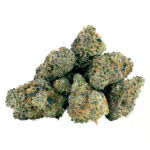
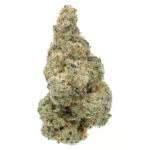
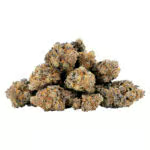
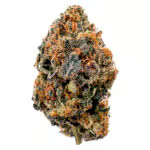
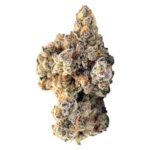
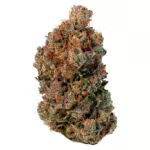
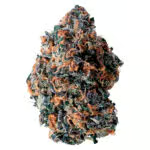
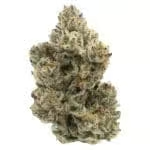
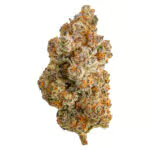
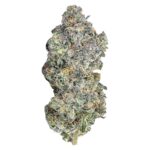
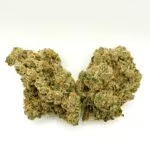
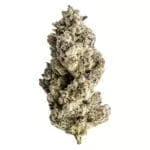
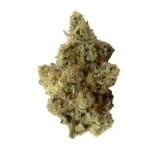
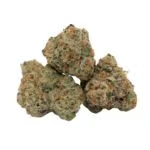
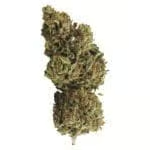
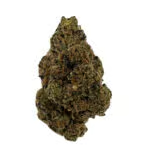
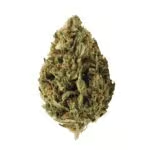
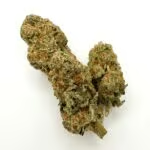
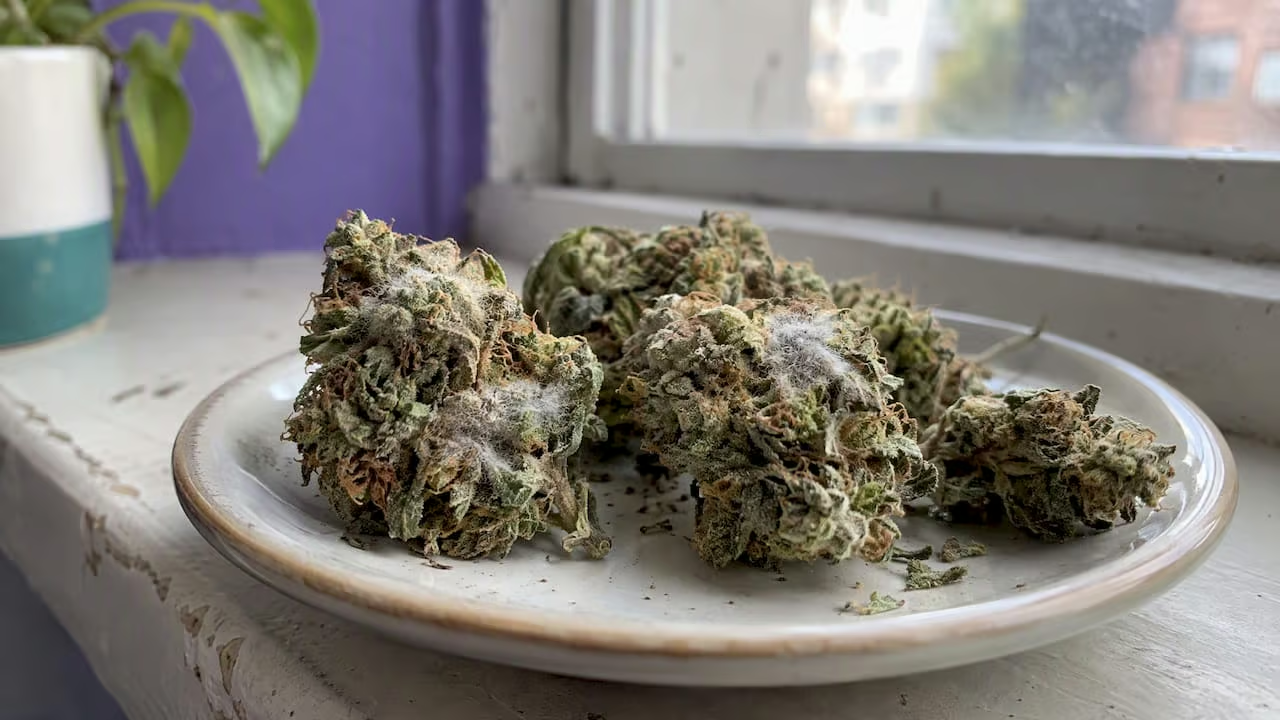
Moldy weed usually shows up as a grayish-white, powdery or fuzzy coating, a musty or hay-like smell, and buds that feel damp or crumble into dust in a strange way. If you see or smell any of that, don’t smoke, vape or cook with it. Cutting off the “bad” part doesn’t make the rest safe. Below we walk you through what to look for, how to tell mold from trichomes, what to do next, and how to buy and store flower so you rarely have to ask the question.
TL;DR
- Look: white, gray or dark fuzzy patches, a dusty film, or web-like strands. Trichomes look like tiny sparkly crystals and feel sticky, not powdery.
- Smell: musty, mildewy, hay-like or like wet earth, instead of the normal terpene aroma.
- Act: if you think it’s moldy, toss it or return it to the store. Don’t trim and smoke the rest.
- Prevent: buy licensed, tested product, check the lot number, and store flower cool, dark and dry.
- Health: if you feel unwell after using cannabis you suspect was moldy, talk to a healthcare professional.
Table of Contents
- Why mold on cannabis matters
- The signs of moldy weed, one sense at a time
- Mold or trichomes? How to tell
- What to do if you think your weed is moldy
- Health effects and when to see a professional
- Why legal, tested cannabis lowers the risk
- How to buy flower you can trust
- How to store cannabis so mold doesn’t start
- Perspective: what we tell our customers
- Shop fresh flower with delivery you can count on
- FAQ
- Sources
Why mold on cannabis matters
Cannabis is a plant, and like any dried plant material it can grow mold if it’s harvested, dried or stored with too much moisture. Two types come up most often: grey mold (botrytis, also called bud rot) and white powdery mildew. Both can start before you ever see the bud, which is why licensed producers dry and cure carefully and why the legal market tests for it.
In Canada, cannabis is tested for total yeast and mold before sale, with a limit of 50,000 cfu/g. Research on Canadian-grown flower found that fans during maturation, hang-drying whole stems and drying buds to 12 to 14% moisture or lower significantly reduced yeast and mold levels. That tells you something useful as a consumer: moisture is the enemy, both at the grower and in your own cupboard.
Mold is not just a quality issue. Mould exposure may cause temporary minor effects such as sneezing, coughing, wheezing, watery or itchy eyes, a runny nose or congestion. Smoking or vaping puts the material straight into your lungs, so it’s worth being strict.
The signs of moldy weed, one sense at a time
No single sign is perfect. Check all of them, in good light, before you decide.
What it looks like
Start with your eyes. Put the bud under bright light, or use your phone’s flashlight, and look at the surface and at the inside of the bud when you break it apart.
- Grayish-white coating. Moldy cannabis usually has a grayish-white powdery coating. It can look like a thin film of flour or dust that wasn’t there on the day you bought it.
- Fuzzy or web-like patches. Mold can look cottony, fuzzy or like fine cobwebs between the petals of the bud.
- Dark spots. Black, dark green, brown or yellow patches that don’t match the rest of the bud are a red flag.
- Discolored, dull bud. Healthy flower has colour that fits its strain, such as greens, purples and orange pistils. A bud that’s gone gray or dingy in spots is worth a second look.
- A gray, dry centre. When you break the bud open, a light-gray, cotton-like core is a classic sign of bud rot that began on the inside.
- Brown, brittle stems. Stems that are dark and fragile can point to moisture trouble.
What it smells like
Good cannabis smells like its terpenes: citrus, pine, fuel, sweet berry, earthy spice. Mold covers that up. Moldy weed tends to smell musty or mildewy, or like hay, and some people describe it as wet earth, a damp basement or even ammonia. If you open the jar and your first thought is “wet laundry,” trust it.
Curious why strains smell so different in the first place? We break down the science behind cannabis aroma, which helps you know what “normal” smells like for the product you bought.
What it feels like
- Damp or spongy. Properly dried flower should feel dry on the outside, with a slight spring when you squeeze it. If it feels wet, clammy or squishy, moisture is present.
- Too brittle, too fast. Flower that turns to dust right away has simply dried out. That’s a quality problem, not mold. The worrying texture is a mix: damp in places, powdery in others.
- Sticky versus powdery. Trichomes are sticky. Mold coating is dry, powdery or fuzzy. More on that next.
What it does when you use it
This is the last check and the one you shouldn’t rely on. If a joint tastes harsh, musty or like something burning that isn’t plant, stop. Coughing fits, a scratchy throat or watery eyes right after a session can be a sign something is off with the material. Don’t push through to see if it gets better.
Mold or trichomes? How to tell
This is the most common mix-up, and it’s why so many people search “is my weed moldy.” Trichomes are the tiny resin glands on the bud. They hold much of the cannabinoids and terpenes, and they’re supposed to be there.
| Feature | Trichomes (normal) | Mold (not normal) |
|---|---|---|
| Look | Glittery, crystal-like, tiny mushroom-shaped heads | Dull white or gray, powdery, fuzzy or web-like |
| Spread | Evenly across buds and sugar leaves | Patches, often starting inside the bud or between petals |
| Feel | Sticky, resinous | Dry and dusty, or damp and cottony |
| Smell | Strong, strain-specific aroma | Musty, mildewy, hay-like, wet earth |
| When rubbed | Sticks to your fingers | Smears into powder or spores |
A Canadian mold specialist describes trichomes as sticky, crystalline structures with a glassy, mushroom-like look, while mold is powdery or fuzzy and can smell like wet earth that masks the cannabis aroma.
A quick home test: look at the bud with a magnifying glass or the zoom on your phone camera. Trichomes show up as individual glassy stalks with round heads. Mold looks like a tangle of threads or a flat dusty layer. If you still can’t tell, go by smell and feel, and when in doubt, don’t use it.

What to do if you think your weed is moldy
- Stop using it. Don’t smoke, vape, dab or bake with it.
- Don’t cut off the bad bit. Healthline advises against smoking moldy cannabis and says trimming off the visible mold and using the rest isn’t a good idea. Mold can spread past what you can see.
- Take photos. Capture the bud, the jar and the label, especially the lot number. If you bought it from a licensed seller, the lot number is how the product gets traced. Here’s how to read a cannabis lot number.
- Contact the store. If the bud was moldy when you bought it or soon after, tell the retailer. Our guide to returning cannabis in Ontario explains the steps.
- Dispose of it safely. If you aren’t returning it, throw it out where children, youth and pets can’t reach it.
- Check for recalls. Health Canada posts cannabis recalls, and we explain how they work in our Ontario cannabis recall guide.
What a real recall looks like
This does happen on the legal market, and it’s handled in the open. In 2025, Health Canada published a recall of a cannabis product that may contain mould, sold through authorized retailers in Ontario and Alberta. The advice was to stop using it and either return it to the store or dispose of it safely, away from children and youth. Another recall that year covered one lot of dried flower sold in Ontario, and it told consumers to verify the lot and contact the store to return affected product.
The point isn’t that legal cannabis is risky. It’s that licensed products carry lot numbers, can be traced and can be pulled. Illegal product can’t.
Health effects and when to see a professional
Most people who breathe in a bit of mold notice something mild: sneezing, coughing, wheezing, a stuffy nose or itchy, watery eyes. Health Canada notes that how much risk you face depends on how much mould there is, how long it has been present, and your own susceptibility and health. Groups at greater risk include infants, children, seniors, pregnant people and people with respiratory conditions such as asthma. Healthline adds that people with a mold allergy, weakened immunity or lung conditions face greater risks from moldy cannabis.
If you have asthma, a lung condition or an immune condition, or if you’re pregnant, be extra strict about checking flower, and talk to your doctor or pharmacist about cannabis use in general.
If you feel unwell after using cannabis you suspect was moldy, especially with trouble breathing, chest pain, fever or symptoms that don’t clear up, speak with a healthcare professional. Health Canada advises that any health concern you think is related to mould exposure should be discussed with a healthcare professional, who can work out whether symptoms are linked to environmental factors. Bring the product, the packaging and the lot number if you can. If you have severe trouble breathing, call 911.
A question we hear a lot is how long mold “stays in your system.” That depends on what you were exposed to, how much, and your own health, so we won’t guess. A doctor is the right person to ask, and the sooner you bring up your symptoms, the better.
Why legal, tested cannabis lowers the risk
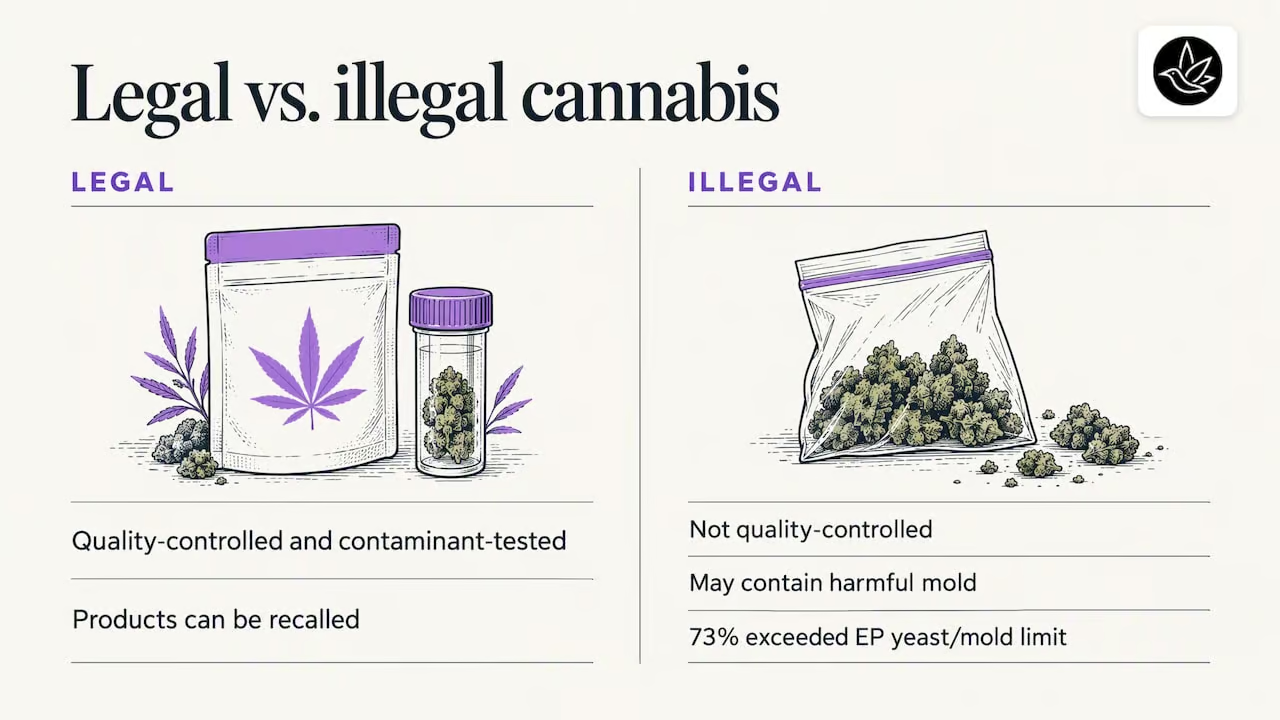
Health Canada says that legal cannabis is quality-controlled and tested for harmful contaminant levels, and can be recalled, while illegal cannabis isn’t quality-controlled and may contain harmful mould levels.
The numbers back that up. In Health Canada’s Cannabis Data Gathering Program, illegal cannabis samples had significantly higher microbial contamination, including yeast, mold and bacteria, than legal-market products. In the 2025 report, 73% of illegal samples exceeded the European Pharmacopeia limit for total yeast and mold count.
Testing for mold is one piece of safety. Contaminants like metals are another, and we cover that in our guide to cannabis heavy metal testing in Canada.
How to buy flower you can trust
You can’t see every problem through a sealed package, but you can stack the odds in your favour.
- Buy from a licensed retailer. That’s the first filter. Legal product has to meet testing rules and carry traceable labelling.
- Read the label. Look for the licensed producer, packaged-on date, lot number and a sealed, intact package.
- Check the lot number against recall notices. It takes a minute.
- Inspect on arrival. Open the package in good light as soon as you get it. If something’s off, you’ll catch it while a return is still simple.
- Choose sensible sizes. If you’re a lighter user, a smaller amount means the flower is used up while it’s fresh.
- Know your strains. Dense, tightly packed buds can hold moisture, so understanding the type of flower you’re buying helps. Our guide to cannabis strain types in Canada is a good start.
How to store cannabis so mold doesn’t start
Even good flower can go bad at home. The research on growers points to one idea: keep moisture low. At home, that translates into a few habits.
- Use an airtight glass jar. Fill it mostly, but don’t pack it tight.
- Keep it cool and dark. Heat and humidity both encourage trouble. Light also breaks down cannabinoids, as we explain in how light degrades cannabis.
- Avoid the fridge and the bathroom. Temperature swings and steam create condensation.
- Don’t open the jar constantly. Each time you do, you let in fresh humid air.
- Don’t store it with food scraps or damp items. Keep the jar away from the kitchen sink and stovetop.
- Check weekly. A quick sniff and look takes ten seconds.
If you use humidity packs, replace them as the manufacturer recommends and don’t let them touch the bud directly. If you see condensation inside the jar, open it, air it out and inspect the flower carefully before you use any of it.
Perspective: what we tell our customers
We get this question a lot, and we like it. It means you’re paying attention. Our view is simple: no bud is worth a gamble on your lungs.
Here’s how we approach it. We curate craft cannabis from growers we trust, and we care about compliance and customer education because that’s what lets you buy with confidence. We put detailed product information on the page so you know what you’re getting before it reaches your door. And with one-hour delivery in Durham Region and the GTA, the flower you order doesn’t sit around in transit.
Our advice if you ever open a package and something looks or smells wrong: don’t try to rescue it. Take photos, note the lot number and reach out. We’d much rather sort it out with you than have you take a risk.
Nick
Shop fresh flower with delivery you can count on
If you’re in Durham Region or the GTA, we offer one-hour delivery on recreational cannabis, and Canada-wide delivery for medical orders. Our selection covers flower, pre-rolls, vapes, extracts, edibles, drinks and CBD, with detailed product info so you can choose with confidence. Browse the full range in our online shop.

Prefer something that doesn’t depend on flower storage? Sealed formats like cannabis extracts are another option, and our team can point you to what fits how you like to use cannabis.
FAQ
How can I tell if weed has mold?
Look for a gray or white powdery or fuzzy coating, dark patches or web-like strands, and smell for a musty, mildewy or hay-like odour. Break a bud open and check the centre for a gray, cottony core. Trichomes sparkle and feel sticky, while mold looks dull and dusty. If you can’t tell, don’t use it.
Is my weed moldy or just covered in trichomes?
Trichomes are evenly spread, glittery and sticky, and they come with a strong strain-specific aroma. Mold appears in patches, looks flat and powdery or fuzzy, and smells musty. A magnifying glass or your phone’s zoom makes the difference clear: trichomes look like tiny glassy stalks, mold looks like threads or dust.
Can I cut the moldy part off and smoke the rest?
No. Healthline specifically advises against this, because mold you can’t see may have spread through the bud. If you spot mold or mildew, throw the product out or return it to the store.
What should I do if I feel sick after using cannabis I think was moldy?
Stop using it and keep the product and packaging. Mild symptoms can include sneezing, coughing, wheezing or itchy eyes, but anything more serious, such as trouble breathing, chest pain or fever, calls for medical attention. Talk to a healthcare professional, and call 911 in an emergency.
Can moldy cannabis be recalled in Ontario?
Yes. Health Canada publishes recalls of cannabis products that may contain mould, including ones sold through Ontario retailers. Check the lot number on your package against recall notices and return affected product to the store where you bought it.
Sources
- Moldy Weed: What to Look for and How to Handle It (Healthline)
- Mold contamination and cannabis (Maple Leaf Mold)
- Total yeast and mold levels in high THC-containing cannabis (PMC)
- Culture Kizos recall notice (Health Canada)
- Blizza Brands Inc. recall notice (Health Canada)
- Guide to addressing moisture and mould indoors (Canada.ca)
- Reduce your risk: Choose legal cannabis (Canada.ca)
- Cannabis Data Gathering Program: legal and illegal dried cannabis (Canada.ca)