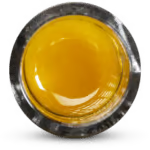
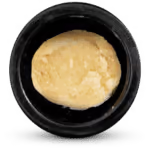
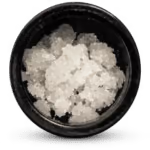
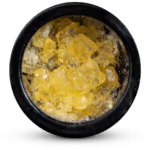
CO2 extraction uses pressurized carbon dioxide as the solvent. Ethanol extraction uses food-grade alcohol, usually chilled. CO2 is the more selective of the two and is often chosen to keep terpene profiles intact. Ethanol is faster and handles big volumes. Neither one is automatically the “better” oil. The method shapes the extract, but the producer’s process, the strain and the lab results matter just as much. Here is how to tell the difference and how to use that when you shop for oils, vapes and concentrates in Ontario.
TL;DR
- CO2 extraction works with pressure and moderate temperatures. It gives a clean, selective extract, and it is often used for vape oils and full-spectrum oils.
- Ethanol extraction is fast, scales well and recovers a very high share of cannabinoids. The extract usually needs more clean-up afterwards.
- In one 2024 hemp study, CO2 extracts had the most CBD and CBG, while ethanol extracts gave far more extract mass and more acidic cannabinoids.
- The extraction method alone does not tell you a product is safer or higher quality. Strain and the certificate of analysis (COA) tell you more.
- Licensed Canadian extracts are tested for residual solvents. Look at the COA, not just the marketing line.
Table of Contents
- What CO2 extraction actually does
- What ethanol extraction actually does
- CO2 vs ethanol side by side
- What the extract itself looks like
- Does the method make a product safer or better?
- Solvents, safety and what Canadian labels tell you
- Which method suits which product?
- Our perspective
- Shop extracts with us
- FAQ
- Sources
What CO2 extraction actually does
Carbon dioxide becomes “supercritical” above a critical temperature of 31.06 °C and a critical pressure of 73.83 bar. In that state it acts like a non-polar solvent that can pull out non-polar compounds, including cannabinoids. Think of it as a fluid that flows like a gas and dissolves like a liquid.
Why do processors like it? The same 2021 review describes CO2 as non-flammable, non-toxic, inert, easy to remove, abundant and relatively low-cost, which makes it the go-to solvent for heat-sensitive compounds such as cannabinoids. Because CO2 leaves as a gas, there is no solvent left behind to purge out of the oil.
A few practical points:
- Settings are adjustable. Changing pressure and temperature changes what the CO2 pulls out. Systems can fractionate, which means separating terpenes from cannabinoids so they can be added back for flavour, as a 2019 safety presentation describes.
- It is gentle on heat. CO2 runs at lower temperatures than hydrocarbon-style processes in many setups, which is why it is associated with preserving CBD and terpenes.
- It picks up waxes and lipids. The crude oil often needs a clean-up step called winterization, where the oil is dissolved in ethanol and chilled so the waxes drop out. Yes, ethanol shows up even in CO2 workflows.
What ethanol extraction actually does
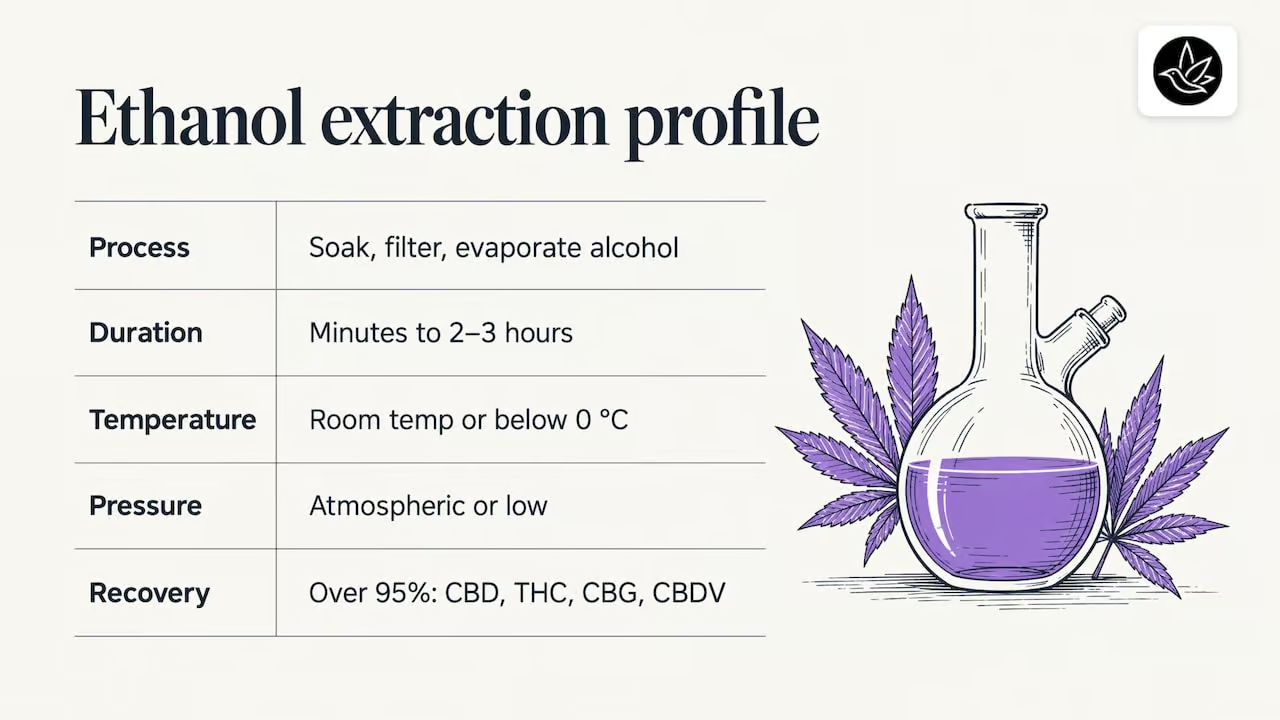
Ethanol is a polar solvent. You soak plant material in it, often cold, then filter and evaporate the alcohol. A 2022 industrial comparison in Frontiers in Natural Products reports that ethanol extraction takes minutes to 2 to 3 hours, runs at room temperature or below 0 °C, works at atmospheric or low pressure, and recovers over 95% of CBD, THC, CBG and CBDV.
That speed and recovery are why ethanol is popular for large batches. The trade-off is selectivity. Because ethanol is polar and powerful, it also co-extracts chlorophyll, carotenoids, flavonoids and other plant material that need to be removed in post-processing. Chilling the ethanol well below freezing is one way processors reduce how much of that comes along.
One more interesting finding: ethanol also works alongside CO2. A study summarized in a 2021 review looked at ethanol as a co-solvent in CO2 extraction, and yields rose almost linearly with pressure up to 34 MPa, reaching 0.185 g/g of cannabis versus 0.132 g/g for traditional ethanol extraction. So the two methods are not always rivals. Sometimes they are teammates.
CO2 vs ethanol side by side
| CO2 (supercritical) | Ethanol (often cold) | |
|---|---|---|
| Solvent type | Non-polar, tunable with pressure and temperature | Polar, powerful, less selective |
| Typical conditions | High pressure, moderate temperature | Atmospheric or low pressure, room temperature or below 0 °C |
| Speed | Slower per batch | Minutes to a few hours |
| What comes along | Cannabinoids, terpenes, some waxes and lipids | Cannabinoids plus more pigments and polar plant compounds |
| Clean-up | Often winterization | Filtration, evaporation, possible further refinement |
| Solvent residue | CO2 leaves as a gas | Ethanol is evaporated and purged out |
| Commonly seen in | Vape oils, full-spectrum oils, distillate feedstock | Large-volume oils, tinctures, distillate feedstock |
The temperature and time figures come from the 2022 Frontiers comparison and the 2021 review. Plant material and equipment vary from lab to lab, so treat the table as the general pattern, not a promise about any single product.
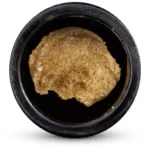
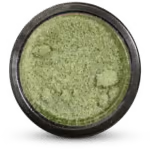
What the extract itself looks like
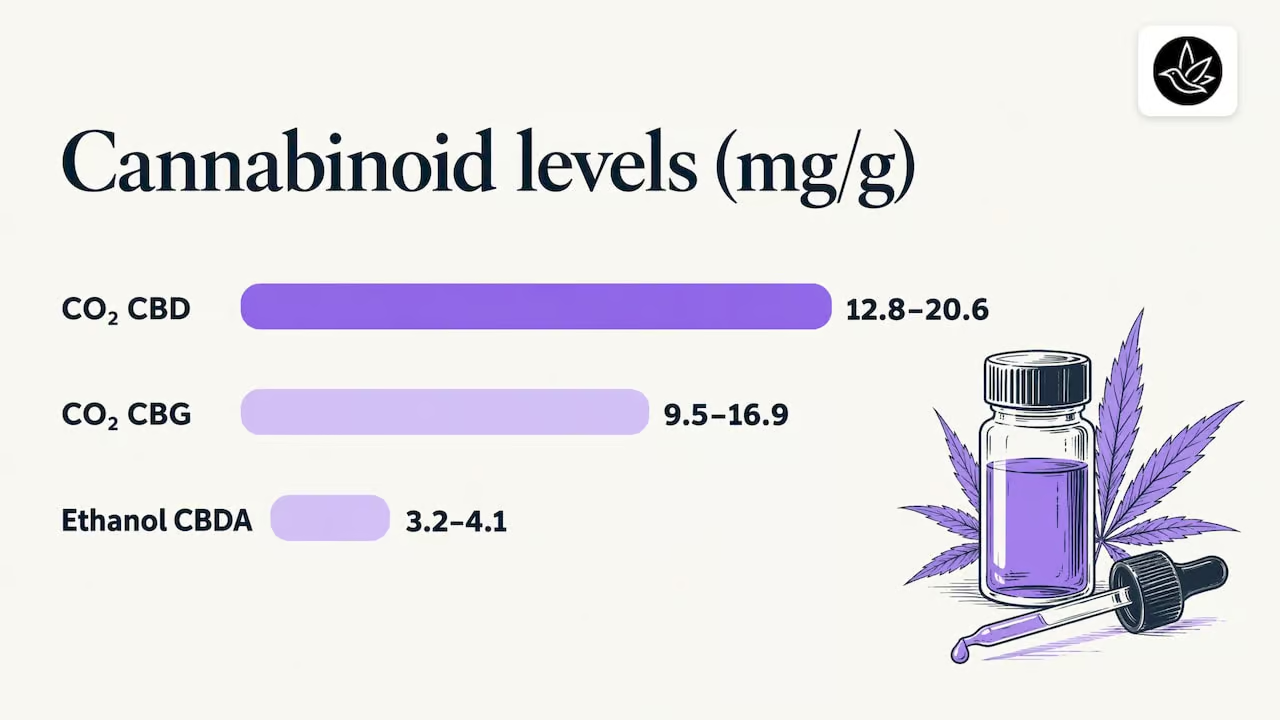
A 2024 study on hemp compared extraction procedures directly. Supercritical CO2 extracts showed the most variety and abundance of cannabinoids, with CBD at 12.8 to 20.6 mg/g and CBG at 9.5 to 16.9 mg/g. The ethanol extracts contained the most acidic cannabinoids, with 3.2 to 4.1 mg/g of CBDA, and minor terpene levels. Ethanol gave the biggest extract mass yield (22 to 24%), while CO2 gave 1.3 to 1.8%. The CO2 extract in that study was also decarboxylated at 95 °C for one hour.
Here is what to take from that:
- Yield and potency are different things. Ethanol pulls out more total material. CO2 pulled out a more concentrated cannabinoid profile in that test.
- Acidic vs neutral cannabinoids. THCA and CBDA are the raw, acidic forms. Heat (decarboxylation) converts them to THC and CBD. Whether an oil is decarboxylated changes how it behaves, so check the label.
- It was hemp, not every strain. Results shift with the plant, the equipment and the settings.
Terpenes and flavour
Terpenes are the aromatic compounds behind the smell and taste of cannabis. They are delicate. CO2 systems that can fractionate give processors a way to keep terpene profiles and return them to the finished oil. Cold ethanol also works well on whole-plant material and is quick, which limits the time the plant sits in solvent. If a product’s flavour is your priority, look at the terpene breakdown on the COA. We cover how to do that in our guide on reading COAs and picking terpene-rich cannabis, and the science of aroma in why cannabis smells different.

Does the method make a product safer or better?
Not on its own. A 2019 University of Ottawa thesis comparing cannabis products found that differences between strains were larger than differences between preparation methods, and that CO2 oils were more chemically consistent across products than ethanol tinctures. So consistency can be a plus for CO2 oils, but the plant’s own chemistry still drives most of the profile.
In practice, ask these questions instead of “which solvent?”:
- What cannabinoids are listed, and in what amounts? Look at THC, CBD and any minor cannabinoids such as CBG or CBN.
- What terpenes are listed? The top three tell you a lot about the likely aroma and effect.
- Is it full spectrum, broad spectrum or distillate? That tells you how much of the plant’s profile has been kept.
- Does the COA show residual solvent results? More on this below.
- Is the product from a licensed producer? In Canada, that is the baseline.
If you want a walk-through of the extract types, our page on choosing the right cannabis extract in Canada breaks down potency versus flavour.
Solvents, safety and what Canadian labels tell you
Extraction safety is mainly a producer concern, but it explains why Canada regulates this so closely.
- Hydrocarbon gases such as butane and propane are flammable and potentially explosive when pressurized. The 2021 review notes that industrial-grade gases can also carry impurities into the extract.
- CO2 is not flammable, but it is an asphyxiant at higher levels. A safety presentation from 2019 describes symptoms such as rapid breathing, confusion and arrhythmias, which is why ventilation and monitoring matter in a production room.
- Ethanol is flammable too, but its boiling point is higher than butane’s, and processors typically run it cold with controls in place.
Residual solvent testing
For cannabis oils, distillates, resins and other extracts, labs test for residual solvents including ethanol, butane, propane, hexane, heptane and isopropanol, and limits are set by Health Canada and must be met before release. Health Canada’s earlier limits document set 5,000 ppm for ethanol, butane and propane in cannabis oil, and no limit for carbon dioxide. That document says it is no longer incorporated by reference in the Cannabis Regulations after the transition period, so for the current requirements, see Health Canada’s own pages.
On a COA, a solvent result shown as “ND” (not detected) or under the limit is what you want to see.
Composition rules you can check on the package
Health Canada’s composition guide sets caps you can see on any label. Cannabis extracts and topicals can’t exceed 1,000 mg of THC per container, and extracts sold in discrete units for ingestion can’t exceed 10 mg of THC per unit. The same guide limits what else an extract may contain: carrier substances, flavouring agents and ingredients needed for quality or stability.
What does that mean for you? The extraction method matters less than the numbers on the label. Check mg per unit, check total THC per container, and start low. Our edibles guide on starting at 2.5 mg covers that approach for ingestibles.
Which method suits which product?
There is no hard rule, since producers combine methods, and many products start as one extract and get refined further. These are patterns, not guarantees.
- Vape cartridges: CO2-derived oils are common. Terpene content matters for flavour, so read the COA. See our Ontario vape regulation guide and our look at whether vapes expire.
- Oils and soft gels: Many are full-spectrum or contain minor cannabinoids like CBG, CBN and CBD. Our page on minor cannabinoids in Canada explains each one.
- Edibles and drinks: These usually use refined extracts so the dose per unit is precise and stays under the 10 mg cap.
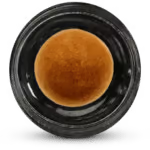
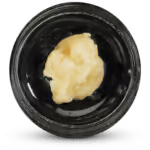
- Concentrates: Potency and flavour vary a lot. CO2 extraction can reach 70 to 90% THC range potency in some cases, but check the COA for the actual number.
Our perspective
We get asked about solvents more than you might think, and our answer is always the same: don’t pick a side, pick a product you can verify.
At Montrose, we curate craft cannabis from top-tier growers and we care about compliance and customer education. For us, that means we want you to understand the label, not just trust the front of the box. CO2 can deliver clean, flavourful oils. Cold ethanol can deliver efficient, high-recovery extracts. Both can be excellent when a licensed producer does it right and the lab results back it up.
So when you shop with us, look at the cannabinoid numbers, the terpene profile and the COA. If you are not sure what a number means, ask us. We would rather explain it than have you guess.
Nick
Shop extracts with us
If you are ready to try oils, vapes, soft gels or concentrates, we carry recreational and medical options with product details and one-hour delivery in Durham Region and the GTA. Medical orders can ship across Canada. Browse the full range in our online shop.

A few places to start if you like minor cannabinoids: our CBG and CBD oil, a CBG:THC advanced formula oil, or Refresh CBG + CBD soft gels. Check each product page for the cannabinoid details.
FAQ
Is CO2 or ethanol extraction better?
Neither wins every time. CO2 is selective and can be tuned, which is why it is often chosen to keep terpenes and give a clean profile. Ethanol is fast and recovers over 95% of major cannabinoids, so it suits large volumes. What matters for you is the finished product’s COA.
Is there solvent left in cannabis extracts?
Licensed extracts are tested for residual solvents such as ethanol, butane and propane, and the limits must be met before release. CO2 leaves as a gas, so it is not a residual solvent concern. Check the COA for the solvent panel on any extract you buy.
Why do some oils taste better than others?
Flavour comes mostly from terpenes, which are delicate. Producers who fractionate or add terpenes back can keep more of the plant’s aroma. Strain also matters. Look at the top three terpenes on the COA to guess how it will taste.
Can I make extracts at home?
Solvent extraction at home is not something we recommend, because pressurized and flammable solvents are a real hazard, and licensed production is the legal route for extracts in Canada. If you want extracts, buy from a licensed retailer.
Sources
- Processing and extraction methods of medicinal cannabis: a narrative review (2021)
- Processing and extraction methods of medicinal cannabis (PMC mirror)
- Comprehensive comparison of industrial cannabinoid extraction techniques, Frontiers in Natural Products (2022)
- Effect of Hemp Extraction Procedures on Cannabinoid and Terpenoid Composition (2024)
- Cannabis Metabolomics: Comparison of Cannabis Products, University of Ottawa (2019)
- Limits for Residual Solvents in Cannabis Products, Health Canada
- Guide on composition requirements for cannabis products, Health Canada
- How to Read a Cannabis COA, GrowerIQ (2026)
- The Wild West: Cannabis Industry Safety Hazards, CIHC (2019)
- What Is Hashish? Cannabis Resin Explained, QCS (2026)