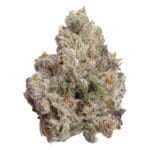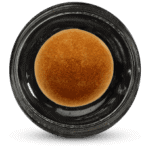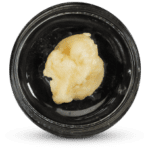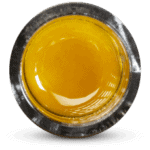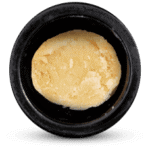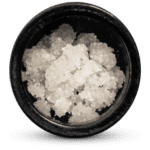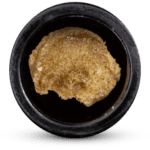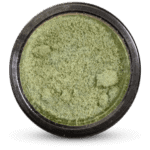
Hash, or hashish, is a cannabis concentrate made by compressing the resinous glands of the cannabis plant, known as trichomes, into a solid form. These trichomes hold the bulk of the plant’s cannabinoids and terpenes, which is why hash delivers a noticeably stronger experience than raw flower. If you’ve been curious about what is hash and how it fits into the wider world of cannabis products, you’re in the right place. This guide covers everything from how it’s made to how it’s consumed, so you can make informed choices with confidence.
What is hash and where does it come from?
Hash is defined by the 1961 UN Single Convention as the separated resin obtained from the cannabis plant. That definition has held up for decades because it captures the core idea precisely. You take the resin-rich trichomes, separate them from the plant material, and compress them into a concentrated form.
The word “hashish” comes from Arabic, meaning “grass,” and the practice of making it stretches back centuries across regions like Morocco, Afghanistan, Lebanon, and India. Each of these regions developed its own techniques and traditions, which is why hash can look and feel so different depending on its origin.
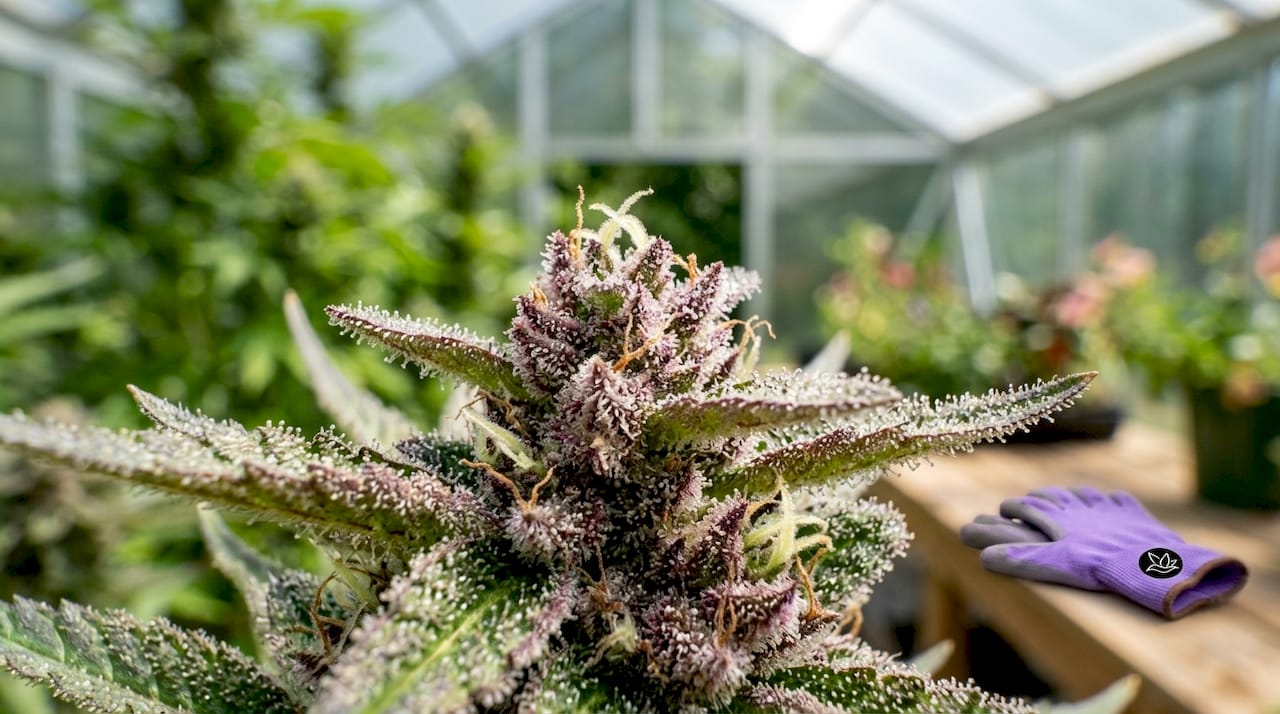
Trichomes are the cannabinoid-rich parts of the cannabis plant responsible for hash’s potency. By removing the inert plant matter and concentrating those glands, hash delivers a denser hit of active compounds than dried flower alone. That’s the fundamental reason experienced consumers reach for it.
How is hash made?
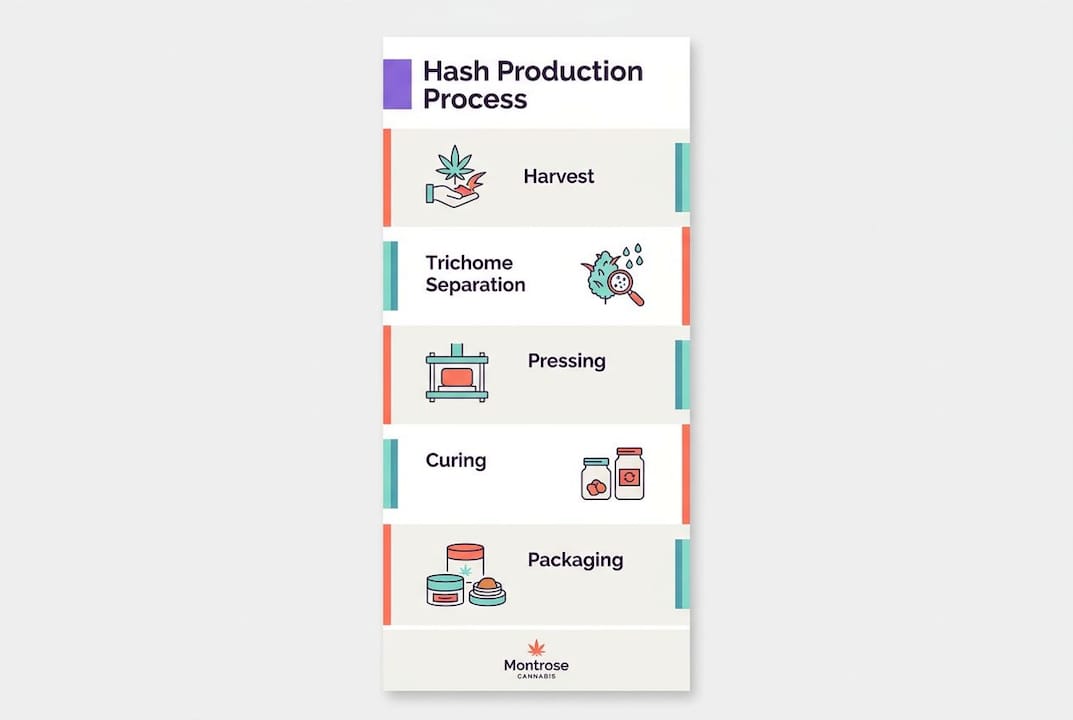
Hash production relies on mechanical separation of trichomes rather than chemical solvents. This is the key distinction between traditional hash and modern solvent-based extracts like butane honey oil. The mechanical approach preserves the natural character of the resin without introducing foreign chemicals.
Traditional production methods include:
- Dry sifting: Cannabis flower and trim are rubbed or sifted over fine mesh screens. The trichomes fall through and collect as a fine powder called kief, which is then pressed into blocks.
- Hand-rolling: Cultivators rub fresh cannabis flowers between their palms. The resin sticks to the skin and is then scraped off and rolled into balls or sticks. This method produces what is commonly called “charas” in South Asian traditions.
- Ice water extraction: Cannabis is agitated in ice-cold water, causing trichomes to break off and sink. The mixture is filtered through progressively finer mesh bags to collect the resin, which is then dried and pressed. This produces what many call “bubble hash.”
The maturity of the resin glands at harvest time plays a major role in the final product’s quality. Processing methods greatly influence hash’s consistency, potency, and overall character. A careful producer who harvests at peak trichome maturity and handles the material gently will consistently outperform one who rushes the process.
Pro Tip: If you’re buying hash and want to understand quality, ask about the production method. Ice water extraction and dry sift from single-strain cannabis tend to produce cleaner, more consistent results than mixed-trim hash.
What does hash look and feel like?
Hash varies widely in appearance, and that variation tells you a lot about how it was made. Colour ranges from light tan and golden yellow through medium brown to near-black, depending on the strain, the production method, and how much plant material made it into the final product.
| Characteristic | What it indicates |
|---|---|
| Light golden or blonde colour | Minimal plant material; cleaner resin collection |
| Dark brown to black colour | More plant matter present; often harsher flavour |
| Soft and malleable texture | Fresh, well-processed resin; often higher quality |
| Brittle and crumbly texture | Older product or drier processing conditions |
| Rich, complex aroma | High terpene content; likely careful low-temperature handling |
| Bubbles cleanly under flame | Good sign of purity; minimal contaminants |
Appearance alone is not a reliable potency indicator. Experienced consumers use aroma, texture, and the way hash behaves under a flame to evaluate quality. Hash that bubbles and melts cleanly when gently heated suggests a higher resin content and fewer impurities.
Lower quality hash contains more chlorophyll and plant materials, which leads to a harsher, more unpleasant experience. You’ll often notice this in the taste and the throat feel. A greener tint or a grassy, bitter smell are both signs that significant plant matter made it through the process.
Pro Tip: When evaluating hash, warm a small piece between your fingers. Quality hash softens quickly and becomes pliable. If it stays hard and crumbly or smells strongly of grass, it likely contains a high proportion of plant material.
How does hash compare to flower and other concentrates?
Hash sits in the middle of the cannabis product spectrum. It’s more concentrated than dried flower, but generally less refined than modern solvent-based extracts.
Dried cannabis flower typically contains cannabinoids distributed throughout the plant material, with much of the weight coming from inert cellulose and water. Hash filters out that inert matter, so hash is denser in active compounds than raw cannabis buds. A small piece of hash can deliver effects that would require a much larger amount of flower.
Compared to other concentrates, hash occupies its own category:
- Budder and wax: Produced using solvents like butane or CO2, these extracts can reach very high cannabinoid concentrations. They are typically consumed by dabbing. You can read more about cannabis budder if you want a direct comparison.
- Rosin: Made by applying heat and pressure to flower or hash itself, rosin is a solventless extract that sits closer to hash in character but is often more refined.
- Oils and tinctures: These are liquid extracts designed for precise dosing, often used for medical purposes.
- Raw flower: The least processed form, with the lowest cannabinoid concentration per gram.
Understanding where hash fits in this range helps you choose the right product for your needs. If you’re curious about how different cannabis concentrates compare for dabbing and other methods, that context is worth having before you buy.
The types of THC present in hash also matter. Different cannabinoid profiles produce different effects, and hash from different strains will carry distinct terpene signatures that shape the experience.
How is hash consumed, and what should you know before trying it?
Hash is versatile in how it can be consumed, which is part of its long-standing appeal. Hash is typically consumed by smoking, either alone or mixed with tobacco or dried cannabis flower. Here are the most common methods:
- Mixed with flower in a pipe or bong: Crumble a small piece of hash over ground flower in a bowl. This is one of the most straightforward approaches and gives you good control over how much you use.
- Rolled into a joint: Hash can be crumbled or rolled into a thin rope and added to a cannabis joint. Some people mix it with tobacco, though avoiding tobacco is generally the healthier choice.
- Hot-knifing: Heat two metal knives on a stove element, press a small piece of hash between them, and inhale the vapour through a tube. This is an older method that is less common today but still used.
- Vaporising: A dry herb or concentrate vaporiser set to a moderate temperature works well for hash. This method avoids combustion and tends to preserve more of the terpene profile.
- Dabbing: High-quality hash, particularly bubble hash or hash rosin, can be dabbed using a dab rig. This method delivers the most concentrated effect.
Hash’s concentration of cannabinoids produces stronger and quicker effects than dried flower. If you’re new to hash, start with a very small amount and wait to feel the full effect before consuming more. The onset when smoking is typically within minutes, but the intensity can catch new consumers off guard.
The cannabis grading system used in Canada can also help you understand what you’re buying. Licensed producers are required to provide cannabinoid content information, so you can make a genuinely informed decision rather than guessing based on appearance.
Key takeaways
Hash is a traditional cannabis concentrate made by mechanically separating and compressing trichomes, delivering stronger effects than flower with a quality that depends entirely on the care taken during production.
| Point | Details |
|---|---|
| Hash is a trichome concentrate | It is made by separating resin glands from the plant and compressing them into a solid form. |
| Mechanical separation defines traditional hash | Quality hash uses no solvents; dry sift, hand-rolling, and ice water extraction are the main methods. |
| Appearance does not equal potency | Use aroma, texture, and bubbling behaviour to evaluate quality rather than colour alone. |
| Hash is stronger than flower | Its higher cannabinoid density means smaller amounts produce more pronounced effects. |
| Start low as a new consumer | Hash’s faster and stronger onset makes careful dosing especially important for first-time users. |
Nick’s take: what most people get wrong about hash
People often assume that darker hash is stronger hash. I’ve heard this dozens of times, and it’s simply not true. Dark colour usually means more plant material made it into the final product, which often means a harsher experience, not a more potent one. The best hash I’ve encountered has been a warm golden-brown, soft to the touch, and rich with a complex, almost spicy aroma.
The other misconception I run into constantly is that hash is somehow old-fashioned or less sophisticated than modern concentrates. Traditional craftsmanship in hash production is genuinely skilled work. A well-made dry-sift or bubble hash from a single, carefully selected strain can be a remarkable product. The fact that it doesn’t require lab equipment doesn’t make it inferior.
For anyone trying hash for the first time, my honest advice is this: buy from a licensed, reputable source, check the cannabinoid profile on the label, and start with a piece no larger than a grain of rice. The effects come on quickly when smoked, and you can always consume more. You can’t undo what you’ve already consumed. Sourcing from a trusted retailer who can answer your questions makes a real difference to that first experience.
— Nick
Quality hash, delivered to your door by Montrosecannabis
If you’re ready to try hash or want to expand your knowledge of cannabis concentrates, Montrosecannabis has you covered. The curated selection includes premium hash products sourced from top-tier Canadian producers, with full cannabinoid information so you know exactly what you’re getting.

Montrosecannabis serves the Durham Region and GTA with one-hour delivery, a 4.9-star Google rating, and a team that genuinely cares about your experience. Whether you’re picking up your first piece of hash or looking for something specific like the Amnesia Haze Cured Hash Rosin, you’ll find quality products and honest guidance. Browse the full selection of hash products online and get it delivered fast.
FAQ
What is hash made from?
Hash is made from the trichomes of the cannabis plant. These resin glands are mechanically separated from the plant material and compressed into a solid concentrate.
Is hash stronger than regular cannabis flower?
Yes. Hash removes inert plant matter and concentrates the active cannabinoids, making it denser in THC and other compounds than dried flower. Small amounts produce stronger effects.
What does good quality hash look like?
Quality hash is typically light to medium brown, soft and pliable when warmed, and has a rich, complex aroma. It bubbles cleanly under a gentle flame, which indicates a high resin content and minimal plant material.
How is hash different from other cannabis concentrates?
Hash is made through mechanical separation without solvents, unlike extracts such as budder, wax, or oil. It is less refined than solvent-based concentrates but more concentrated than dried flower.
Is hash legal in Canada?
Yes. Hash is a legal cannabis product in Canada when purchased from a licensed retailer. Licensed producers must list cannabinoid content on the label, so consumers can make informed choices.