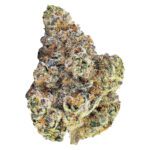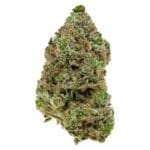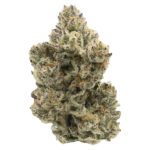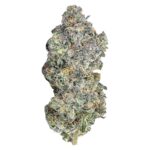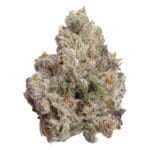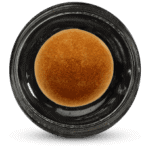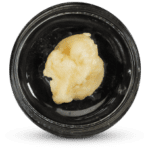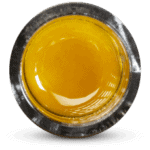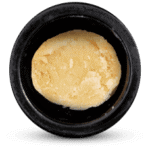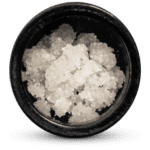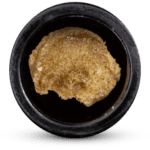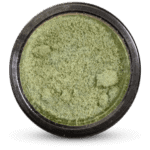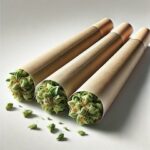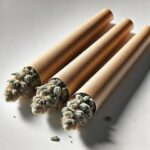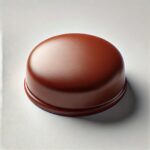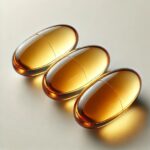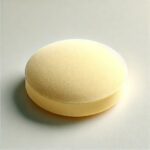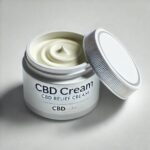
Cannabis extracts split into two families: solvent-based (butane, CO2, ethanol) and solventless (heat, pressure, ice water). Within those two camps, you’ll run into distillate, live resin, live rosin, shatter, wax or budder, THCa diamonds, and hash or kief. THCa diamonds and high-grade distillate test highest for raw THC, while live resin and live rosin hold onto the terpenes that give an extract its flavour and rounder effect.
TL;DR:
- Solventless extracts like live rosin and bubble hash generally retain more terpenes, providing richer aroma and a different, often fuller, effect profile despite slightly lower THC percentages.
- THCa diamonds can reach up to 99% purity, making them the strongest extract, but their lack of flavor is compensated by pairing with terpene-rich sauces for a balanced experience.
- Properly purged solvent-based extracts from licensed producers typically contain minimal residual solvents, with Certificates of Analysis confirming batch safety, unlike unverified homemade products.
- Choosing the right extract depends on your purpose, potency preference, flavor importance, and available hardware, with beginner options favoring predictable, low-dose distillate cartridges.
- Buyers should prioritize licensed, lab-tested products, verifying COAs and batch matching, to ensure safety and accurate potency, rather than chasing the highest THC content alone.
Table of Contents
- What are the different types of solvent-based cannabis extracts?
- How do solventless extracts like rosin and hash get made?
- Are THCa diamonds the strongest cannabis extract?
- Why do live resin and live rosin feel different from other extracts?
- Which hardware works best for each extract type?
- What should a certificate of analysis tell you?
- How do you choose the right extract for your needs?
- Why does Montrosecannabis’s approach to extracts matter?
- The gap between “strongest” and “right for you”
- Ready to try an extract that matches your priorities?
- Sources
- FAQ
What are the different types of solvent-based cannabis extracts?
Solvent-based extraction uses a chemical, usually butane, propane, CO2, or ethanol, to strip cannabinoids and terpenes off the plant material and leave the fibrous stuff behind. The solvent dissolves the resin, the mixture gets filtered, and then the solvent is purged off under heat and vacuum. What’s left behind is a concentrated slurry of THC, CBD, and aromatic compounds that gets whipped, cooled, or left to set depending on what the producer wants the final texture to look like.
This is where most of the familiar names in a dispensary case come from, and each one is really just the same starting material treated a little differently at the finishing stage.
- Distillate is a clear, viscous oil, refined further than most other extracts, usually testing between 85% and 99% THC. It’s flavourless and odourless on its own, which is exactly why it shows up in vape cartridges and edibles where a manufacturer wants predictable potency without a strong cannabis taste.
- Shatter is thin, glass-like, and snaps cleanly when you break off a piece. It typically lands in a mid-to-high THC range and is a favourite for dabbing because it’s easy to portion.
- Wax, budder, and crumble are texture variations of the same base extract, whipped or agitated during the purge to create a softer, opaque consistency. They handle a bit easier than shatter and are popular with people who dab regularly.
- Sauce refers to a liquid, terpene-rich layer sitting alongside crystallized THCA, prized for a stronger aroma and taste than plain distillate.
Solvent choice matters for safety, not just for texture. Butane hash oil, commonly shortened to BHO, needs a thorough purge cycle to drive off residual solvent, and this is precisely the step that separates a professionally processed extract from a garage batch. Licensed producers run that purge under controlled vacuum ovens and then send samples out for residual solvent testing as part of the batch requirements under the Cannabis Regulations.
A certificate of analysis, usually just called a COA, is where you confirm that purge actually worked. Look for a residual solvent panel showing results well under the legal limit, alongside the cannabinoid assay. If a product has no COA attached, or the COA doesn’t match the batch number on the packaging, that’s a red flag worth walking away from. Reputable retailers list this documentation because it’s the only real proof that what’s on the label matches what’s in the jar.
How do solventless extracts like rosin and hash get made?
Solventless extraction skips chemicals entirely and relies on mechanical force, heat, pressure, or cold water, to separate resin glands (trichomes) from the plant. Because there’s no solvent to purge, there’s also no residual solvent panel to worry about on the COA, which is a big part of why some consumers gravitate toward this category.
Rosin is made by pressing flower or hash between heated plates, usually somewhere between 160°F and 220°F, squeezing the resin out under pressure. No chemicals touch the plant at any point. Bubble hash takes a different route: cannabis gets agitated in ice water, which knocks trichomes loose, and the resin is then filtered through a series of mesh bags ranked by micron size. Kief is the simplest of the three, just dry-sifted trichome heads collected through a fine screen, with no water or heat involved at all.
- Live rosin starts from fresh-frozen flower rather than dried and cured material, and typically tests in a moderate to high THC range with strong terpene retention.
- Pressed hash made from dried bubble hash usually falls in a moderate potency range but delivers a fuller, earthier flavour than most solvent-based products.
- Bubble hash graded by micron count (commonly labelled with a star rating from one to six stars) reflects purity, with higher star ratings meaning cleaner, more contaminant-free trichome heads.
Pro Tip: If you’re chasing flavour over pure THC percentage, look for “live” on the label. It signals fresh-frozen starting material, which is the single biggest factor in how much terpene aroma survives into the final product.
People choose solventless extracts mainly to sidestep any question of chemical residue, though it’s worth being straightforward about this: a well-purged, professionally tested BHO product carries very little practical risk either. The bigger factor is usually taste and mouthfeel, since mechanical extraction tends to preserve a rounder, more true-to-strain flavour profile.
Are THCa diamonds the strongest cannabis extract?
THCa diamonds are widely considered the strongest extract by raw cannabinoid percentage, and for good reason.
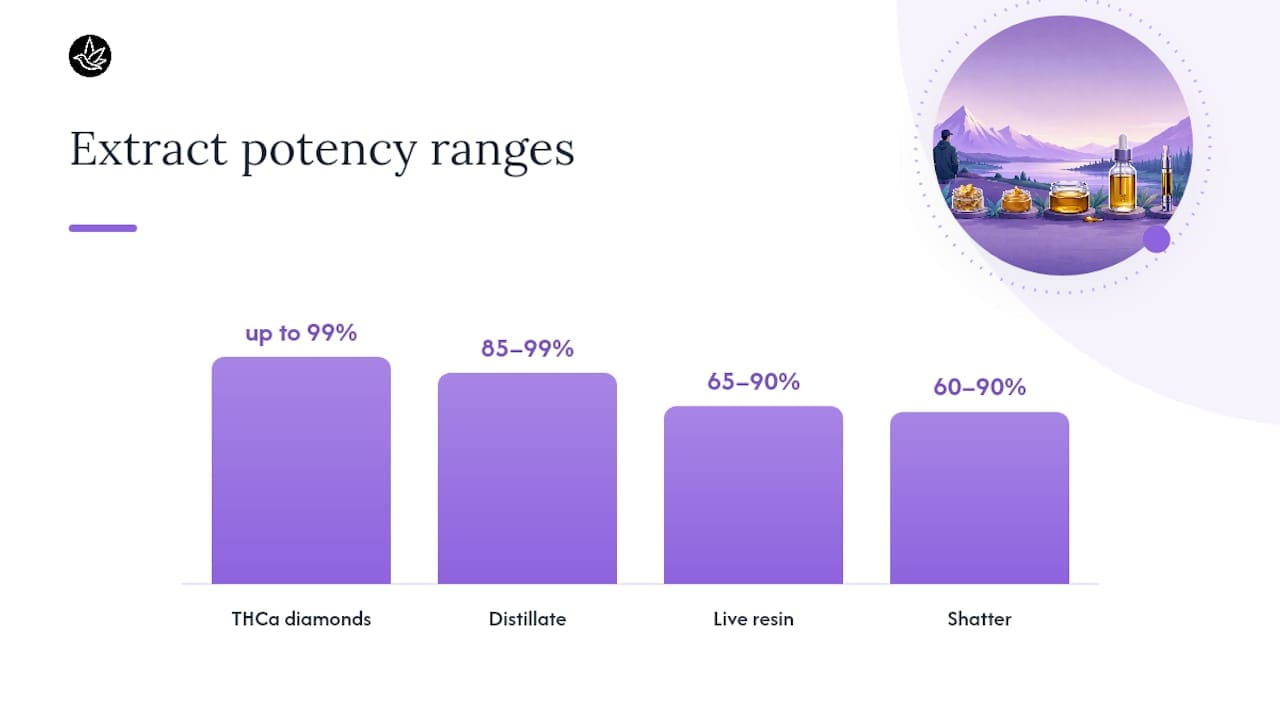
THCa diamonds can test up to 99% purity when isolated on their own, according to industry potency overviews. Compare that to distillate at 85% to 99% THC, live resin at 65% to 90%, and shatter at 60% to 90%, and diamonds sit at the top of the range by a clear margin.
The name comes from the crystallization process itself. Extractors isolate THCA molecules under controlled temperature and pressure until they form clear, crystal-like structures, sometimes over days or weeks. Because THCA converts to active THC only when heated (through decarboxylation), diamonds on their own are technically a raw cannabinoid rather than an active high until you dab or vape them.
Diamonds rarely show up alone. Most producers pair them with terpene sauce, the liquid layer described earlier, precisely because pure THCA crystal has almost no smell or flavour on its own. That combination, sometimes labelled “diamonds and sauce,” gives you the crystal’s potency alongside the aromatic punch that pure isolate lacks.
A quick handling note: diamonds are dense and take more heat to fully vapourize than shatter or wax, so a low-temperature dab that works fine on softer extracts can leave crystal residue behind on the nail. The broader industry conversation is also shifting. Rather than chasing the single highest THC number, more producers now emphasize total cannabinoid content and long-term stability, since a diamond that degrades in six months isn’t actually a better product than a stable 85% distillate.
Why do live resin and live rosin feel different from other extracts?
Live resin and live rosin start the same way: fresh-frozen flower, harvested and frozen within hours rather than dried and cured over days. That single step is the whole story behind why these extracts taste and feel different from anything made with cured material.
Drying and curing cannabis causes real losses in the volatile terpene compounds responsible for aroma, since many of those molecules break down or evaporate during the process. Freezing plant material immediately after harvest locks those terpenes in place before they have the chance to degrade. Live resin uses a solvent (typically butane or CO2) to pull that preserved terpene profile off the frozen plant, while live rosin gets there mechanically, through heat and pressure applied to fresh-frozen material rather than any chemical.
- Live resin generally tests in a moderate to high THC range and carries a solvent-extracted, often sticky or slightly saucy texture.
- Live rosin lands in a similar potency window but comes out solventless, usually with a softer, more pliable consistency.
- Both retain noticeably more terpene aroma than distillate or standard shatter, which is why regular users often describe them as tasting “closer to the actual flower.”
Here’s the part that surprises a lot of newcomers: pure THC percentage doesn’t tell the whole story of how strong something feels. Distillate might test higher on paper, but many experienced consumers report live resin or live rosin feels more potent because the fuller terpene and cannabinoid profile changes the character of the high, an effect often called the entourage effect.
Because these extracts are terpene-heavy, they’re also more sensitive to heat and light. Keep them refrigerated in an airtight, opaque container, and pull them out only when you’re ready to use them. Left at room temperature or exposed to light for extended periods, that fragile terpene profile fades fast, and with it, most of the reason to choose a live product in the first place. Read more on how live resin is actually made if you want the full production breakdown.
Which hardware works best for each extract type?
Matching the right device to the right texture makes a bigger difference to your experience than most people expect. A soft, oily extract melts through a coil vape without issue, but that same texture can be a mess to load onto a dab tool. Here’s how to think about it.
- Distillate is thin and pourable, which makes it the standard fill for vape cartridges. It also works in edibles and tinctures since it has no strong taste to mask.
- Shatter and hard wax hold their shape well enough to portion with a dab tool, making them a natural fit for a traditional dab rig or e-nail, where a titanium or quartz nail is heated and the extract is vapourized on contact.
- Budder, live resin, and rosin are softer and stickier, so they suit a nectar collector (a straw-style tool you touch directly to the concentrate) or a lower-temperature dab setup that won’t scorch the terpenes.
- THCa diamonds need more sustained heat to fully vapourize, so they’re best on a rig with a quality e-nail that holds a steady temperature rather than a quick torch-and-go setup.
If you’re new to concentrates entirely, start with a low-wattage vape pen rather than a dab rig. Concentrates run far more potent than dried flower, and national drug-education resources are blunt about that gap: a single small dab can deliver several times the THC of a typical flower session. Take one small inhalation, wait a full 15 to 20 minutes before deciding whether you need more, and never combine a high-potency dab with alcohol or other substances while you’re still learning your tolerance. Browse Montrosecannabis’s extract and concentrate selection for dabbing once you’ve got a feel for what texture and hardware combination suits you.
What should a certificate of analysis tell you?
A COA is the single most useful document for judging whether an extract is what it claims to be, and reading one takes about thirty seconds once you know what to look for.
Start with the cannabinoid assay, the section listing THC, THCA, CBD, and CBDA percentages. That number should roughly match what’s printed on the packaging. From there, check the contaminant panels: residual solvents (for anything solvent-based), pesticides, heavy metals, and microbial screening. Every panel should show a pass, and the lot or batch number on the COA needs to match the number on your packaging exactly. If it doesn’t, you’re potentially looking at a COA from a different batch entirely, which defeats the entire purpose of the document.
- Confirm the cannabinoid percentage on the COA lines up with the packaging.
- Check the batch or lot number matches between the COA and the product label.
- Look for a residual solvent result on anything solvent-based, not just a blanket “passed” stamp.
- Scan for pesticide, heavy metal, and microbial results, all of which should show clear passes.
Licensed producers in Canada aren’t testing on a voluntary basis. Health Canada requires anyone holding a processing licence to prepare and implement a preventive control plan that identifies biological, chemical, and physical hazards before a product ever reaches a shelf. That plan has to be documented, retained, and backed by actual batch testing, which is a meaningfully different bar than an unregulated product that simply claims to be safe.
A product with no COA, a COA that doesn’t match its batch number, or packaging with inconsistent potency claims from one jar to the next is telling you the same thing: nobody verified what’s actually inside.
Homemade BHO deserves a specific warning here. Without proper closed-loop equipment and a real purge cycle, butane extraction done at home carries genuine fire and residual solvent risks that licensed facilities are built specifically to control. If you want detail on how contaminant testing actually works in practice, Montrosecannabis has a deeper breakdown of heavy metal testing standards worth a read.
How do you choose the right extract for your needs?
Five questions narrow down the entire extract category fast: What’s your purpose (recreational, medical, or both)? How much potency do you actually want? Does flavour matter to you, or is potency the only priority? Have you checked the COA? And what hardware do you already own, or are willing to buy?
Run through those, and most of the guesswork disappears.
- Best for flavour: live rosin or live resin, since fresh-frozen starting material preserves the terpene profile that gives an extract its aroma and taste.
- Best for maximum THC: THCa diamonds, testing up to 99% purity in raw cannabinoid terms.
- Best for beginners: distillate in a low-dose vape cartridge, because the potency is predictable and the format allows small, controlled inhalations.
- Best for medical users: distillate or full-spectrum live resin, depending on whether consistent dosing or a fuller cannabinoid profile matters more for the specific condition being managed.
Pro Tip: When you’re standing in front of a menu and can’t decide, ask yourself one question first: am I here for effect or for experience? If it’s effect, look at THC percentage. If it’s experience, look at the word “live” on the label and skip straight to the terpene content.
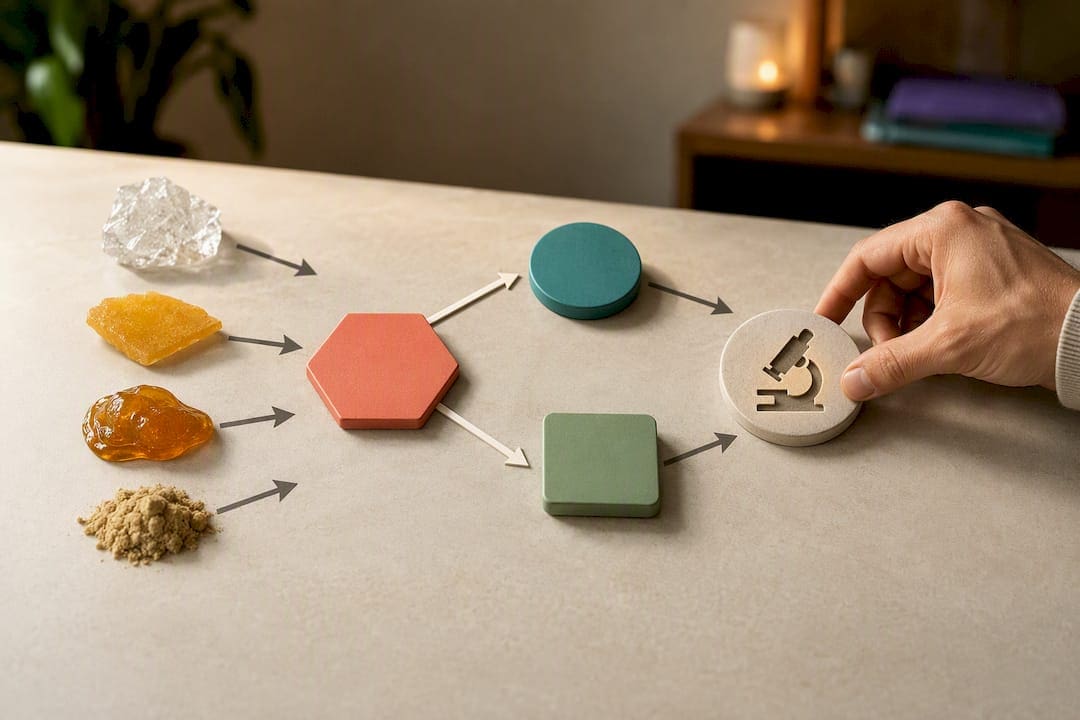
A simple two-step flow works at a shop counter or shopping online: first, decide whether flavour or raw potency matters more for this particular purchase, then filter your options by that single priority and check the COA on whatever’s left before you commit. It sounds almost too simple, but most purchase regret in this category comes from skipping straight to “what’s strongest” without asking what you actually wanted out of the session.
Why does Montrosecannabis’s approach to extracts matter?
A reputable cannabis retailer curates its concentrate selection from licensed producers, which means every extract listed comes backed by the batch testing and preventive control documentation Health Canada requires of processing licence holders. That’s not a marketing line; it’s a regulatory floor that separates a legitimate product from anything sold without oversight.
Beyond the paperwork, a reputable retailer’s rating is built on fast, reliable delivery across its service areas, with a curated catalogue that leans toward craft growers and processors rather than mass-market filler. For readers who want to go deeper on any single extract type before buying, the live resin production breakdown, the heavy metal testing explainer, and the entourage effect primer all cover the mechanics in more depth than a single overview article can.
The practical rule worth carrying forward: prefer licensed, lab-tested products over anything without a matching COA, regardless of how good the price looks. Potency numbers only mean something when they’re verified, and verification is the one thing an unregulated product can never actually offer you.
The gap between “strongest” and “right for you”
Most extract content online is obsessed with a single question: what’s the highest THC number available? That framing isn’t wrong exactly, THCa diamonds really do test near 99% purity, but it’s incomplete in a way that leads a lot of people toward a purchase they end up disappointed with.
Raw potency and subjective effect aren’t the same thing. A distillate cartridge at 90% THC and a live rosin at 75% THC can produce noticeably different experiences, because terpene content and the entourage effect shape how a high actually feels, not just how strong it registers on a lab sheet. The conventional advice skips this almost entirely, treating THC percentage as a proxy for quality when it’s really only a proxy for one specific kind of quality.
If you’re new to concentrates, or buying for a specific purpose rather than bragging rights, start with what you want out of the session, flavour, function, or predictability, then let potency be the second filter, not the first. And always let the COA settle any doubt about what’s actually safe to put in your body.
— Nick
Ready to try an extract that matches your priorities?
Choosing an extract can be made simple instead of overwhelming, especially when products in the catalogue are sourced from licensed producers with documented testing behind them. Instead of guessing at a dispensary counter or scrolling through unverified listings, you can find a curated selection of distillate, live resin, live rosin, and diamonds, each with COA transparency.

Whether you’re after maximum potency, a flavour-forward live rosin, or a beginner-friendly distillate cartridge, some retailers offer fast local delivery in Ontario and Canada-wide shipping for medical orders. If you’re weighing your options for the first time, the cannabis delivery guide walks through what to expect from order to doorstep. Ready to see what’s currently in stock? Head to Montrosecannabis and place your order today.
Sources
- Canada
- Cannabis Regulations (relevant sections on testing and preventive control plans)
- NIDA: Cannabis concentrates facts and safety considerations
FAQ
What is the strongest form of cannabis extract?
THCa diamonds are generally considered the strongest, testing up to 99% purity in raw cannabinoid terms, ahead of distillate (85% to 99% THC), live resin (65% to 90%), and shatter (60% to 90%).
What is the healthiest cannabis extraction method?
There’s no single “healthiest” method; solventless extraction avoids residual solvent risk entirely, but a properly purged, professionally tested solvent-based product carries very little practical risk either. What matters most is licensed processing and a matching COA, not the extraction method alone.
Which is stronger, budder or shatter?
Budder and shatter come from the same solvent-based extraction process and typically fall in similar THC ranges, generally 60% to 90%. The difference is texture, not potency, since budder is whipped during the purge while shatter is left to set hard.
What gets you higher, live rosin or distillate?
Distillate usually tests higher on paper, often 85% to 99% THC compared to live rosin’s 65% to 90%. Many experienced users report live rosin feels stronger in practice, since its preserved terpene profile contributes to a fuller entourage effect that raw THC percentage doesn’t capture.