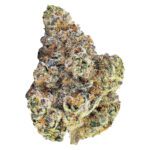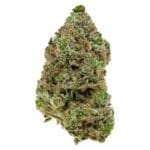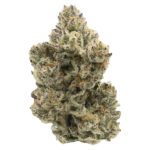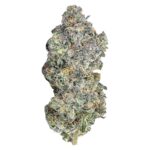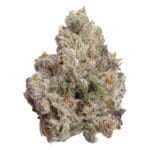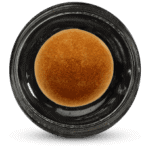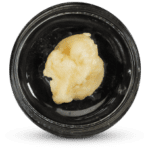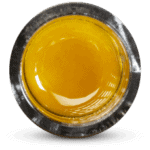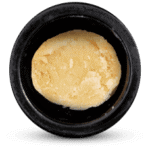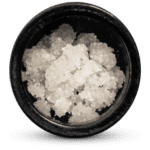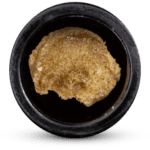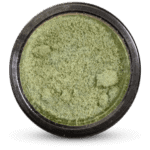
Concentrates pack far more THC per gram than flower, so the honest comparison isn’t gram for gram. It’s milligram for milligram. Beginners and anyone titrating a dose do better starting with flower, while experienced or medical consumers with a clear tolerance often prefer the control concentrates offer at higher potency. As a rough purchasing reference, regulators treat roughly 1 g of concentrate as equal to about 3.5 g of flower, though that’s an accounting shortcut, not a pharmacology lesson.
TL;DR:
- Comparing concentrates and flower based on milligrams of THC is essential, as concentrates reach up to 90% THC while flower typically maxes around 30%.
- Dabbing or vaping concentrates produces effects within seconds to two minutes, but higher potency reduces the margin for dosing errors, especially for beginners.
- Both products pose similar safety risks if purchased unregulated, but lab-tested licensed options are safer and better for managing potency and contaminants.
- Starting with small doses and waiting 15 minutes before increasing is crucial, particularly when transitioning to higher-potency concentrates.
- Regulatory possession limits of 1 gram of concentrate roughly equate to 3.5 grams of flower, but the actual THC delivered depends on the product’s potency.
Table of Contents
- How do you compare potency between concentrates and flower?
- Is live resin stronger than flower, and does it hit faster?
- Are concentrates safer than flower, or riskier?
- What’s the best way to use concentrates or flower?
- Why the “stronger is better” framing misses the point
- Where to buy lab-tested flower and concentrates online
- Primary sources cited in this article
- Sources
- FAQ
How do you compare potency between concentrates and flower?
The only fair way to compare concentrates vs flower is by milligrams of THC, not by weight. Grams tell you almost nothing on their own. The formula is simple: grams × THC percentage × 1,000 = milligrams of THC.
Take three examples. A gram of average flower with moderate THC content gives you a certain amount of THC in milligrams. A gram of higher-potency flower will give you more THC accordingly. A gram of concentrate at a much higher THC percentage delivers significantly more THC than the same weight of flower.
Health Canada lists dried flower topping out around 30% THC, while chemically extracted concentrates can reach as high as 90%. That gap is why “a gram is a gram” is one of the more misleading phrases in cannabis retail.
- Flower: typically mid-teens to around 30% THC
- Solventless concentrates (rosin, hash): usually 50 to 75% THC
- Solvent-extracted concentrates (shatter, distillate): often 70 to 90%+ THC
Where the 1 g-to-3.5 g equivalency comes from matters too. It’s a possession and purchase-limit rule regulators use for consistency at the till, not a claim that 1 g of concentrate hits your system the same way as 3.5 g of flower does. Our conversion guide for cannabis measurements breaks this down further if you’re trying to plan a purchase around a personal possession limit.
Pro Tip: Check the mg THC total on the label before you check the price. A cheaper product at a lower percentage can still cost more per milligram than a pricier, more potent one.

Is live resin stronger than flower, and does it hit faster?
Yes, in almost every case, and the difference in onset is just as real as the difference in strength. Dabbing or vaping concentrates typically produces effects within seconds to two minutes, peaking around 10 to 30 minutes in. Smoking or vaping flower runs a similar onset window but tends to plateau at a lower peak, simply because there’s less THC mass hitting your lungs per puff.

A toxicological review of inhalable cannabis concentrates found that concentrate users consume less material by mass overall, yet still reach a higher peak plasma THC than flower users. Frequent users do self-adjust their intake, a behaviour researchers call titration, but the ceiling on how high concentrates can push peak THC levels is simply higher. That narrows the margin for error, especially for someone new to dabbing.
Rough session guides in mg THC look like this:
- Low session: 5 to 10 mg THC (a small puff from a vape cart, or a pinhead-sized dab)
- Medium session: 10 to 25 mg THC (a standard bowl of flower, or a light dab)
- High session: 25 mg+ THC (multiple dabs or a heavy vaping session)
Pro Tip: If you’re switching from flower to concentrates, cut your usual session size by half on the first try. You can always take more; you can’t take back an accidental overshoot.
Are concentrates safer than flower, or riskier?
Neither format is automatically safer. What matters most is whether the product is regulated and tested. Licensed cannabis in Canada goes through screening for heavy metals, pesticides, and mould, and Health Canada’s own comparison of legal and illegal dried cannabis found unregulated products are far more likely to carry harmful residues. That risk applies to both flower and concentrates bought outside licensed channels.
Concentrates carry an extra wrinkle: some commercial extracts use added terpenes or residual solvents that aren’t always disclosed clearly. Vaporizing avoids the combustion byproducts that come with smoking flower, which is a genuine harm-reduction upside, but that benefit only holds if the concentrate itself is clean.
Vaporizing concentrates can reduce exposure to combustion byproducts compared to smoking, but higher potency narrows the margin for dosing error, which is exactly why slower titration and smaller starting increments matter more with concentrates than with flower.
A practical safety checklist before you buy either format:
- Read the lab results, not just the shelf percentage
- Choose solventless concentrates like live rosin when flavour and a cleaner profile matter to you
- Start with the smallest reasonable mg-THC increment, especially with anything above 70% THC
- Buy only from licensed retailers, never unregulated sources
Our guide to cannabis heavy metal testing walks through what those lab certificates actually cover, and it’s worth five minutes before your next order.
What’s the best way to use concentrates or flower?
Your device shapes the experience as much as the product does. A joint or bowl is the simplest entry point for flower, dosing by puff count. A dry-herb vaporizer gives more temperature control and slightly better flavour preservation. Vape cartridges filled with distillate are convenient but strip out most of the plant’s original terpene character. Dab rigs and electronic rigs (e-rigs) deliver concentrates at high, precise temperatures and hit the hardest of all these methods.
Temperature changes both flavour and how strong a session feels. Lower dabbing temperatures preserve terpenes and give a smoother, more flavourful pull from something like live rosin, while higher temperatures burn hotter and harsher but vaporize material faster. Distillate, by contrast, is stripped of most terpenes during processing, so it trades nuance for consistency and raw potency. Readers who care about flavour over pure potency generally lean toward solventless options, a preference we cover in more depth in Flavor or Value? How Canadian Buyers Choose Rosin or Resin.
A simple dosing sequence works for either format:
- Start with the smallest practical unit (one small puff, or a rice-grain-sized dab)
- Wait a full 15 minutes before taking more, since onset can be gradual even when it feels fast
- Reassess how you feel before increasing, rather than stacking hits back to back
- Stop once you’ve reached the effect you wanted, not once the product is gone
Pro Tip: Store concentrates in a cool, dark spot in their original container. Heat and light degrade terpenes fast, which is the difference between a jar that smells vivid and one that smells flat after a month.
Why the “stronger is better” framing misses the point
The most common mistake in this debate is treating potency as a single scoreboard with concentrates automatically winning. It doesn’t hold up once you look at how people actually use these products. A frequent flower consumer with a built-up tolerance can reach a stronger subjective effect from a big bowl than a first-time dabber gets from a small hit of live rosin, because behaviour and tolerance shape the outcome as much as the label does.
What actually separates a good choice from a bad one isn’t potency at all. It’s whether the dose is predictable. Flower gives you slower, more forgiving titration because each puff adds a small, roughly consistent amount. Concentrates reward precision and punish guessing, which is exactly why the products with the clearest lab data deserve the benefit of the doubt over cheaper, murkier alternatives. Our position has never been that concentrates are “better” than flower. It’s that whichever format you choose, the regulated, tested version of it is the only version worth trusting your evening to.
— Nick
Where to buy lab-tested flower and concentrates online
Montrosecannabis gives you a real alternative to guessing at a dispensary counter or gambling on an unregulated source. Every product in our shop comes from licensed growers and processors, with the kind of lab transparency that lets you actually apply the mg-THC math covered above instead of just trusting a shelf sticker.

If you’re shopping between formats, start with the potency percentage and back-calculate the mg-THC total per unit before you compare price. For flower, our Dragon Cake Milled Flower is a solid reference point for a mid-to-high-teens sativa. For concentrates, browse our dabbing-focused extracts and concentrates selection, where solventless options like Single Source Live Rosin sit alongside higher-potency distillates.
Some online cannabis retailers offer fast local delivery within regions of Ontario, with Canada-wide shipping for medical orders. It’s important to follow provincial cannabis laws, start with a low dose, and seek guidance on potency and tolerance before purchase if needed.
Primary sources cited in this article
- Health Canada: About Cannabis
- Health Canada: Legal vs Illegal Dried Cannabis Comparison
- Toxicological Risk Assessment Frameworks for Inhalable Cannabis Concentrate Additives
- 1 Gram of Concentrate to Flower: Conversion Guide
This article is general information, not a substitute for advice from a qualified doctor. Consult a qualified healthcare professional about your own circumstances before acting on anything here.
Sources
- Canada
- Toxicological risk assessment frameworks for inhalable cannabis concentrate additives – MDPI
- 1 Gram of Concentrate to Flower: Conversion Guide 2026
FAQ
Are concentrates better for you than flower?
Neither is automatically better for you. Concentrates avoid some combustion byproducts when vaporized, but their higher potency means a much smaller margin for dosing error, so the health impact depends more on how you use them than which format you pick.
What is the difference between flower and concentrate?
Flower is the dried plant material, typically mid-teens to around 30% THC. Concentrates are extracted from flower into a much denser product, ranging from roughly 50% to 90%+ THC depending on the extraction method.
Is smoking flower or dabbing concentrates worse for your lungs?
Smoking flower involves combustion, which produces more particulate and tar than vaporizing concentrates does. Vaporization is generally considered a harm-reduction step over smoking, though the added potency of concentrates raises other dosing risks worth managing carefully, as our vaping vs smoking comparison covers in more detail.
How much flower equals 1 g of concentrate?
Regulators commonly use roughly 3.5 g of flower as equal to 1 g of concentrate for purchase-limit purposes, but this is an administrative rule, not a true potency match. Actual concentrate yield from flower varies widely by extraction method, so comparing by milligrams of THC gives a far more accurate picture than any weight-based rule of thumb.
Does Montrosecannabis sell both flower and concentrates?
Yes. Montrosecannabis carries a curated selection of dried flower, pre-rolls, vapes, and extracts, all sourced from licensed growers, available through our shop with one-hour delivery across Durham Region and the GTA.