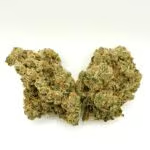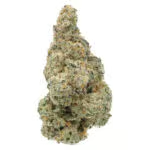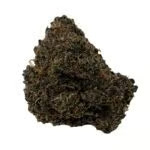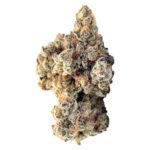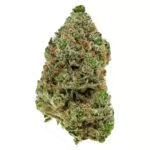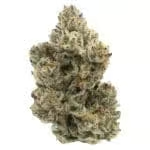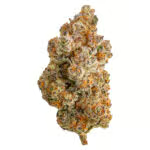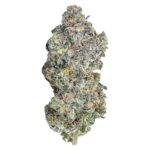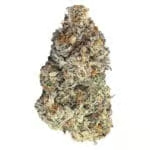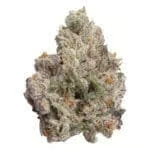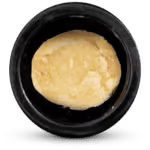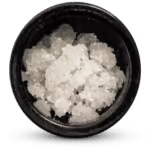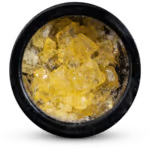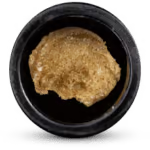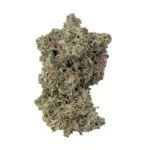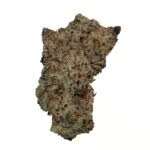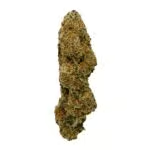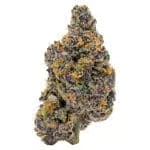
Craft cannabis is small-batch, hands-on flower, while commercial cannabis is large-scale production built for efficiency and steady supply. That difference shows up in aroma, price and what you should verify before buying. Dried flower made up nearly two-thirds of legal sales according to Statistics Canada, so it pays to check the COA, the terpene profile and the per-gram price.
TL;DR:
- Because craft has no legal definition, treat the label as marketing and verify the grower’s claims through the COA, package date, and flower itself.
- Read the COA for THC, CBD, terpene breakdown, and pesticide and heavy metal results; legal packages must also show potency information.
- Licensed producers of every size follow the same federal production, testing, packaging, and labeling rules; organic style practices and outside certifications are voluntary.
- Compare price per gram across pack sizes, since research found larger purchases cost less per gram and legal prices have fallen over time.
- Try a small craft pack before buying more, and use terpene details alongside THC because products with matching potency can still feel different.
Table of Contents
- 1. What craft cannabis means in practice
- 2. What commercial cannabis usually means
- 3. Production differences: scale, environment and hands-on attention
- 4. Post-harvest: drying, curing and trimming and their effects
- 5. Quality indicators you can verify: COAs, terpenes, moisture and regulatory signals
- 6. Price and market trends: craft premiums and dried flower’s share
- 7. How to choose between craft and commercial cannabis: a short checklist
- 8. How craft cannabis grew up inside the industry
- 9. Aroma, taste and effect: what the experience feels like
- 10. Regulatory compliance and certification: craft and commercial play by the same rules
- 11. Cultivation practices and environmental sustainability
- 12. Flavour profiles and varietal diversity: craft vs commercial
- 13. A note from Nick on putting this guide to work
- 14. Browse curated craft and commercial flower with us
- FAQ
- Sources
1. What craft cannabis means in practice
“Craft” describes how a grower works, and what you’ll notice in the jar is a result of that approach. It is a market and quality shorthand, rather than a formal production label, so the word on the package tells you about the brand’s framing, not a guarantee. To see how the term plays out on shelves, our guide on spotting real craft cannabis walks through the checks we use.
Here is what craft growers typically emphasize:
- Small batches: fewer plants per run, so each one gets individual attention.
- Hands-on care: pruning, training and inspection done by people, not only by systems.
- Terpene focus: growers often pick cultivars for flavour and aroma, not only for yield.
- Selective phenotype runs: a grower may keep the best expression of a strain and drop the rest.
- Artisanal framing: brands lean on the distinct quality of the flower to earn repeat customers.
Craft brands often let the flower do the talking. That makes your own checks matter more than any slogan.
2. What commercial cannabis usually means
Commercial cannabis is grown at scale. The priorities are yield, efficiency and a supply that shows up the same way every month. That isn’t a flaw. It’s a different goal, and for some shoppers it’s the right one.
Large licensed operations rely on automation and written standard operating procedures. Health Canada’s good production practices guidance expects licence holders to follow SOPs for cultivation, processing, packaging and testing, and big producers are well set up to document all of that.
What commercial flower can offer you:
- Lower per-gram prices: scale spreads costs across many more plants.
- Predictable potency: standardized processes tend to produce similar results batch to batch.
- Reliable availability: large runs mean your usual product is more likely to be in stock.
- Easy entry point: a steady, familiar product is handy when you’re still learning your preferences.
If you want a dependable everyday option and don’t chase nuance in aroma, commercial flower often does the job well.
3. Production differences: scale, environment and hands-on attention
Scale changes how much time a person can spend with each plant. A small craft room might have staff checking plants closely every day. A large facility spreads the same labour across far more plants, so it leans on systems and routine.
Here is how those differences usually play out:
- Labour per plant: craft growers can tailor care to each plant. Commercial teams standardize the care so the whole room performs the same way.
- Growing environment: craft is often grown indoors in small rooms, in greenhouses or outdoors, depending on the grower’s goals. Commercial sites commonly use large, controlled indoor or greenhouse space built for repeatable output.
- Plant-level technique: training and pruning shape light exposure and airflow, which can influence how buds form and how terpenes develop. Hands-on techniques are easier to apply when each plant gets individual attention.
- Selection: craft growers may hunt for a standout phenotype. Commercial growers tend to favour cultivars that yield consistently.
Pro Tip: Environment alone doesn’t make a product craft or commercial. Ask what the grower does differently, not just where the plants grew.

4. Post-harvest: drying, curing and trimming and their effects
Growing is only half the story. What happens after harvest can make or break the flower’s aroma and smoothness.
- Slow, controlled drying: a longer dry in a managed room helps preserve terpenes, the compounds behind aroma and flavour.
- Careful curing: time in sealed containers lets moisture settle evenly, which often reduces harshness and helps shelf life.
- Fast bulk drying: speeds throughput for big volumes, but it can blunt flavour if pushed too hard.
- Hand trim: gentler on the buds, usually better looking and better at keeping delicate terpenes intact. It also costs more labour, which shows in the price.
- Machine trim: quick and consistent, though it can knock off trichomes and leave a rougher bud shape.
None of this guarantees quality on its own. A rushed craft product can still disappoint, and a well-run commercial line can still deliver a pleasant jar. Use the jar’s smell, feel and the COA to judge it.
5. Quality indicators you can verify: COAs, terpenes, moisture and regulatory signals
You don’t have to trust a label blindly. A few checks work on any product, craft or commercial.
- Read the COA: look at THC and CBD numbers, the terpene breakdown and the contaminant results. Our terpene-rich cannabis guide explains how to use the terpene information to pick flower.
- Check dates: a harvest or package date tells you how fresh the jar is.
- Look at moisture and trim: buds should feel springy, not brittle or damp, and the trim should look clean.
- Check contaminant testing: pesticide and heavy metal results matter. Our explainer on heavy metal testing covers what labs look for.
- Know the label basics: Health Canada’s packaging and labelling rules require plain packaging, child-resistant containers, a standard health warning and THC and CBD information. Our label guide breaks it down, and the THC percentage guide helps with potency numbers.
A Canadian choice modelling study found that product characteristics such as potency, strain type and absence of pesticides are the most influential factors for consumers. In other words, the details on the COA matter more to buyers than convenience.
6. Price and market trends: craft premiums and dried flower’s share
Craft flower usually costs more, and the reasons are straightforward: more labour per plant, smaller runs and gentler handling after harvest. Commercial flower spreads those costs across large volumes, which is why it often wins on price per gram.
- Craft premium drivers: hand care, small batches, slower drying and curing, and hand trimming.
- Commercial price drivers: scale, automation and bulk handling.
- Bigger packs help: a 2025 study of self-reported prices found price per gram falls as purchase quantity rises, and that legal prices have decreased over time after starting higher than illegal prices.
- Perceptions are improving: a repeat cross-sectional study found Canadians’ views of legal cannabis quality improved over time while the price gap with illegal products narrowed.
Dried cannabis accounted for 64.9% of total legal cannabis sales in the 2022/2023 fiscal year. Flower is still the centre of the legal market, which is why quality differences in flower matter so much.
7. How to choose between craft and commercial cannabis: a short checklist
Start by deciding what you care about most: flavour, price or consistency. Craft tends to suit flavour seekers. Commercial tends to suit budget and consistency. Then run this checklist:
- Read the COA for potency, terpenes and contaminant results.
- Check the harvest or package date so you know how fresh it is.
- Inspect the jar and the trim for clean cuts, a good smell and the right springiness.
- Ask about curing and pest control if the retailer can answer.
- Compare the per-gram cost across pack sizes, since larger sizes often cost less per gram.
When does the extra spend for craft worth it? Special occasions, trying a distinctive terpene profile, or exploring different phenotypes are good reasons. For everyday use, a well-tested commercial product can be perfectly sensible. Our guide to strain types can help you narrow your picks.
Pro Tip: Buy a small pack of a craft product first. If the aroma and smoothness impress you, then consider the bigger size.
8. How craft cannabis grew up inside the industry
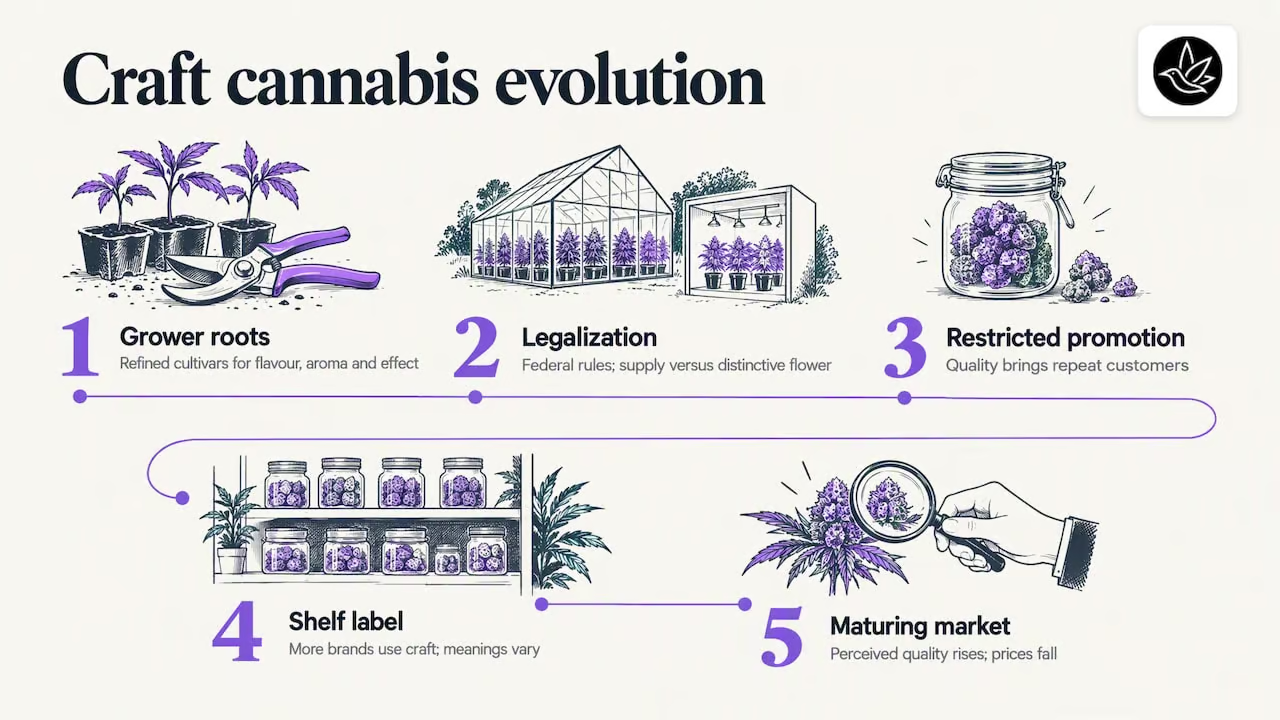
Craft cannabis has roots long before legalization, when small growers selected and refined cultivars for flavour, aroma and effect. Those growers cared about the plant first and the volume second. When legal markets opened, many of those habits carried over, and “craft” became the word for flower grown with that mindset.
Legalization also changed the game. Licensed producers now operate under federal rules, and the market quickly split into two broad styles: high-volume operations aiming for steady supply and smaller producers aiming for distinctive flower. Craft brands found that in a market where promotion is restricted, quality is their best advertisement. Repeat customers come from a jar that smells and tastes memorable.
Over the years, the label has become more common on shelves, which is exactly why we encourage you to verify it. Because brands use “craft” in different ways, it can mean different things to different brands. Some use it for truly small, hand-finished batches. Others use it more loosely. That’s why the checks above, the COA, the dates and your own nose, matter so much.
The story is still moving. Consumer perceptions of legal product quality have improved, and prices have come down from where they started. As the market matures, shoppers are asking sharper questions about how flower was grown and finished, and that pressure tends to reward growers who do the work well, big or small.
9. Aroma, taste and effect: what the experience feels like
Quality is only part of it. The day-to-day experience also differs, and it’s worth knowing what to expect.
Aroma and taste. Craft flower may have a distinct, layered smell, with notes such as citrus, pine, fuel, berry or spice. Commercial flower can smell pleasant too, and aroma can vary from batch to batch.
Smoothness. A slow cure may mean a gentler draw and less harshness. Fast, bulk-dried flower can feel rougher, though a well-run commercial line can still deliver a smooth product.
Effect nuances. Experienced users often weigh terpene profiles and moisture alongside THC when judging quality. Two products with the same THC number can feel different, and many people point to terpene makeup as part of the reason. Effects also depend on your own tolerance, dose and setting, so treat any product description as a guide, not a promise.
Consistency. Here commercial often wins. If you like the same experience every time, a standardized product is reassuring. Craft batches can vary a bit more because each run is its own small project.
If you’re new, start low and go slow. Our guides on THC percentage labels and edible dosing can help you pick a comfortable starting point.
10. Regulatory compliance and certification: craft and commercial play by the same rules
Here’s the key point: craft and commercial licensed producers answer to the same federal framework. A small producer isn’t exempt from the rules because it’s small, and a large producer isn’t held to a higher legal standard because it’s large.
Health Canada’s good production practices guide expects licence holders to follow SOPs for cultivation, processing, packaging and testing. Packaging and labelling follow the same Health Canada rules for everyone: plain packaging, child-resistant containers, a standard health warning and THC and CBD content. Health Canada also publishes composition requirements that licence holders must follow for their product class.
Health Canada runs its own Cannabis Laboratory to support compliance and monitoring, and a data gathering program that compares legal and illicit products.
So what separates the two? Mostly documentation and extras. Large producers often have big quality teams. Some craft producers add voluntary practices on top, such as organic-style growing or third-party certifications, but those are choices, not legal categories. Always check that the product comes from a licensed source and that the COA and label are complete.
11. Cultivation practices and environmental sustainability
Neither style is automatically greener. Sustainability depends on how a specific operation runs, not on whether it’s called craft or commercial.
Indoor growing uses a lot of energy for lighting, climate control and ventilation, and that’s true of small rooms and big facilities alike. Larger sites can sometimes spread that energy cost across more product and invest in efficient systems. Smaller craft operations may use less equipment overall, and some choose greenhouse or outdoor growing, which leans on natural sunlight and can reduce lighting demand.
Pest management matters too. Experienced consumers often care about cultivation practices such as avoiding synthetic pesticides, and the CCSA study found pesticide-free products rank among the most influential factors for buyers. Water use, packaging waste and nutrient runoff are other areas where growers can make better or worse choices.
What can you do as a shopper?
- Ask about practices: growers who care usually like to talk about how they grow.
- Look for specifics: concrete details such as growing method or integrated pest management say more than vague green slogans.
- Check the COA: contaminant testing is a useful safety signal.
Treat sustainability claims like any other: look for detail and for proof, not just a nice word on the jar.
12. Flavour profiles and varietal diversity: craft vs commercial
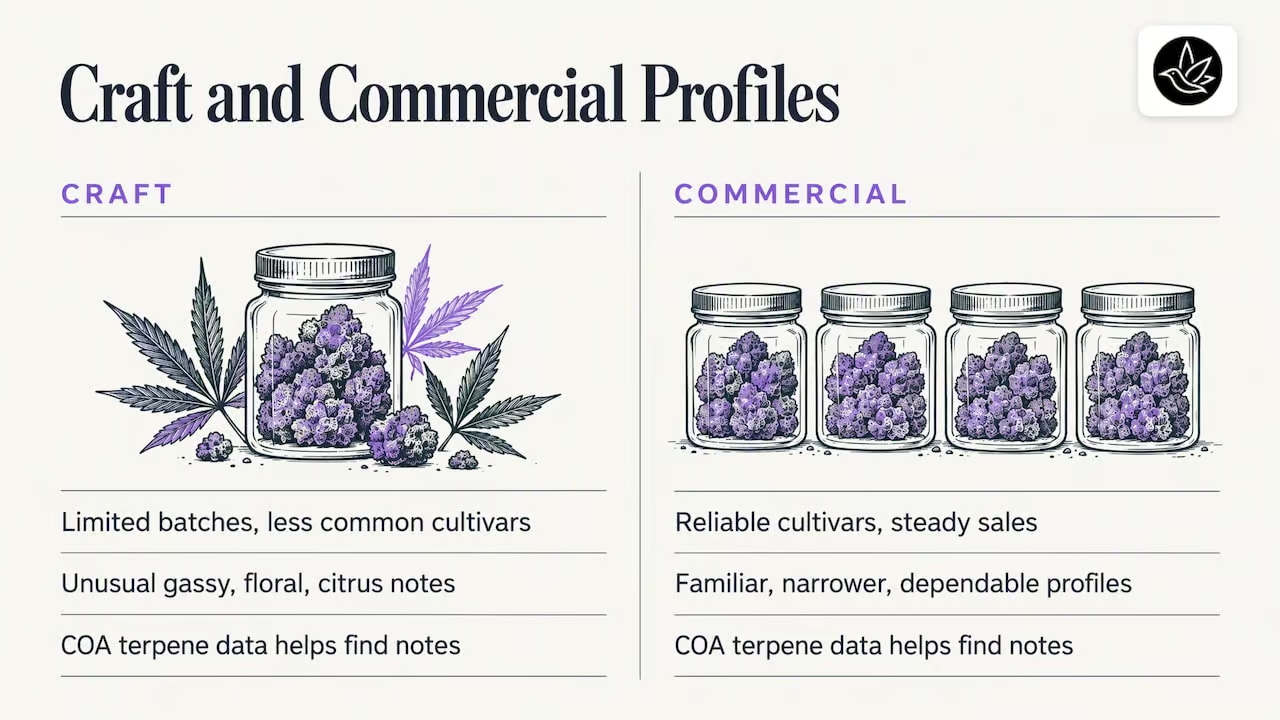
Variety is where craft often shines. Small growers can run limited batches, hunt for standout phenotypes and bring less common cultivars to market. That means more unusual flavour profiles: gassy, dessert-like, floral or sharp citrus notes you may not find in a high-volume lineup.
Commercial producers tend to focus on cultivars that grow reliably and sell steadily. You’ll often see familiar strains in familiar profiles, which is a plus if you like knowing exactly what you’re getting. The range is narrower, but it’s dependable.
Terpenes are the link between the two. These aromatic compounds shape what you smell and taste, and the COA’s terpene breakdown shows you which ones lead. If you enjoy a particular terpene, such as a citrusy or earthy one, you can use the COA to hunt for it across both craft and commercial products. Our terpene guide shows how.
Strain type matters as well. Indica, sativa and hybrid labels are a starting point, but they don’t tell the whole story, so pair them with terpene data. Our strain types guide explains the basics.
For explorers, craft may be the more adventurous path. For people who like routine, commercial may be the more predictable one. Many customers keep both styles on hand.
13. A note from Nick on putting this guide to work
Here’s my take: don’t pick a side, pick a method. The label “craft” or “commercial” matters less than whether the product holds up when you read the COA, check the date and smell the jar. At Montrose Cannabis we care about COA transparency, because we want you to shop with proof in hand, not just a good story. Use the checklist above next time you browse, and dig into our COA and terpene guide if you want to go deeper.
— Nick
14. Browse curated craft and commercial flower with us
Ready to put the checklist to work? We carry a curated mix of craft and everyday options, and you can compare them side by side in one place:
- Flower, pre-rolls, vapes and more: the full range is in our shop.
- Curated craft selections: picked with quality and compliance in mind.
- Local delivery: available in Durham Region and the GTA.
Open the product pages, look at the terpene information and COA details, and pick what fits your taste and budget.
FAQ
Is craft cannabis better than commercial cannabis?
Not automatically. Craft often delivers more distinctive aroma and flavour, while commercial often delivers lower prices and consistency. The right choice depends on what you value, so check the COA either way.
What is considered craft cannabis?
There is no legal definition. “Craft” usually means small-batch, hands-on production with careful drying, curing and trimming. Because the term isn’t regulated, verify quality with lab results and your own senses.
How do I tell if a product is good quality?
Read the COA for potency, terpenes and contaminant results, check the harvest or package date and inspect the buds. Health Canada’s labelling rules require THC and CBD information on every legal package.
Why does craft cannabis cost more?
It takes more labour per plant, runs in smaller batches and often involves slower drying, curing and hand trimming. Those costs are spread across fewer grams, which raises the price.
Do craft and commercial producers follow the same rules?
Yes. Licensed producers of every size follow Health Canada’s good production practices and the same packaging and labelling requirements.
Sources
- A choice modelling study to explore Canadian consumer preferences for attributes of cannabis products and purchase experiences | Canadian Centre on Substance Use and Addiction
- Cannabis consumption in Canada – Statistics Canada
- Consumer perceptions of legal cannabis products in Canada, 2019–2021: a repeat cross-sectional study | BMC Public Health | Springer Nature Link
- Canada
- Canada
- Self‐Reported Cannabis Prices and Expenditures From Legal and Illegal Sources Five Years After Legalisation of Non‐Medical Cannabis in Canada