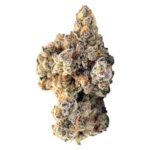
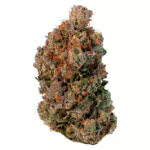
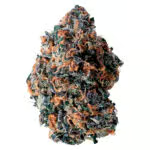
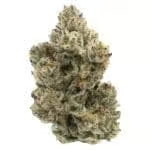
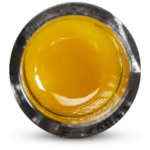
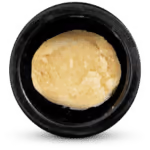
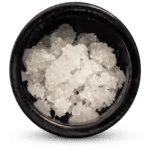
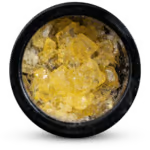
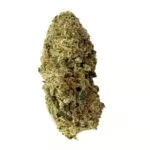
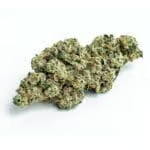
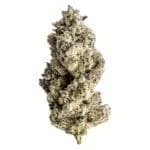
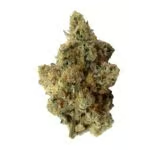
CBC, short for cannabichromene, is a minor cannabinoid found in the cannabis plant. It is generally described as non-intoxicating, so it doesn’t produce the high you get from THC. It’s also one of the least studied of the well-known cannabinoids. Most of what we know about its effects comes from lab and animal work, not from trials in people. Below, we explain what CBC is, how it compares with THC, CBD, CBG and CBN, what researchers have found so far, and what that means if you shop for cannabis in Canada.
TL;DR
- CBC (cannabichromene) is a minor cannabinoid that’s generally described as non-intoxicating. It isn’t the compound behind a THC-style high.
- Research is early. Preclinical studies suggest anti-inflammatory, antimicrobial, antidepressant and anticonvulsant potential, but human evidence is missing.
- Health Canada has not authorized cannabis products to treat any specific disease or symptom, and that includes CBC.
- Bottom line: treat CBC as an interesting ingredient, not a proven remedy. Talk to a health care professional before using it for a medical reason.
Table of Contents
- What CBC actually is
- How CBC differs from THC and CBD
- CBC effects: what you can realistically expect
- What researchers have studied
- Is CBC safe?
- Is CBC legal in Canada?
- How to find CBC products
- Where Montrose fits
- Our perspective on CBC
- FAQ
- Sources
What CBC actually is
The cannabis plant makes well over a hundred cannabinoids. THC and CBD get nearly all the attention. The rest are called minor cannabinoids, and CBC sits in that group alongside CBG and CBN.
CBC is a chemical cousin of the better-known compounds. Like the others, it starts out in the plant in an acidic form and changes with heat and time. It is also sensitive to light. A 2026 review in the Journal of Cannabis Research notes that UV light can break CBC down into another compound called cannabicyclol (CBL). In practical terms, that is one more reason cannabis products belong in a cool, dark place.
The same review calls CBC high-potential but critically understudied. The authors point out that the heavy focus on THC and CBD has left a real gap in our knowledge of minor cannabinoids. So when you see a bold claim about CBC online, it’s worth asking what study sits behind it.
How CBC differs from THC and CBD
The big difference is how each compound acts in your body. THC is the intoxicating one. CBD is non-intoxicating and has a much larger research record. CBC is also generally described as non-intoxicating, but it has a very small research record.
Research gives us a few clues about CBC’s mechanisms. A 2024 overview of phytocannabinoids reports that CBC activates TRPA1, TRPV3 and TRPV4 channels. These are receptors involved in sensations like temperature and pain signalling. That’s a different route from the one THC takes, and it’s one reason researchers find CBC interesting.
Here’s a quick comparison:
| Cannabinoid | Intoxicating? | Research depth | Where you’ll see it |
|---|---|---|---|
| THC | Yes | Deep | Most flower, edibles, vapes, extracts |
| CBD | Generally no | Deep | Oils, capsules, CBD flower, topicals |
| CBG | Generally no | Early | Minor cannabinoid products |
| CBN | Mild at most, mainly discussed for sleep | Early | Sleep-focused edibles and oils |
| CBC | Generally no | Very early | Minor cannabinoid blends, some extracts |
If you’d like to read about the neighbours, we’ve covered what the science says about CBG and what the evidence shows on CBN for sleep. Both pages are in French, and the topics will help you place CBC in the bigger picture. For the cannabinoid people ask about most, see our page on what the evidence supports for CBD products.
CBC effects: what you can realistically expect
This is the question most readers really have. Here’s the honest answer: nobody can tell you precisely how CBC will feel, because there are no solid human studies that measure it on its own.
What we can say:
- It’s not known for a THC-style high. CBC is generally described as non-intoxicating. You shouldn’t expect the head change you’d get from THC.
- Online descriptions are anecdotal. You’ll see people describe a light, clear or calm feeling. Those are personal reports, not controlled findings, and they usually come from products that contain several cannabinoids at once.
- Blends muddy the picture. If a product has CBC plus THC, CBD and terpenes, you can’t know which compound caused what you felt. That’s the so-called entourage idea, and it’s still being studied.
So if you try a product with CBC, go in curious and keep notes. Write down the product, the amount, the time and how you felt. Start low, and give each dose time before you take more.
What researchers have studied
The lab results are the reason CBC has any buzz. The 2024 review, The Potential of Cannabichromene (CBC) as a Therapeutic Agent, summarizes preclinical studies suggesting anti-inflammatory, antimicrobial, antidepressant and anticonvulsant effects. The same authors state that further studies are needed to confirm whether CBC can treat any disease.
Two words matter there: preclinical and potential. Preclinical means cells and animals. Potential means “maybe.” Here’s why the gap between the two is wide.
Animals aren’t people
An evidence review from Australia’s Sax Institute warns that animal-to-human dose extrapolations have major limits. Effects seen in animals may not carry over, and a human dose may be very different. The same document estimates that an anti-inflammatory oral dose of CBC for a 60 kg adult might be around 35 mg, based on animal studies, and says that figure shouldn’t be used to set limits in hemp food products. Treat that number as a research estimate, not as a recommended dose.
Getting it into the body is hard
Pharmacokinetic studies show CBC has notably low oral bioavailability, which the research flags as a major barrier to therapeutic use. In plain words, when you swallow it, not much of it may reach your bloodstream. That’s one reason scientists are watching delivery methods and formulations closely.
Human trials are only starting
A US registry entry for a CBC safety study in rheumatoid arthritis shows how early things are. According to the listing, the study never began recruiting because of insufficient preclinical evidence, which led to an FDA clinical hold. One stalled trial doesn’t close the door on CBC. It does show that the field is still building its foundation.
Is CBC safe?
Honestly, we don’t know enough yet. The 2024 review authors say additional human pharmacokinetic and safety data are needed because evidence on CBC is limited. Health Canada also notes that commercial CBC products are sold over the counter in some markets but lack rigorous safety or efficacy evidence in humans.
Some practical points follow from that:
- Check the label. Look for the THC and CBD amounts and the licensed producer’s name. In Canada, legal products carry standardized labels. Our 2026 guide to THC limits, labels and laws walks through how to read them.
- Be careful if you’re on medication. Interactions with CBC haven’t been well mapped. Ask your pharmacist or physician before combining it with prescriptions.
- Skip it if you’re pregnant, nursing or under 19 (the legal age in Ontario).
- Think about how you take it. If a product is smoked, the Canadian Centre on Substance Use and Addiction notes that evidence linking cannabis smoking to stroke, heart attack and artery inflammation is limited and unclear, partly because tobacco co-use and variation in strength complicate the research. Our comparison of vaping versus smoking covers the trade-offs.
If you’re thinking about CBC for pain, mood, seizures or any other health issue, see a doctor or nurse practitioner first. Don’t swap it in for treatment you already use.
Is CBC legal in Canada?
CBC is a phytocannabinoid, and in Canada, cannabis products are regulated under the Cannabis Act and its regulations, whatever cannabinoids they contain. In practice, that means you buy products from licensed producers and retailers, with the labelling and potency rules that apply to them. The Cannabis Regulations are the official text if you want the detail.
CBC is also on the radar of regulators outside cannabis retail. As of May 2026, the Canadian Food Inspection Agency lists certain hemp varieties edited for higher CBC levels as non-novel, based on their safety and use being equivalent to varieties already in Canada. It’s a technical plant-breeding ruling, but it shows that CBC-rich hemp is an area where growers are actively working.
A word of caution about the market: CBC is not as common on shelves as THC or CBD, and the amounts are often small. Don’t assume a product contains meaningful CBC unless the label says so with a number.

How to find CBC products
Here’s how we’d shop if we were new to CBC:
- Start with a product you already understand. If you like CBD products, a CBD flower or oil that also lists minor cannabinoids is an easy first step.
- Read the full cannabinoid panel. Producers who list CBC, CBG and CBN with real numbers are showing you their work.
- Buy small. A small format lets you learn how you react before you commit.
- Store it properly. Because CBC is light-sensitive, keep it in its original container, away from sunlight.
- Ask questions. A good retailer will tell you what’s known and what isn’t.
We’ve written a separate page about minor cannabinoids in Canada, covering CBN, CBG and CBC. If you want a CBD-forward option, our premium CBD flower from WholeHemp is one place to look.
Where Montrose fits
We’re an online cannabis retailer serving Durham Region and the GTA with one-hour delivery, and we offer medical orders Canada-wide. Our shop covers flower, pre-rolls, vapes, extracts, edibles, drinks and CBD, plus accessories. Product pages show the details that matter, so you can compare cannabinoid content before you buy. Customers have given us a 4.9-star Google rating, and it’s something we work hard to keep.

If you want help picking something, browse the full Montrose shop and look at the cannabinoid breakdown on each product page. We’ve also got weekly product drops, so new craft options turn up often.
Our perspective on CBC
We get asked about minor cannabinoids all the time, and CBC is climbing the list. Here’s how we see it.
First, we’re excited about it. The lab work is interesting, and we like that CBC acts through different pathways from THC. But excitement isn’t evidence. The research on CBC in people is thin, and we won’t tell you it treats anything. Health Canada hasn’t authorized any cannabis product for a specific disease, and we keep that in mind in everything we write.
Second, we think labels matter more than buzzwords. A product that says “CBC” on the front but gives no number on the back isn’t telling you much. We’d rather you look at the actual THC and CBD amounts, check the producer, and choose something that fits your comfort level.
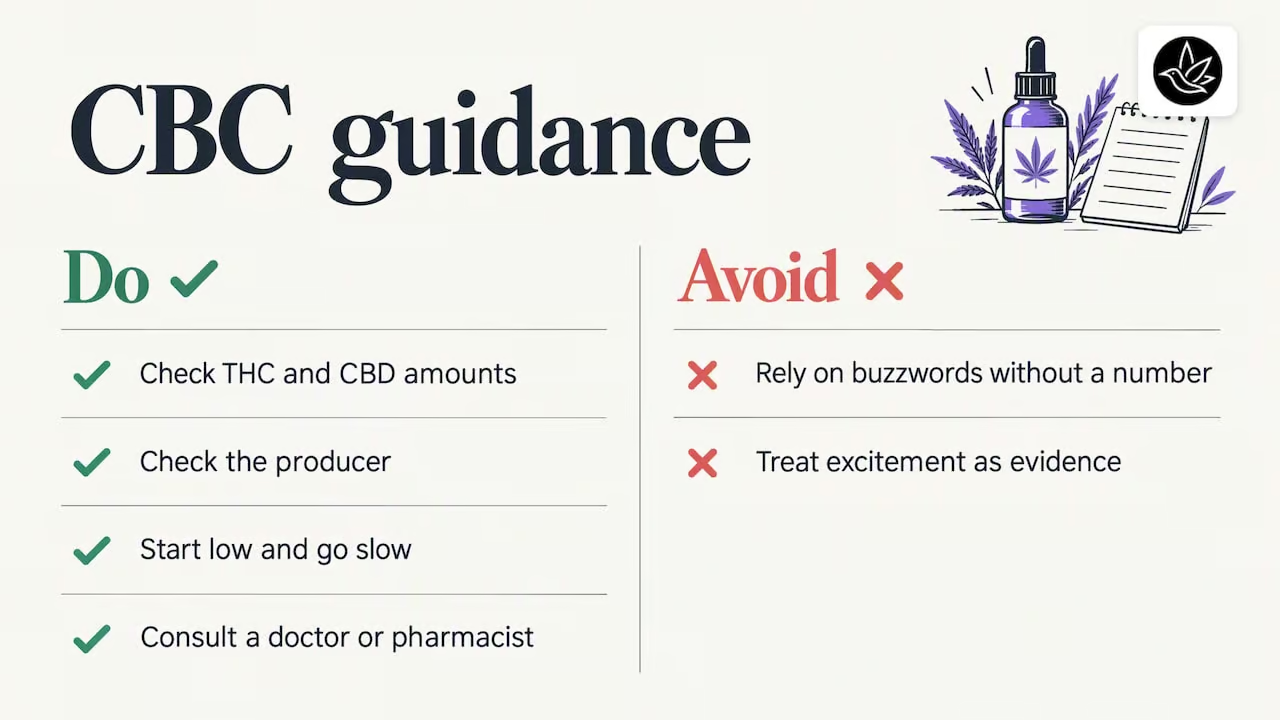
Third, we believe in starting low and going slow. That goes for anything new, and it goes double for compounds that haven’t been studied much. If you’re using cannabis for a health reason, bring your doctor or pharmacist into the conversation.
Our job is to make good cannabis easy to get, and to give you straight information while we do it. Questions about CBC, CBG, CBN or anything else? Ask us. We’ve got you covered.
— Nick
FAQ
What is CBC cannabinoid in simple terms?
CBC is short for cannabichromene, a minor cannabinoid made by the cannabis plant. It’s generally described as non-intoxicating, so it isn’t the compound that causes a THC high. Research on it is still early, mostly in labs and animals.
What are the effects of CBC?
No one can say for sure, because there are no robust human studies on CBC alone. Preclinical work points to possible anti-inflammatory, antimicrobial, antidepressant and anticonvulsant activity, but that hasn’t been confirmed in people. Personal accounts of feeling calm or clear are anecdotal.
How does CBC compare to CBD?
Both are generally described as non-intoxicating, and both are being studied for similar areas such as inflammation. The main difference is the research record: CBD has far more, including human data, while CBC is just getting started. CBC also appears to act on different receptors, such as TRPA1, TRPV3 and TRPV4.
Does CBC get you high?
CBC isn’t known for producing a THC-style high. That said, products often combine several cannabinoids, so check the THC amount on the label if you want to avoid intoxication.
Is CBC a medicine?
No. Health Canada has not authorized cannabis products to treat any specific disease or symptom. If you want to try CBC for a medical reason, speak with a doctor or nurse practitioner first.
Sources
- The Potential of Cannabichromene (CBC) as a Therapeutic Agent
- Cannabis-Based Phytocannabinoids: Overview and Mechanisms
- Cannabichromene (CBC): a comprehensive review, Journal of Cannabis Research
- Health Canada: Cannabis for medical purposes, general information
- Sax Institute: Pharmacological actions and associated therapeutic levels of phytocannabinoids
- CBC safety in rheumatoid arthritis trial listing (NCT07087938)
- CCSA: Clearing the Smoke on Cannabis, respiratory and cardiovascular effects
- Cannabis Regulations (SOR/2018-144)
- CFIA: List of non-novel products of plant breeding