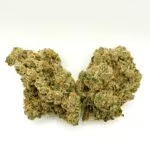
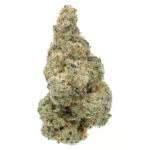
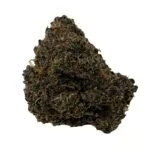
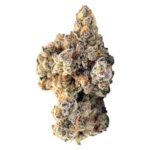
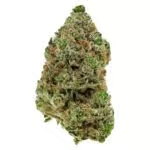
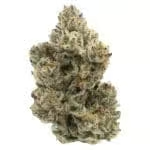
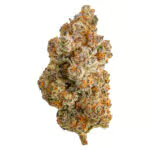
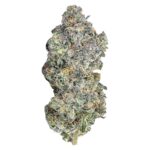
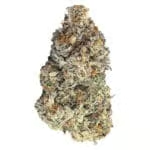
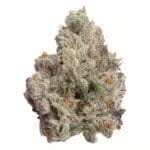
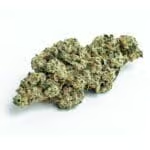
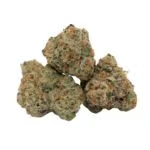
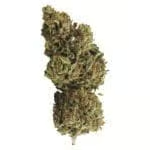
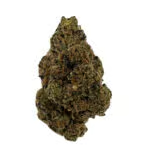
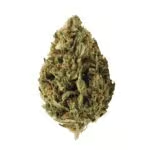
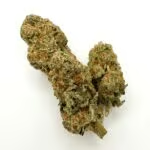
Terpinolene is a terpene known for a fresh, piney, slightly sweet aroma, and it has a reputation for “uplifting” cannabis. That reputation comes mostly from shopper lore and strain folklore. In humans, nobody has shown that terpinolene on its own creates a particular effect. What you can say with confidence is what it smells like, which strains tend to carry it, and how to find it on a label. This guide covers all of that, plus what the research does and doesn’t support.
TL;DR
- Terpinolene is an aromatic compound with a woody, piney, sweet, sometimes “paint thinner” scent. It is dominant in only a minority of cannabis strains.
- It is often linked to energetic, clear-headed, daytime experiences. Health Canada says there is no verified clinical evidence that terpenes steer specific effects in humans.
- Animal and lab studies hint at calming and antioxidant properties. None are confirmed in human trials.
- The practical use: treat it as a flavour and aroma marker, check the lab report, start low and keep notes on what works for you.
Table of Contents
- What terpinolene is
- What it smells and tastes like
- What does terpinolene do? The reputation vs the evidence
- Terpinolene strains: what to look for
- How to read a label or COA for terpinolene
- How terpinolene fits with other terpenes
- Our take: use terpinolene as a flavour guide, not a promise
- Safety and side effects
- Shop for aroma-forward flower with us
- Frequently asked questions
- Sources
What terpinolene is
Terpenes are aromatic compounds made and stored in the trichomes of the cannabis plant, alongside the cannabinoids. Health Canada describes them as the chemicals that give cannabis its distinctive smell and taste.
Terpinolene is one of dozens you may see on a lab report. It isn’t unique to cannabis. The Ontario Cannabis Store notes it also shows up in sage, rosemary, apples and tea trees. That’s useful context: this is a familiar plant compound, and its presence on a label is a marker of a strain’s profile, not a warning sign.
If you’re new to how these compounds work in general, our short explainer on why cannabis smells different is a good starting point.
What it smells and tastes like
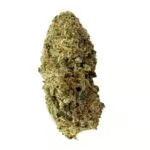
The aroma is the most reliable thing about terpinolene. The OCS describes a smoky, woody, pine profile, and enthusiasts often add a sweet, turpentine or paint-thinner note that sets it apart from the earthier or floral profiles of other major terpenes.
In practice, here’s what people tend to notice when they crack a jar:
- Fresh pine needles and herbs
- A sweet, slightly citrusy lift
- A sharp, almost solvent-like edge in some cuts
If you like bright, crisp aromas over heavy, earthy or dessert-like ones, terpinolene-forward flower is worth trying. That’s the honest pitch, and it’s the one thing a nose can confirm.
What does terpinolene do? The reputation vs the evidence
Search results and strain guides repeat the same story: terpinolene is energizing, good for focus and creativity, and best for daytime. Some forum users say very high amounts can feel sedating. Those are personal reports, not findings.
Here is what the more careful sources say.
What Health Canada says
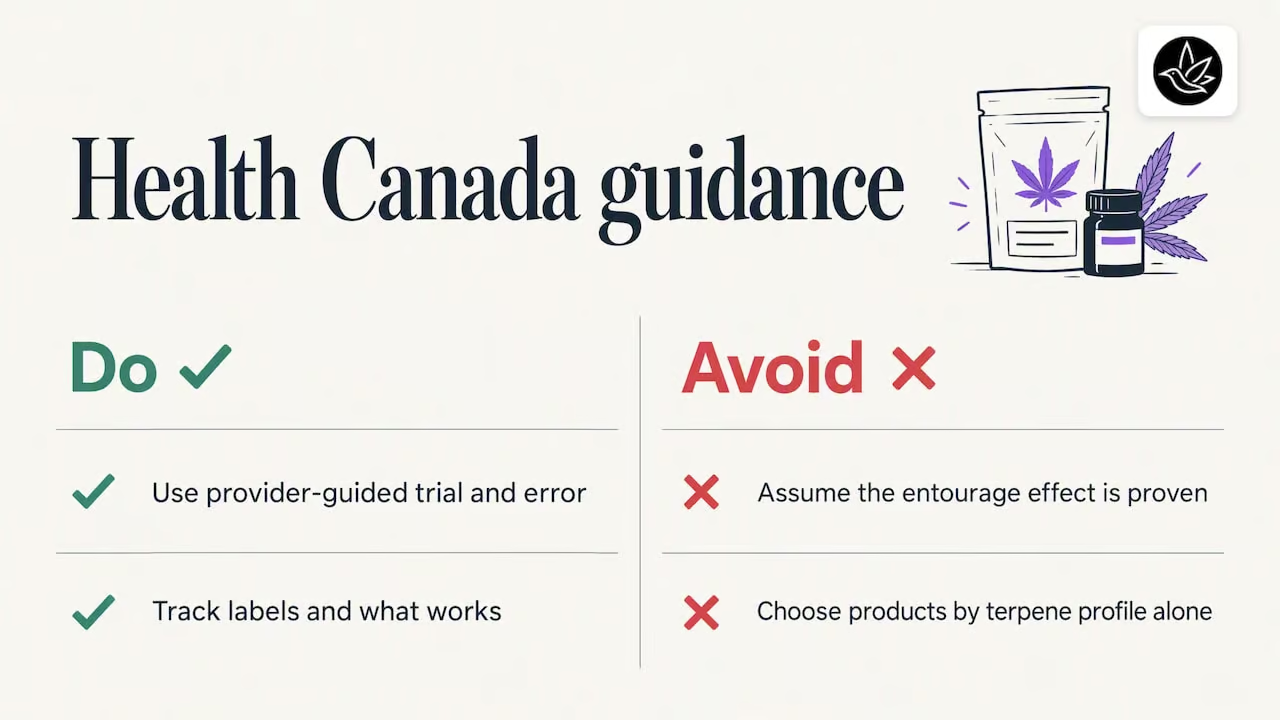
Health Canada’s guidance for health care professionals says that relatively little is known about the pharmacological actions of compounds beyond the main cannabinoids, terpenes included. The same page treats the “entourage effect” as a hypothesis, and cautions against marketing that promises particular outcomes based on terpene content alone.
For people choosing a product, Health Canada’s medical cannabis guidance says there isn’t enough scientific evidence to recommend products based on terpene profiles for health conditions. It encourages trial and error with a health care provider, and points to label information such as cannabinoid concentration, and sometimes terpenes, to help you track what works.
What the studies show
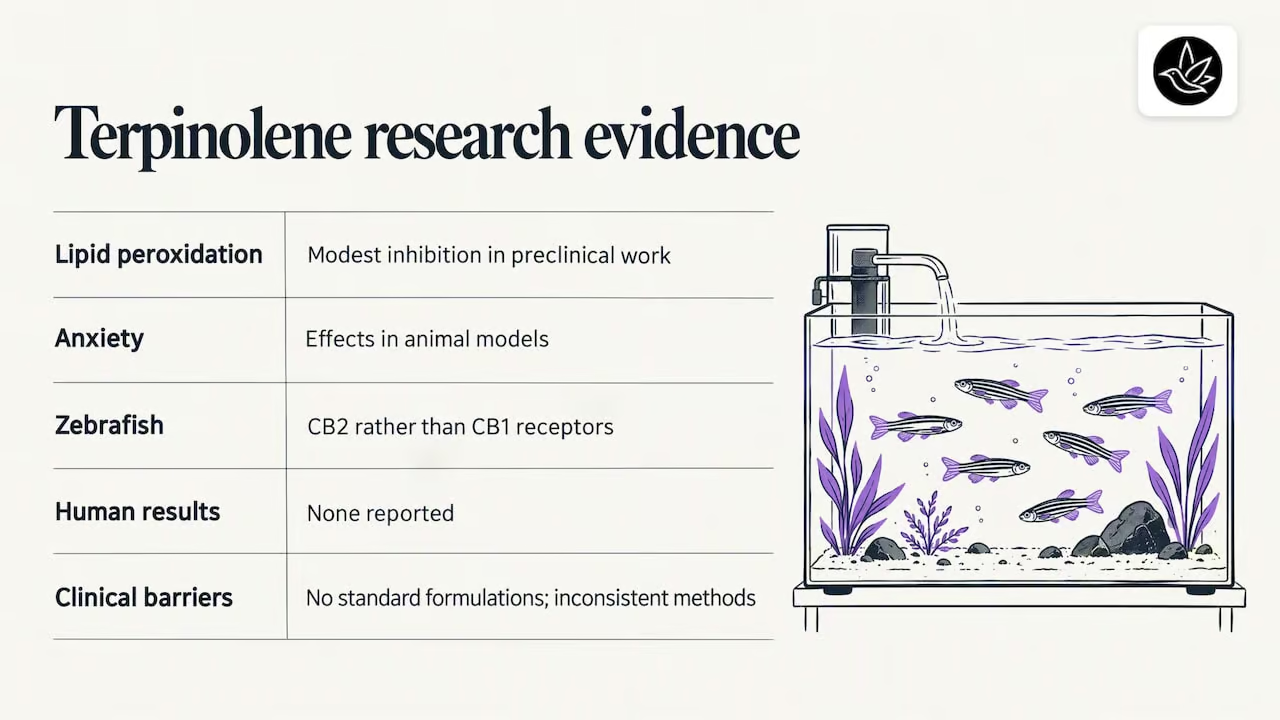
A 2024 review of the entourage effect describes preclinical work on terpinolene, including modest inhibition of lipid peroxidation, which is linked to possible neuroprotective properties, and anxiolytic (anxiety-reducing) effects in animal models. Zebrafish research suggests the anxiolytic effect may run through CB2 receptors rather than the CB1 receptors tied to THC’s psychoactivity.
Those are interesting leads. They are not human results. The same review notes that moving from lab to clinic is held back by a lack of standardized formulations and by inconsistent methods.
So is terpinolene “uplifting”?
Maybe, for some people, in some products. A 2023 study of cannabis users found that common chemovars (specific cannabinoid and terpene combinations) differed in perceived effectiveness for things like pain or anxiety, but that experiences were highly individual. Some combinations were also linked to more reports of negative side effects.
The most defensible summary:
| Claim you’ll see | What supports it |
|---|---|
| Smells piney, woody, sweet | Well established, easy to check with your nose |
| Energizing, focused, creative | Anecdote and strain reputation, not clinical evidence |
| Calming or anti-anxiety | Animal studies only |
| Antioxidant | Lab and preclinical findings |
| Boosts or changes THC’s high | Unproven in humans |

Terpinolene strains: what to look for
Terpinolene is dominant in a minority of strains. The OCS points to sativa-dominant or hybrid cultivars such as Durban Poison and Ghost Train Haze. Jack Herer and other Haze-type cultivars come up often too. The OCS lists a Jack Herer product with the standard caution that everybody reacts differently, depending on strain, potency and method of consumption.
A few pointers when you shop:
- Don’t trust the name alone. The same strain name can test very differently from one grower or batch to the next. Our guide to reading the COA, not the name walks through this.
- Terpinolene is often a secondary terpene. In many craft and infused products it sits behind caryophyllene or limonene, so look at the top three on the report.
- Indica, sativa and hybrid labels are loose guides. See what actually predicts the high.
- Freshness matters. Terpenes are volatile, so a jar that smells flat probably isn’t showing its profile.
How to read a label or COA for terpinolene
Legal cannabis in Canada is sold with labelling that gives you the cannabinoid content, and many producers publish lab results with terpene data. Here’s a simple routine.
- Find the certificate of analysis (COA) or the product page’s terpene listing.
- Look at the top three terpenes by percentage. Is terpinolene among them?
- Check total terpene content. Our terpene-rich cannabis guide explains how to use the top three to compare jars.
- Compare THC to terpenes with this COA walkthrough. Potency and terpene content are two different dials.
- Smell it if you can, or read the grower’s tasting notes.
One trap: a high terpene number doesn’t mean a stronger or better product. It means a more aromatic one.
How terpinolene fits with other terpenes
Terpenes show up in combinations, and that’s why a single one rarely tells you much. Some neighbours you’ll often see next to it:
- Myrcene is common and often described as earthy. Read what myrcene does.
- Limonene is citrusy, with its own mood and safety discussion in our limonene guide.
- Caryophyllene has a peppery profile, covered in our caryophyllene guide.
Whether these combinations actually change how you feel is the entourage-effect question. We lay out what it really means for your choices in a separate article, and there’s a French version as well.
Our take: use terpinolene as a flavour guide, not a promise
We talk to a lot of shoppers who ask for “the energetic one”. Here’s how we see it.
The most dependable thing a terpene tells you is what you’ll taste and smell. That’s real, and it matters, because you’re more likely to enjoy and return to a product you like the flavour of. So if you love bright, piney, hazy aromas, terpinolene-forward flower is a good thing to look for, and we’re happy to point you to craft options with detailed product information.
What we won’t do is tell you a terpene will make you focused, creative or calm. Health Canada is clear that the evidence isn’t there yet, and the research shows experiences vary a lot from person to person. Dose, THC level, how you consume, your tolerance, your mood and what you’ve eaten all play a role.
Our advice is simple:
- Start low and go slow, especially with a new cultivar.
- Change one thing at a time: one product, one method, one dose.
- Write down the product, the top terpenes, how much you used and how you felt.
- After a few tries, you’ll know whether piney, hazy profiles work for you.
- If you’re using cannabis for a health reason, talk to your health care provider before you make changes.
That’s the same trial-and-track approach Health Canada suggests, and it’s the one that holds up.
— Nick
Safety and side effects
Terpenes are natural compounds found in everyday foods and herbs, and they aren’t inherently harmful. Health Canada makes the point that their presence isn’t an indicator of medicinal safety or risk either way. The things that more reliably affect how a session goes are the usual ones:
- THC dose. Too much can cause anxiety, a racing heart or dizziness, whatever the terpene profile.
- Method. Inhaled effects come on fast. Edibles take longer and can hit harder, which is why we suggest starting at 2.5 mg and reading about how long edibles take to kick in.
- Your own body and history. If you have a heart, mental health or pregnancy-related concern, or take other medication, ask your doctor or pharmacist before using cannabis.
If you want to compare inhaling methods, see our piece on vaping vs smoking.
Shop for aroma-forward flower with us
If you’d like to try a terpene-forward profile, browse the Montrose Cannabis shop for flower, pre-rolls, vapes, extracts, edibles, drinks and CBD. We offer one-hour delivery in Durham Region and the GTA, and our product pages carry the details you need to compare. You can also see what’s on offer from Haze, one of the brands we carry. Must be of legal age, and delivery is for adults only.
Frequently asked questions
What does terpinolene do?
It gives cannabis a piney, woody, sweet aroma, and that’s the part we know for sure. Some users describe uplifting, mentally active effects. Studies in animals suggest possible calming and antioxidant properties, but these haven’t been confirmed in human trials.
Which strains have terpinolene?
The OCS names Durban Poison and Ghost Train Haze as examples, and Jack Herer and other Haze-type cultivars are often linked to it too. Chemistry changes between growers and batches, so check the COA or product listing instead of relying on the strain name.
Is terpinolene a sativa terpene?
It’s often found in sativa-dominant or hybrid strains, but there’s no clean rule. Indica and sativa labels are weak predictors of effect, and the terpene profile of a specific batch tells you more about aroma than about how you’ll feel.
Is terpinolene safe?
Terpinolene is found in common plants like apples, sage and tea trees, and terpenes aren’t inherently harmful. Safety with cannabis depends mostly on THC dose, method and your own health. Talk to a health care provider if you have medical conditions or take medications.
Does terpinolene make THC stronger?
There’s no robust clinical evidence that it does. The entourage effect is still considered a hypothesis by Health Canada, so treat claims that a terpene boosts the high with caution.
Sources
- About cannabis, Health Canada
- Ask A Bud: Shopping by Terpenes, Ontario Cannabis Store
- For health care professionals: Cannabis and cannabinoids, Health Canada
- Cannabis for medical purposes: Choosing a cannabis product, Health Canada
- The Entourage Effect in Cannabis Medicinal Products: A Comprehensive Review, PMC
- Vigil Index of Cannabis Chemovars study, PMC
- Jack Herer, Ontario Cannabis Store
- Cannabis odours control, Health Canada