Vaping cannabis is generally less harmful to your lungs than smoking it, because it avoids the combustion that creates tar and carbon monoxide, but “less harmful” doesn’t mean “harmless.” Health Canada and a peer-reviewed review both back that up, and Montrosecannabis carries regulated dry-herb vaporizers as a lower-risk option for anyone inhaling. If you’re going to smoke or vape, start low, go slow, and pick tested, regulated products over guesswork.
TL;DR:
- Vaping dry-herb vaporizers are generally safer for your lungs than smoking cannabis, but contaminated or counterfeit cartridges from illicit sources still pose significant risks.
- Vaporizers with regulated, tested products significantly reduce exposure to harmful chemicals compared to unregulated cartridges, which can include contaminants and device failures.
- THC potency varies greatly between flower and concentrates, with concentrates delivering much stronger effects and requiring cautious dosing, especially for new users.
- Starting with low THC levels, avoiding deep inhalation, and choosing dried flower over concentrates are critical harm reduction practices for inhalers.
- People with respiratory conditions should consider non-inhalation methods like edibles or sublinguals, as inhalation always presents respiratory risks.
Table of Contents
- Vaping vs smoking weed: how smoking harms your lungs
- How vaping weed works and where the risks show up
- Effects, onset, and potency: what actually changes
- What the research and Health Canada guidance actually say
- Harm reduction: what to actually do if you’re inhaling
- Choosing what fits your health and your goals
- Why the “just switch to vaping” advice oversimplifies things
- Where to find tested, regulated products for safer inhalation
- Sources
- FAQ
Vaping vs smoking weed: how smoking harms your lungs
Smoking weed means lighting flower on fire, and fire is the whole problem. Combustion temperatures run between 600°C and 900°C, hot enough to break plant material down into tar, carbon monoxide, benzene, and a long list of other carcinogens. None of that is unique to cannabis. It’s the same chemistry that makes tobacco smoke harmful, and your lungs don’t really distinguish between the two.
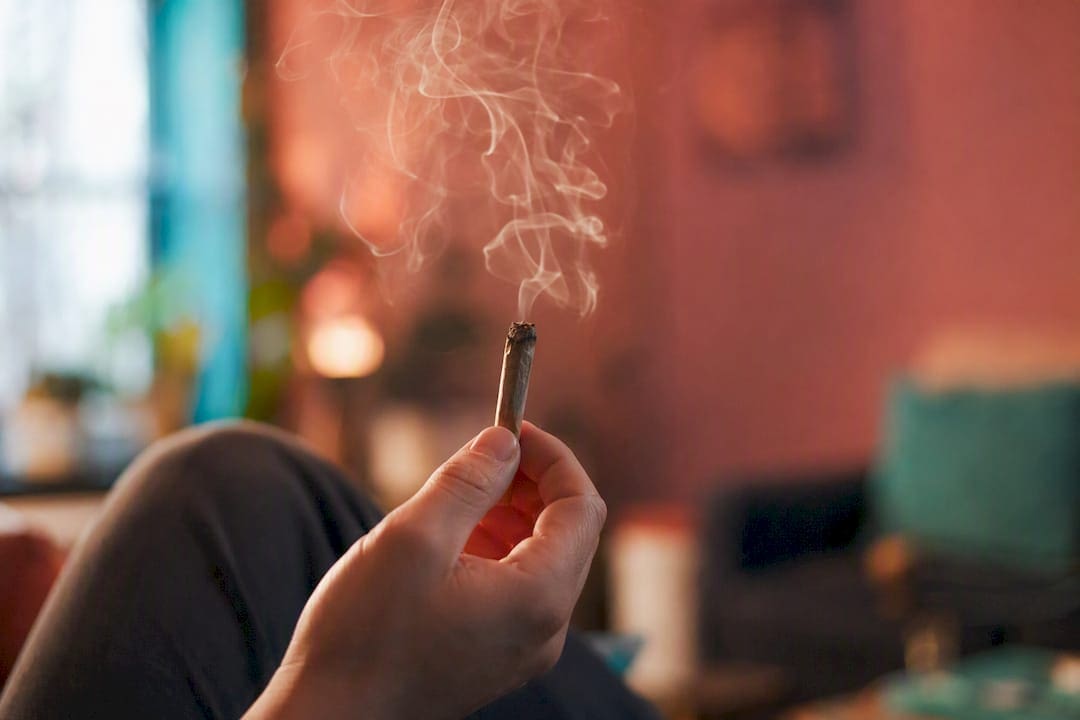
Regular smokers report a fairly predictable pattern: chronic cough, extra mucus, bronchitis, and a higher susceptibility to respiratory infections. That’s the trade-off of pulling hot smoke and particulate matter into airways built for clean air.
A few habits make things worse:
- Deep inhalation and breath-holding. Holding smoke in longer doesn’t increase THC absorption much, but it does increase your exposure to tar and toxins.
- Mixing with tobacco. Rolling cannabis with tobacco adds nicotine dependency risk on top of the existing combustion exposure.
- High-frequency, high-volume use. The dose adds up the same way it does with cigarettes.
None of this means occasional smoking guarantees disease. It means the mechanism of harm is well understood, and it scales with how often and how deeply you smoke.
How vaping weed works and where the risks show up
Vaping avoids combustion by heating cannabis to a lower temperature, typically in a range sufficient to release THC and terpenes as vapour without causing combustion. That temperature gap is the entire reason vaporizing produces fewer combustion byproducts than smoking.
That doesn’t make vaping risk-free. Three device categories carry different profiles:
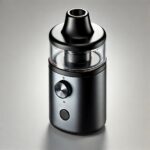
- Dry-herb vaporizers heat whole flower and generally carry the lowest lung risk of the inhalation methods, according to reviews of vaporization products.
- Cartridge concentrates vaporize oils that sometimes rely on solubilisers or thinning agents, which raises contaminant concerns.
- E-liquid style devices can vary widely in quality depending on manufacturing standards.
The real danger zone is contaminated or counterfeit cartridges, particularly from illicit markets where testing standards don’t apply. Battery malfunctions and device defects add a mechanical risk on top of the chemical one, which is part of why buying from a regulated Ontario retailer matters more with vapes than with flower.
Effects, onset, and potency: what actually changes
Both methods hit fast. Whether you smoke or vape, THC reaches your bloodstream through the lungs within minutes, and that’s exactly why inhalation is popular for people who want quick relief or a controllable high. What changes is the intensity.
Regulated dried flower usually contains under 30% THC, while concentrates commonly run 70% to 90% THC. A single puff from a concentrate-based vape can deliver several times the THC of a puff off a joint. Johns Hopkins researchers found that vaping produced stronger subjective effects than smoking for infrequent users, likely because some vape products simply deliver more THC per inhalation than a comparable amount of flower.
If you’re newer to cannabis or switching from flower to a vape pen, treat your first few puffs like a test, not a habit. Wait at least 10 to 15 minutes between puffs to gauge the effect before taking more. Checking the THC percentage on the product label before you buy tells you a lot about what you’re actually signing up for.
What the research and Health Canada guidance actually say
The best available evidence points in a consistent direction. A peer-reviewed review published in PMC found that vaporizer users were significantly less likely to report respiratory symptoms like cough and chest tightness compared with people who smoked cannabis.
The data point that matters most: vaporizer users report cough and chest tightness at rates around 40% lower than smokers, according to peer-reviewed research on cannabis inhalation methods.
That’s a meaningful gap, but it comes with real caveats. Most of the underlying studies followed people for relatively short periods, the devices and products tested vary widely, and many participants used more than one method, which makes it hard to isolate vaping’s effect from smoking’s. Research on poly-use, combining smoking with vaping or tobacco, shows it increases respiratory symptom burden more than sticking to one method, which muddies clean comparisons further.
The consensus among public-health bodies, including Health Canada, lands on a specific position: vaping reduces exposure to combustion byproducts, and that’s genuinely useful for lung health, but it doesn’t eliminate risk. Regulated products close the gap between “lower risk” and “actually safer” a lot more than unregulated ones do.
Harm reduction: what to actually do if you’re inhaling
Whether you smoke or vape, a few habits change your risk profile more than the method itself.
- Start low and go slow. Ottawa Public Health recommends beginning with 1 to 2 puffs of a product containing 10% THC or less, then waiting to see how you feel before taking more.
- Choose dried-flower vaporization over concentrates if you’re inexperienced. It’s easier to titrate your dose and generally carries lower lung risk than high-THC oils.
- Skip illicit cartridges entirely. Unregulated products are where contamination and device failures show up most often.
- Avoid deep inhalation and breath-holding. Neither increases how much THC you absorb, and both increase toxin exposure.
- Keep your device clean and charged properly. Regular cleaning and following manufacturer charging guidance cut down on both infection risk and battery failure.
Pro Tip: Never share a vape or pipe mouthpiece without cleaning it first. It’s a small habit that meaningfully cuts your exposure to whatever the last person was carrying, cold or otherwise.
If you’re picking up your first dry-herb vaporizer, read through the manufacturer’s cleaning schedule before you use it the first time, not after something goes wrong.

Choosing what fits your health and your goals
Vaping makes the most sense if you want easier dose control, more discretion, and a lower lung-symptom profile, especially with regulated dried flower. Smoking still works as a simple fallback, but it carries the higher combustion-related lung risk described earlier, with no real upside beyond simplicity.
Some people shouldn’t inhale anything at all. If you have asthma or a chronic lung condition, medical guidance is clear that non-inhalation routes, edibles or sublingual products, sidestep the respiratory risk entirely.
A quick way to decide:
- Existing lung or respiratory condition? Skip inhalation, consider edibles or sublinguals instead.
- New to cannabis? Choose low-THC dried flower in a vaporizer, not a concentrate cartridge.
- Want fast onset and don’t smoke often? Vaping a regulated product is the more measured choice.
- Prioritizing discretion or fewer respiratory symptoms? Vaping again wins on both counts.
Why the “just switch to vaping” advice oversimplifies things
Editorially, the framing that vaping is simply the “safe” choice bothers me, because it lets people skip the part that actually matters: what’s in the device and who made it. Montrosecannabis leans safety-first in how it talks about inhalation, because the biggest health difference in this whole comparison usually isn’t smoking versus vaping. It’s regulated versus unregulated.
A dried-flower vaporizer loaded with tested, labelled product and a counterfeit cartridge from an illicit source are not remotely the same risk category, even though both technically fall under “vaping.” Treating them as interchangeable is where a lot of harm-reduction advice quietly fails people.
Montrosecannabis’ own approach reflects that distinction: curated products from vetted growers, clear labelling, and fast delivery that doesn’t cut corners on compliance.
— Nick
Where to find tested, regulated products for safer inhalation
If you’ve decided vaping fits your goals better than smoking, the product you choose matters as much as the method. Montrosecannabis stocks regulated dry-herb vaporizers and cartridge products with clear THC labelling, tested through legal Canadian supply chains, plus one-hour delivery across the Durham Region and GTA.

Every listing includes THC and CBD percentages so you can start low and adjust from there, and our cannabis product labels break down exactly what those numbers mean if you’re new to reading them. If you’re unsure which device suits your experience level, reach out to customer support before you buy rather than guessing. Ready to switch to a lower-risk option? Browse our current THC limits, labels, and laws guide and order through Montrosecannabis for delivery within the hour.
This article is general information, not a substitute for advice from a qualified doctor. Consult a qualified healthcare professional about your own circumstances before acting on anything here.
Sources
- Canada
- Are vaporizers a lower-risk alternative to smoking cannabis? – PMC
- Lower risk cannabis use – Ottawa Public Health
FAQ
Is it healthier to smoke weed, or use nicotine?
Neither is healthy, but smoking anything, cannabis or tobacco, exposes you to combustion byproducts like tar and carbon monoxide; cannabis smoking carries fewer nicotine-dependency risks but similar respiratory concerns from the smoke itself.
Is one puff of a vape equal to one cigarette?
No, they’re not directly comparable. A vape puff’s impact depends on the product’s THC concentration and device type, while a cigarette delivers a fairly consistent dose of nicotine and combustion byproducts, so the two aren’t measured on the same scale.
Is it better to smoke or vape weed?
Vaping, especially with a regulated dry-herb vaporizer, generally exposes you to fewer combustion byproducts and is linked to fewer reported respiratory symptoms than smoking, though neither method is risk-free.
Is vaping weed actually safer than smoking it?
It’s safer for your lungs in most respects because it skips combustion, but “safer” depends heavily on using a regulated, tested product rather than an illicit cartridge.
What’s the biggest vaping-specific risk to watch for?
Contaminated or counterfeit cartridges from unregulated sources pose the most serious risk, since they can contain unlisted additives or heavy metals that regulated products are tested to avoid.