The best dab temperature for most people sits between about 450°F and 550°F (232°C to 288°C). Go lower, around 400°F to 450°F (204°C to 232°C), when you want flavour from the terpenes. Go higher, toward 550°F and up, when you want thick clouds and a stronger hit. Where you land inside those ranges depends on your concentrate, your nail or atomizer, and how you like to feel afterwards.
Below, we break down each range, give you a chart you can screenshot, show you how to tell when your rig is actually at temperature, and cover what Health Canada says about concentrates so you can dab with your eyes open.
TL;DR
- Low temp (about 400°F to 450°F / 204°C to 232°C): best flavour, smoother and lighter vapour, and the gentlest place to start.
- Medium temp (about 450°F to 550°F / 232°C to 288°C): the all-round sweet spot for most concentrates and most people.
- High temp (550°F and up / 288°C and up): denser clouds and a harder hit, but you give up flavour, and going far past 600°F tends to taste burnt.
- Start low and work up: concentrates are very potent, so a cooler, smaller dab is the safer way to learn what you like.
- Use a tool, not a guess: an e-rig with a set temperature or an infrared thermometer beats counting seconds after a torch.
Table of Contents
- Why temperature changes everything about a dab
- The dab temp chart: low, medium and high
- Low-temp dabs: flavour first
- Medium-temp dabs: the sweet spot
- High-temp dabs: bigger clouds, trade-offs
- Suggested starting temps by concentrate type
- How to tell when your rig is at temperature
- Do hotter dabs hit harder?
- Safety: what Canadian consumers should know
- A few common problems and quick fixes
- Our perspective on dab temps
- Ready to try a lower-temp session?
- FAQ
- Sources
Why temperature changes everything about a dab
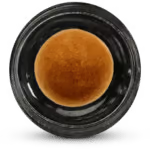
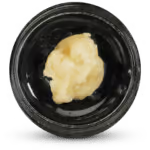
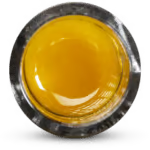
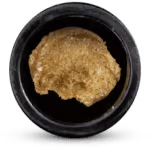
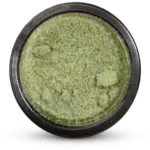
A dab is a small amount of cannabis extract, such as shatter, wax, rosin or resin, that you vaporize on a hot surface. Health Canada describes dabbing as inhaling an aerosol made by the high-temperature vaporization of a solid or semi-solid cannabis extract using a rig or a pen. The key words are “high-temperature”. The heat is the whole game.
Temperature controls three things you can feel right away:
- Flavour. Terpenes, the aromatic compounds behind citrus, pine, berry and fuel notes, are fragile. Cooler dabs let you taste them. Hotter dabs burn off a lot of that character.
- Vapour density. Lower heat gives cooler, thinner vapour. Higher heat gives thick, dense clouds.
- Harshness. The hotter the surface, the more likely you are to cough, and the more likely the dab will taste scorched.
That is why there is no single “correct” number. A person chasing the taste of a fresh live rosin will dab differently from someone who wants a big, fast hit from a distillate.
The dab temp chart: low, medium and high
Here is the quick version. Treat every number as a starting point, since different devices read and heat differently.
| Range | °F | °C | What you get | Best for |
|---|---|---|---|---|
| Low | 400 to 450 | 204 to 232 | Best flavour, smooth, lighter vapour | Live rosin, live resin, new dabbers |
| Medium | 450 to 550 | 232 to 288 | Balanced flavour and cloud size | Most concentrates, everyday use |
| High | 550 to 650 | 288 to 343 | Thick clouds, stronger hit, less flavour | Experienced users, stubborn or low-terpene extracts |
| Too hot | Above 650 | Above 343 | Burnt taste, harsh throat | Nobody |
You will see slightly different numbers from site to site. Some stretch “low” down into the mid-300s, and some push “high” past 650. The pattern is the same everywhere: cooler for taste, hotter for cloud, and diminishing returns once things get scorching.
Low-temp dabs: flavour first
If you have ever heard someone say “cold start” or “low temp”, this is what they mean. You heat your nail or atomizer less, let it cool a bit if you used a torch, and take a gentle, slow pull.
What to expect:
- Terpene-rich flavour that actually tastes like the strain
- Cooler, smoother vapour that is easier on your throat
- Smaller clouds and a hit that builds more gently
- Sometimes you will leave a little residue behind, which you can come back to with a slightly higher temp
Low-temp dabbing is the best place for beginners to start, and it is the right call for fresh, aromatic extracts. If you are curious about what to pick up for this style, our guide to the best extracts and concentrates for dabbing walks through what suits flavour-focused sessions.
A practical tip: if a dab tastes like almost nothing or you are leaving a lot behind, nudge your temperature up by 10 to 20 degrees rather than jumping a whole range. Small changes make a big difference.
Medium-temp dabs: the sweet spot
Most people end up here. Between roughly 450°F and 550°F you get a good share of the flavour and a satisfying cloud, and the extract vaporizes fully without much fuss. It is also forgiving. If your timing is slightly off, you are still in a comfortable window.
Medium temps work well for:
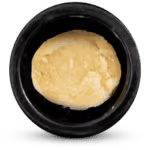
- Wax and budder-style textures
- Shatter and other glassy extracts
- Anyone sharing a rig with friends who like different things
- Daily sessions where you want consistency
If you are not sure whether to pick shatter or wax, we explain the texture and handling differences in our post on shatter vs wax (written in French), and our broader breakdown of extract types and how to choose covers the full range.

High-temp dabs: bigger clouds, trade-offs
Above about 550°F (288°C), you get dense vapour and a harder-hitting dab. Some experienced users like this for speed and intensity, and some extracts with lower terpene content do not lose much by running hot.
The trade-offs are real:
- Flavour drops off. The terpenes are largely gone before you take the second half of the pull.
- Harshness goes up. Hot vapour is rougher on your throat and lungs.
- A burnt or charred taste can show up when you run very hot. Past 650°F (343°C) we would call it overkill.
- Intensity climbs fast. Concentrates are already strong, and a big hot dab can be a lot more than you planned for.
If you find yourself reaching for higher temps just to feel something, the better move is usually a better concentrate or a slightly bigger dab at a medium temperature, not more heat.
Suggested starting temps by concentrate type
Every producer and batch is different, so check the product page for details. As a rough guide to where to begin:
| Concentrate | Start around (°F) | Start around (°C) | Notes |
|---|---|---|---|
| Live rosin, live resin (fresh, aromatic) | 400 to 500 | 204 to 260 | Go low to protect terpenes |
| Badder, budder, wax | 450 to 550 | 232 to 288 | Easy to work with at medium heat |
| Shatter | 450 to 550 | 232 to 288 | Glassy extracts usually vaporize cleanly here |
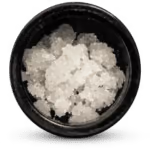
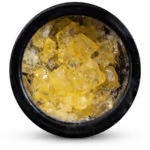
| Sauce, diamonds | 500 to 600 | 260 to 316 | Crystals often need a bit more heat; sauce rewards a lower start |
| Hash, ice-water hash | 450 to 550 | 232 to 288 | Watch for flavour loss as you go hotter |
These are our practical starting points, not rules. Begin at the low end of the row, take a small dab, and adjust up in small steps. If you want help matching a concentrate to the way you like to dab, our write-up on live rosin vs live resin covers hardware, storage and what to look for on a lab report.
How to tell when your rig is at temperature
Guessing is the main reason people burn their dabs or leave them under-heated. Here are the three common approaches, from most to least precise.
E-rigs and electronic nails
With an e-rig, you pick a temperature and the device does the work. Many models use indicator lights to tell you where they are. On one popular e-rig, for example, the manufacturer’s help page explains that the LEDs pulse red while heating and turn green when the set temperature is reached. Other brands use different signals, so check your manual. This is the easiest way to repeat a good dab, and it is ideal if you are exploring different ranges.
Infrared thermometers
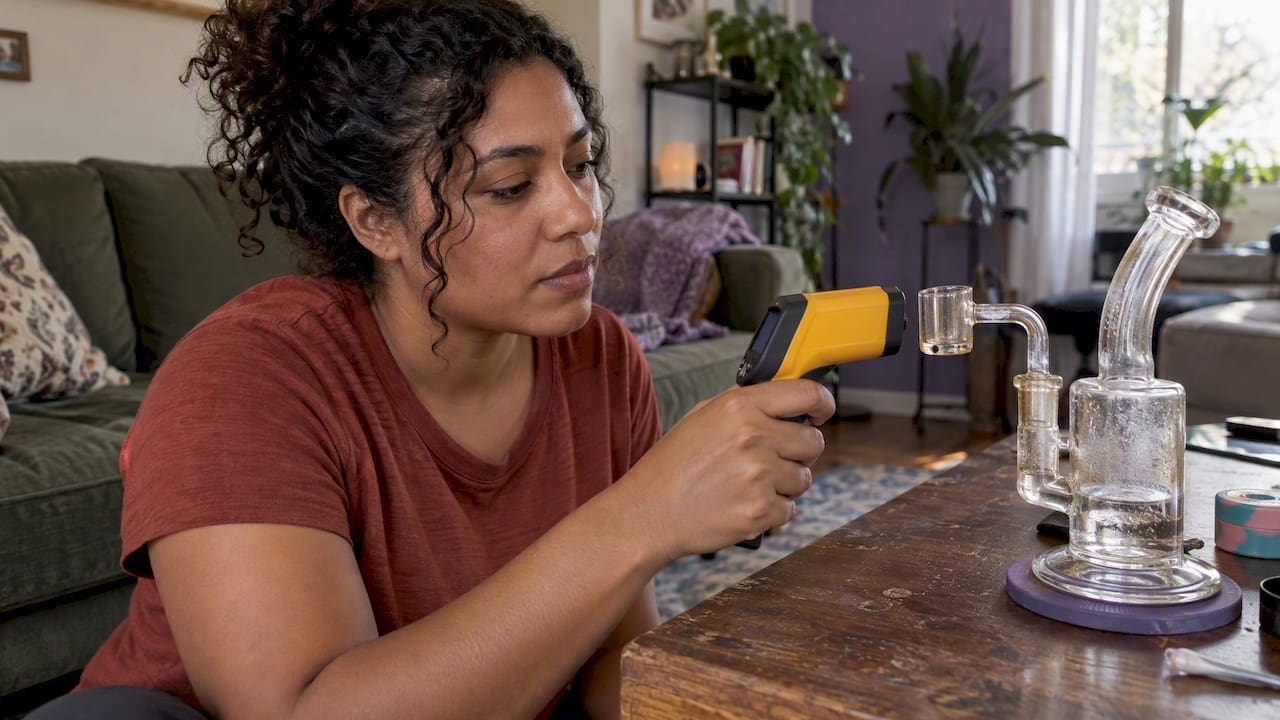
If you use a quartz banger with a torch or an enail, an infrared thermometer lets you read the surface temperature without touching it. Point it at the bottom of the heated banger, hold it steady, and take the reading. Because the sensor reads the surface, small differences in angle and distance can move the number, so keep your setup consistent from session to session.
The “count after the torch” method
This is the old-school way: heat the banger, then wait a set number of seconds for it to cool before dabbing. It is free, but it is the least reliable. Torch size, banger thickness and room temperature all change the result. If you use this method, run it the same way every time, and write down what worked.
Test it yourself: take one small dab at a low temperature. Does it taste like the concentrate? Is the vapour smooth? Is there leftover residue? Adjust 10 to 20 degrees and repeat on your next dab, not in the same session.
Do hotter dabs hit harder?
Usually, yes in the sense that you get thicker vapour and a more intense inhale. But a harder-feeling hit is not the same as a better one, and it is not the same as getting more from your concentrate. Higher heat can also destroy flavour and make the inhale rough.
What decides how strong the experience is, more than temperature, is the product and the amount. Concentrates used in vaporizers often carry THC levels from 40% to 95%, well above the figure for regulated dried flower, which is usually under 30%. That is why a tiny dab can feel like a lot. Our guide to concentrates vs flower walks through the mg THC math if you want to see how the two compare.
Safety: what Canadian consumers should know
We love a good dab, and we also want you to enjoy it responsibly. Here is what Health Canada and the research say, in plain words.
Buy your gear from the right places. Health Canada advises getting dab rigs and dab pens from authorized retailers and keeping them clean. It also notes that vaping aerosols can contain harmful substances and contaminants, including heavy metals. Clean, reputable hardware matters.
Concentrates are strong. Health Canada says that higher-strength products such as shatter, wax and dabs can worsen mental health effects like paranoia and psychosis. If you have a personal or family history of psychosis or other serious mental health conditions, talk to your doctor or pharmacist before using concentrates.
Plan for a long effect. Health Canada notes that the effects of cannabis, including inhaled concentrates, can last six hours or longer, with impairment to concentration, coordination and reaction time. Do not drive or operate machinery, and do not stack dabs back to back to chase a feeling.
Flower may carry less risk than concentrates. Dr. Caroline MacCallum and colleagues, writing in Drug and Alcohol Review, point out that vaporizing dried flower may pose a lower respiratory risk than vaporizing concentrates or e-liquids, because of lower potential toxin exposure and lower potency. If that sounds more like you, see our beginner’s guide to dry herb vaporizers and our comparison of vaping vs smoking weed.
The baseline. Health Canada’s Lower-Risk Cannabis Use Guidelines are clear that avoiding all cannabis-related health risks means not using it, while still giving practical guidance for people who choose to. Cannabis is for adults of legal age only.
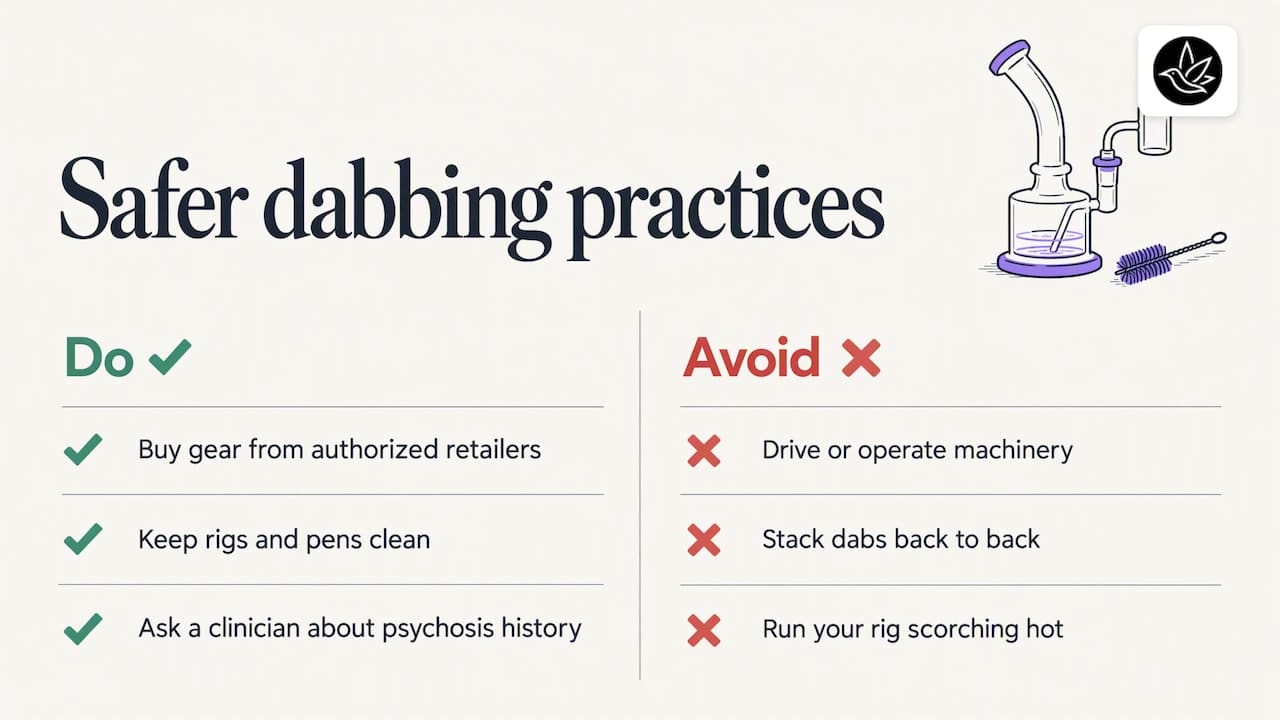
On temperature specifically, our rule of thumb for staying on the safer side is simple: do not run your rig scorching hot. Very hot surfaces burn the extract rather than vaporizing it, and that is exactly when the taste turns harsh and the inhale gets rough.
A few common problems and quick fixes
- Tastes burnt or harsh: your surface is too hot, or you waited too little after the torch. Drop the temperature, take a slower pull and use a smaller dab.
- No flavour, little vapour: you may be too cool or your dab is too big. Raise the temperature in small steps.
- Residue left in the banger: try a slightly higher temperature for the next dab, or a smaller dab that vaporizes completely.
- Coughing every time: go cooler and slower, and try a smaller amount. Make sure your gear is clean.
- Dabs feel too strong: use less, not more heat. Wait before taking another.
Our perspective on dab temps
We talk to people every week who are picking their first concentrate, and the question is nearly always the same: “What temperature should I use?” Our honest answer is that the number matters less than the habit. Start cool, start small, and let your palate tell you where to go.
We also see a lot of people spend on a premium extract and then scorch it. If you picked a craft concentrate for its terpene profile, treat it like it deserves it. Low to medium temps will give you the flavour you paid for, and you will probably need less of it to feel satisfied. That is better for your wallet and for your comfort.
And because we are a Canadian retailer that cares about compliance and customer education, we will say it plainly: concentrates are potent. If you are new, or coming back after a break, begin with a very small dab and give yourself time before deciding you want more.
— Nick
Ready to try a lower-temp session?
If you want to put this guide into practice, browse the concentrates, vapes and flower on our shop page for a curated selection from craft growers, with detailed product information on every listing. We deliver in Durham Region and the GTA, with one-hour delivery, and medical orders can ship Canada-wide. Need gear too? Our accessories and devices section is on the Montrose Cannabis homepage.
FAQ
What is the best temperature for dabs?
For most people and most concentrates, 450°F to 550°F (232°C to 288°C) is a good place to be. If flavour matters most, try 400°F to 450°F (204°C to 232°C). Start at the low end and raise it a little at a time until you find your spot.
What are low temp dabs and are they worth it?
Low temp dabs are taken at roughly 400°F to 450°F (204°C to 232°C), or even a bit lower on some e-rigs. They keep more of the terpenes, so you get lighter, smoother vapour and more flavour. They are a great choice for beginners and for fresh, aromatic concentrates.
How do I know if my dab rig is hot enough?
The most reliable way is an e-rig with a set temperature and an indicator light, or an infrared thermometer pointed at the bottom of the banger. If you use a torch, keep your heating and cooling time the same each session. Taste is your final test: if there is no flavour and lots of residue, go a touch hotter.
Is dabbing better for your lungs than smoking?
Not necessarily. Researchers note that vaporizing dried flower may carry a lower respiratory risk than vaporizing concentrates, which are far more potent and may expose you to more toxins. Health Canada also advises using clean gear from authorized retailers. If you have lung or mental health concerns, speak with your doctor or pharmacist first.
Sources
- Cannabis accessories for inhalation: Minimizing your risk (Health Canada)
- Is cannabis safe to use? Facts for youth aged 18-25 years (Health Canada)
- Cannabis vaporisation: Understanding products, devices and risks (Drug and Alcohol Review, 2023)
- Lower-Risk Cannabis Use Guidelines FAQ (Health Canada)
- Switch² Knowledge Base (Dr. Dabber)