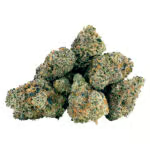
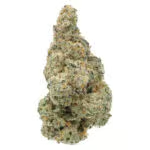
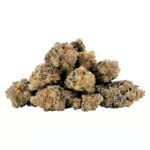
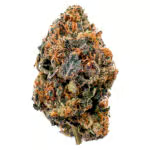
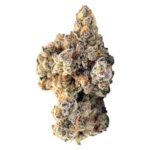
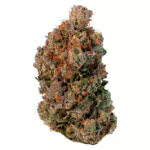
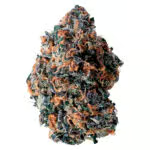
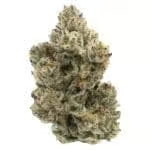
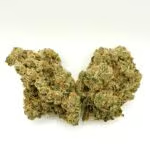
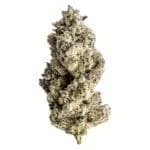
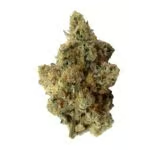
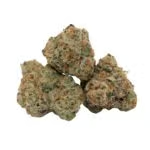
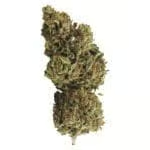
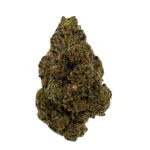
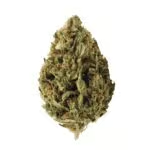
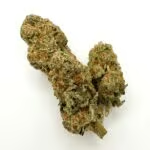
Linalool is most often linked to calming, sedative and pain-relieving effects. Most of the supporting evidence comes from animal studies and lavender aromatherapy trials, though, not from standardised human trials of linalool in cannabis. Below we cover the reported effects, the proposed mechanisms, what Health Canada says, and how you can check and track linalool in the products you buy.
TL;DR:
- Lavender inhalation reduced anxiety in 10 of 11 reviewed human trials, but those studies tested whole oil, not isolated linalool or cannabis.
- Linalool is usually a minor cannabis terpene, and strain names cannot confirm its level; check the product’s batch specific certificate of analysis.
- A 2024 mouse vapor study found sex differences in response, while pairing linalool with CBD produced a synergistic effect in female mice.
- For a cautious trial, start low, change one factor at a time, and log the product, dose, route, timing, and effects.
- Stop if adverse effects occur, avoid cannabis during pregnancy or breastfeeding, and consult a health care provider about medical use or other medications.
Table of Contents
- What does linalool do, according to the research?
- How does linalool affect the brain and mood?
- What does the evidence actually show?
- Where does linalool show up, and how do you find it in cannabis?
- How can you try linalool-rich cannabis responsibly?
- What should you take away from all this?
- Why the COA matters more than the hype
- FAQ
- Sources
What does linalool do, according to the research?
Linalool is a monoterpene alcohol found in lavender, coriander and some cannabis chemovars. Reviews of its bioactive properties describe analgesic, anxiolytic, sedative and anti-inflammatory activity, mostly in preclinical work. Here is how those effects show up:
- Calming and sedative: inhaled lavender oil, which contains linalool, is the main human-facing evidence for reduced anxiety.
- Pain relief: animal models of neuropathic, inflammatory and postoperative pain show reduced pain sensitivity.
- Anti-inflammatory and antimicrobial: reported in lab studies, with pharmacological reviews listing both.
Delivery route matters. Inhalation tends to act faster, while topical and swallowed routes differ in onset and how much reaches the bloodstream. Cannabis usually carries far less linalool than the essential oils used in aromatherapy studies, so you shouldn’t assume a lavender trial result carries over to a flower or vape.
How does linalool affect the brain and mood?
Researchers have proposed several overlapping pathways. None are confirmed in people for cannabis products, but together they give a plausible biological basis for the calming and pain-relieving reports.
GABA and glutamate. Linalool appears to boost GABA-A signalling, the brain’s main inhibitory system, and to inhibit NMDA receptors in a non-competitive way, which lowers glutamate-driven excitability. A review of cannabis terpene analgesia also notes effects on sodium and calcium channels.
Adenosine A2a. Mouse studies of postoperative and fibromyalgia-like pain point to A2a receptor involvement in linalool’s pain-reducing effect, though results didn’t always reach statistical significance against the vehicle in every test.
Opioid facilitation. In some models, naloxone reversed linalool’s analgesic effect, which suggests peripheral opioid pathways contribute. That is a lab observation, not a reason to treat linalool as an opioid substitute.
Smell and the limbic system. When you inhale linalool, olfactory signals travel to limbic regions tied to emotion and stress. That route may explain part of why aromatherapy feels calming, and why how linalool affects mood can differ between inhaling a scent and ingesting a product.
What does the evidence actually show?
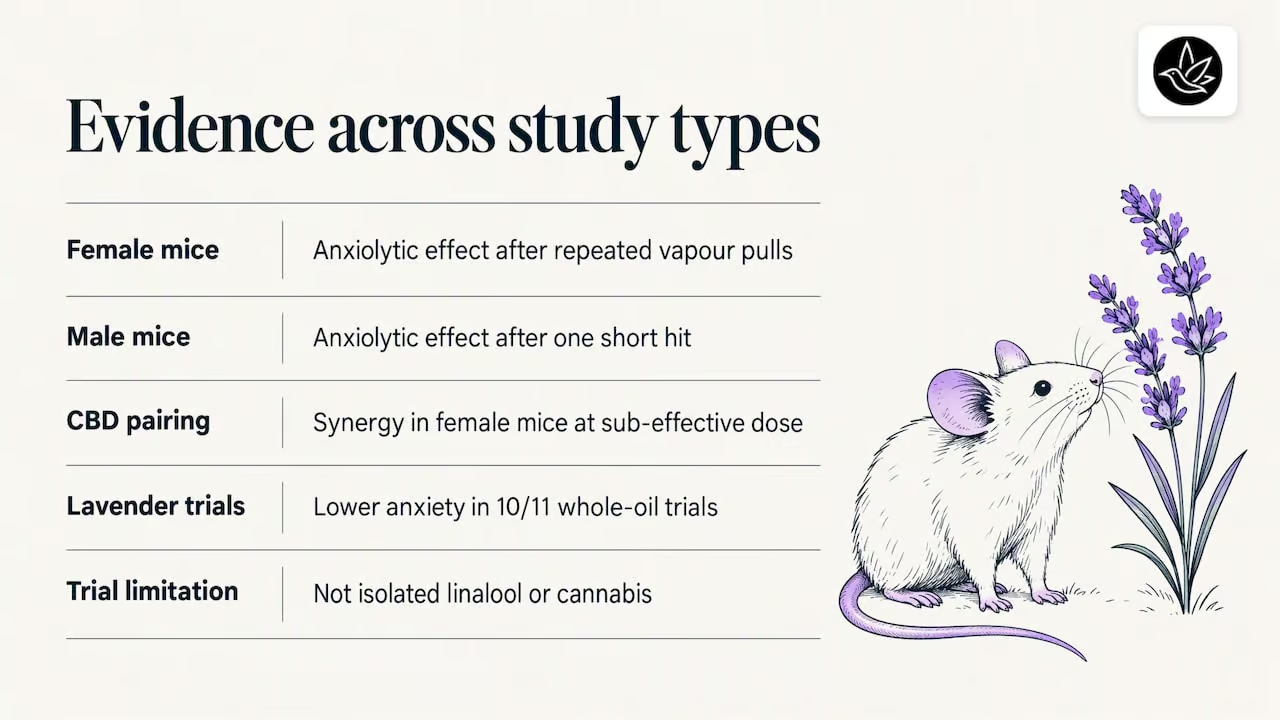
The strongest findings sit at the preclinical end. A 2024 mouse vapour study found anxiolytic effects from linalool, with a sex difference: female mice responded after repeated vapour pulls, while male mice responded after a single short hit. Pairing a sub-effective dose of linalool with CBD produced a synergistic effect in female mice. That fits with the idea behind the entourage effect, where compounds may shape each other’s impact.
On the human side, a systematic review of lavender inhalation found lower anxiety in 10 of 11 trials. The catch is that those trials used whole lavender oil, not isolated linalool and not cannabis.
A recent review of cannabis terpenes in chronic pain describes a “translation gap”: compelling preclinical results for linalool, but limited human bioavailability through inhalation and few standardised clinical trials.
Health Canada is equally cautious. Its guidance on choosing a cannabis product says the role of terpenes like linalool in changing the high or delivering therapeutic effects remains largely hypothetical in humans, and it advises trial and error under a health-care provider’s guidance. In short: promising, plausible, unproven.

Where does linalool show up, and how do you find it in cannabis?
Lavender is the classic source. In cannabis, linalool is usually a minor terpene, and only some chemovars list higher percentages. Exogenous terpenes added to vapes and oils can push levels up, which is another reason to read the label rather than guess.
Strain names are a weak guide, since the same name can test differently from batch to batch. A certificate of analysis (COA) is better evidence. Here is what to check:
- Terpene panel: look for linalool by name and note its percentage.
- Leading terpenes: our guide to reading COAs and picking terpene-rich cannabis shows how to use these as a shortcut.
- Product page: regulated retail listings often show terpene totals and top terpenes.
- Batch date: terpene content shifts between harvests, so check the batch you’re actually buying.
For contrast, see how another common terpene behaves in our piece on myrcene.
How can you try linalool-rich cannabis responsibly?
Treat this as a small personal experiment, the same way Health Canada frames it.
- Start low and go slow with any new product, whatever its terpene profile. Our low-dose sleep guidance explains a cautious starting point.
- Record the strain, product, dose, consumption method and how you felt, including timing.
- Compare methods. Inhalation acts quickly and fades sooner, while edibles take longer and last longer.
- Check the COA for linalool before you buy, and favour regulated retail sources.
- Stop if you get adverse effects, and skip cannabis during pregnancy or breastfeeding.
- Talk to a health-care provider if you use it for a medical reason or take other medications.
Pro Tip: Change one thing at a time, such as the product or the method, so your notes actually tell you what made the difference.
What should you take away from all this?
Linalool has a credible case behind it: animal studies on anxiety and pain, plausible receptor pathways, and human trials showing that inhaled lavender can ease anxiety. What it lacks is standardised human research on linalool in cannabis products. We’d rather say that plainly than oversell it.
Your best next steps are practical. Read Health Canada’s product-choosing guidance, learn to read a COA with our terpene guide, and keep notes on what you try. Better clinical trials would help everyone, and until they arrive, careful record keeping is the most reliable tool you have.
Why the COA matters more than the hype
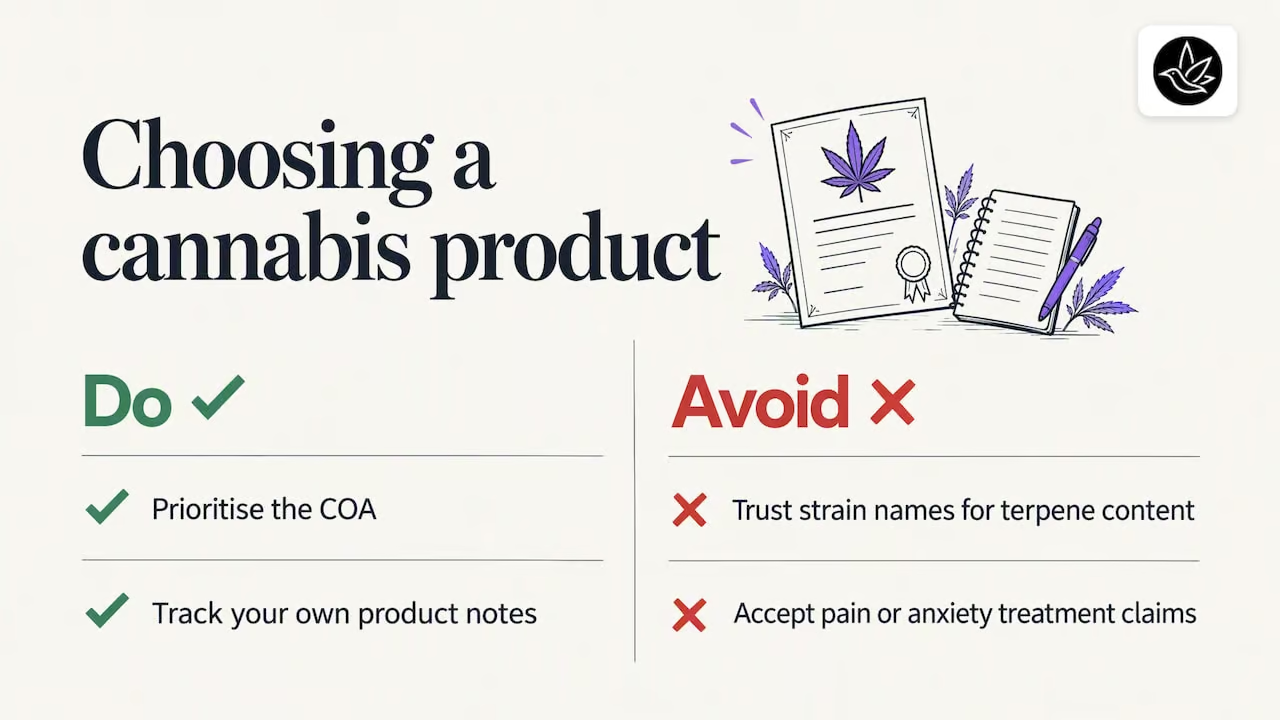
The conventional advice is to chase a strain famous for relaxation and trust the name. That falls short. A strain name tells you almost nothing about terpene content, and linalool is a minor player in most cannabis anyway, so the mood-lifting story you’ve heard may rest on levels far below what aromatherapy studies used.
What the research supports is more modest and more useful. Prioritise the COA, then your own notes. If linalool appears among the top terpenes and you consistently feel calmer with that product, that is real information about you, even if the clinical literature can’t yet explain it. Be wary of anyone claiming linalool will treat pain or anxiety. The honest position is that it’s a promising piece of a larger puzzle, probably working alongside cannabinoids rather than alone.
— Nick
This article is general information, not a substitute for advice from a qualified doctor. Consult a qualified healthcare professional about your own circumstances before acting on anything here.
FAQ
What terpenes give what effects?
Terpenes shape aroma, and some researchers believe they influence effects. For humans, Health Canada says terpene-driven therapeutic effects remain largely hypothetical. Linalool is associated with calm, myrcene with relaxation, and limonene with uplift, but these are reports, not guarantees.
Is limonene terpene good for anxiety?
We don’t have solid evidence in our research to say limonene reliably eases anxiety in humans. Linalool has the stronger link to calming effects, mainly from animal studies and lavender trials. If anxiety is a concern, talk to a health-care provider.
What strains have linalool terpenes?
Linalool is a minor terpene in most strains, and only some chemovars list higher amounts. Strain names are unreliable, so check the COA or terpene panel for linalool by name. Our shop lists terpene details on product pages where available.
What does linalool do to the brain?
Preclinical work suggests linalool boosts GABA-A signalling, inhibits NMDA receptors and may act through adenosine A2a pathways. Inhaled linalool also reaches limbic regions through smell. These mechanisms come mostly from animal and lab studies.
Sources
- Canada
- Phytochemical Modulators of Nociception: A Review of Cannabis Terpenes in Chronic Pain Syndromes