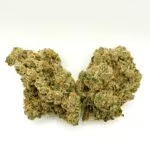
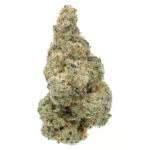
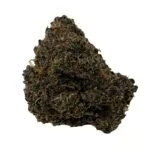
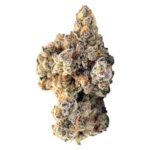
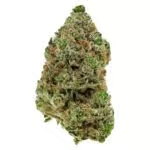
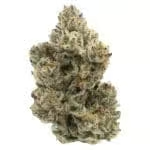
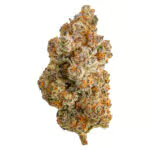
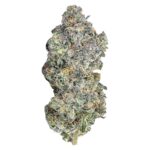
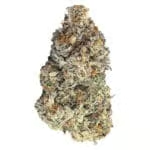
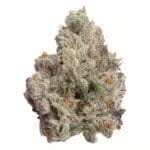
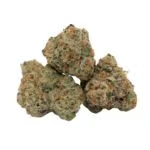
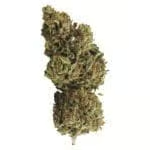
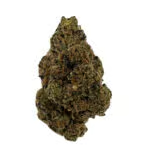
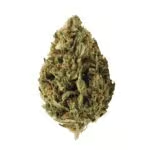
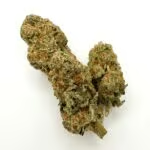
Pinene is the terpene that makes some cannabis smell like a fresh pine forest. Online, it gets credit for sharper focus, easier breathing and calmer nerves. The honest answer is more modest: pinene clearly shapes aroma, but the effects people attribute to it come mostly from lab and animal work, and Health Canada says there are no established human clinical trials confirming those effects from cannabis-derived terpenes.
That doesn’t make pinene boring. It makes it a useful clue when you shop, as long as you know what it can and can’t tell you. Let’s walk through what pinene is, what the research really shows, how to find pinene-forward products, and how to use a lab report instead of marketing.
TL;DR
- Pinene is a terpene with a pine scent, found in two forms: alpha-pinene and beta-pinene.
- Claims about focus, memory, anxiety relief and open airways come largely from lab and animal studies, not human trials in cannabis users.
- Lab studies found pinene does not act on the CB1 or CB2 receptors the way THC does, so the “entourage effect” is unproven for pinene.
- Terpenes fade with poor drying, curing and storage, so freshness and a lab report (COA) matter more than a strain name.
- Start low, keep notes, and talk to a doctor or pharmacist if you use cannabis for a medical reason.
Table of Contents
- What pinene is and where it comes from
- Pinene terpene effects: what the research actually shows
- Claim by claim: what is solid and what isn’t
- How pinene may feel in practice
- Strains people associate with pinene
- Freshness: why pinene fades
- Our perspective at Montrose
- Shopping for a pinene-forward profile in Ontario
- Safety and legal basics
- FAQ
- Sources
What pinene is and where it comes from
Terpenes are aromatic compounds. Health Canada explains that they are made and stored in the trichomes of the cannabis plant alongside the cannabinoids, and that they give cannabis its distinctive smell. Pinene is one of the most common, and it is not unique to cannabis. The name tells you where else to look: pine needles, rosemary, and many other plants share it.
Pinene comes in two main structural forms:
- Alpha-pinene: the sharp, resinous, pine-needle note.
- Beta-pinene: a slightly greener, woodier, more herbal note.
A label that says “pinene” often doesn’t say which one, or in what ratio. That matters more than it sounds, as the zebrafish work below shows.
Terpenes are a big part of the plant’s chemistry. One review reports that terpenes make up roughly 3 to 5% of the dry mass of the flower. The same plant makes around 140 terpenoids in total, according to the Canadian Food Inspection Agency’s biology document on Cannabis sativa, so pinene is one voice in a crowded choir.
Pinene terpene effects: what the research actually shows
Search results for pinene repeat a tidy list: anti-inflammatory, bronchodilator, anti-anxiety, pain relief, memory support. Each item has some research behind it somewhere. What is missing is proof that smoking, vaping or eating cannabis with pinene in it delivers those effects to you.
The zebrafish study: dose and form both matter
A 2022 study from Canadian researchers at MacEwan University and the University of Alberta tested alpha-pinene on zebrafish at several doses, including each mirror-image form on its own. The paper, published in Scientific Reports, treats alpha-pinene as a racemic compound and tested the (+) and (−) forms separately to look for different effects. The takeaways for a shopper:
- Effects depended on the dose.
- The two forms of alpha-pinene did not behave the same way.
- This was fish, not people, and the study looked at acute effects only.
In plain terms, “more pinene” is not a simple dial that turns up calm or focus. The total number on a label could hide a mix of forms that act differently.
Pinene and THC: no proof of an “entourage”
The popular story says terpenes steer how THC feels. It’s an appealing idea, and we’ve written about what the entourage effect really means for your choices. For pinene specifically, the lab evidence points the other way. A 2019 study tested alpha-pinene, beta-pinene, caryophyllene, linalool, limonene and myrcene in cells carrying human CB1 or CB2 receptors. The authors report that none of them changed the cell response or modified THC’s activity. A 2020 paper reached a similar conclusion, with the title stating that terpenoids from cannabis do not mediate an entourage effect by acting at cannabinoid receptors.
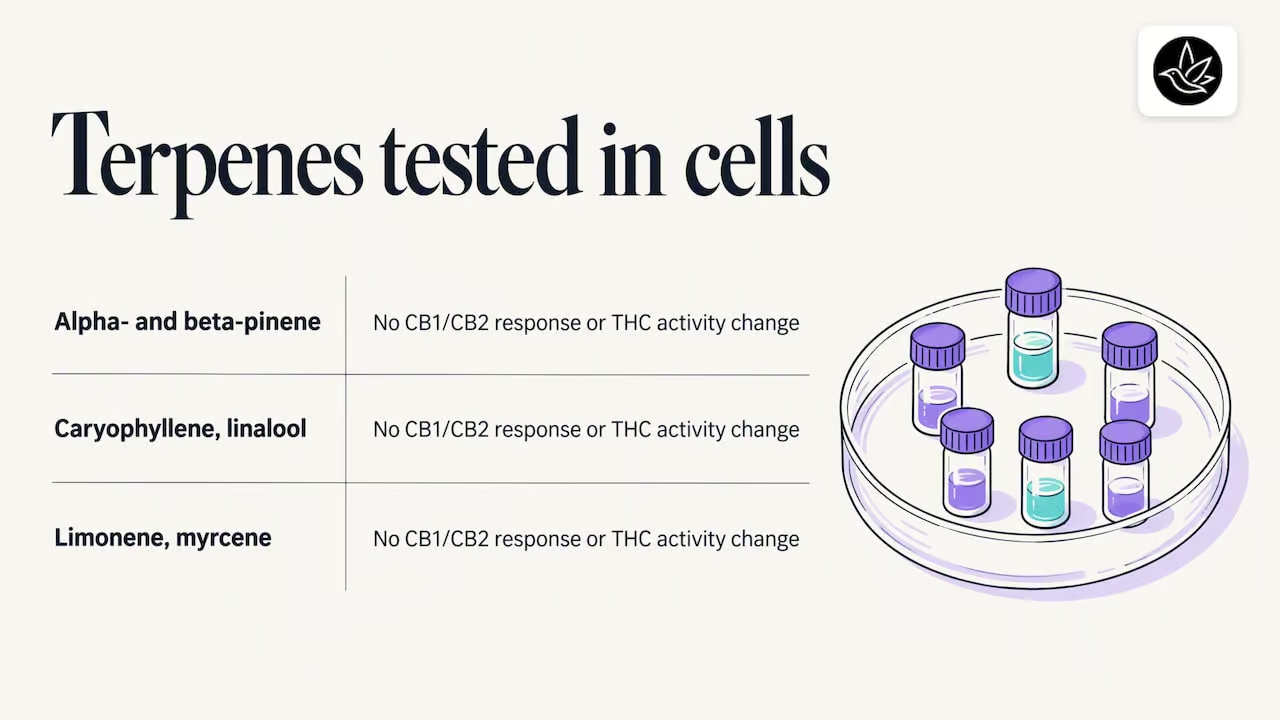
That doesn’t prove pinene does nothing in a person. Terpenes could act through other pathways, and smell itself shapes how we experience things. It does mean nobody can honestly promise that a pinene-heavy product will make your high clearer or more focused.
What Health Canada and the CCSA say
Health Canada’s guidance for health care professionals is blunt: terpenes are primarily recognized for their role in the plant’s fragrance, and some additive effects seen in mice have not been replicated in human clinical trials. You can read that in its page for health care professionals on cannabis and cannabinoids. The Canadian Centre on Substance Use and Addiction also warns that a lot of the cannabis information online is inaccurate, so it pays to be skeptical of any claim that a single terpene reliably produces a specific state.
One reassuring note: Health Canada’s monoterpenes fact sheet covers alpha-pinene among the substances in its screening assessment. That is about everyday exposure to the chemical, such as in fragrances and household products, not a review of inhaling it from cannabis smoke or vapour.
Claim by claim: what is solid and what isn’t
| Common claim | What we can say |
|---|---|
| Helps you focus | Anecdotal. No human trial in cannabis users that we can cite. |
| Calms anxiety | Seen in animal work, and dose and form dependent. Not shown in people using cannabis. |
| Opens airways | Often repeated. Don’t treat it as a reason to inhale anything if you have asthma or another lung condition. |
| Fights inflammation | Lab-level findings only. Not a treatment claim. |
| Changes how THC feels | Lab tests found no effect on THC’s action at CB1 and CB2 receptors. |
| Smells like pine | Yes. That part is well established. |
If you live with asthma, COPD, anxiety or chronic pain, please don’t use pinene as a self-treatment plan. Talk to your doctor or pharmacist, and to a health care practitioner who authorizes medical cannabis if that is your route. Inhaling smoke or vapour affects your lungs whatever the terpene profile is.
How pinene may feel in practice
People do report a difference in the experience. Many describe pinene-forward flower as bright, crisp and a bit “clean” compared with heavier, earthier profiles. That fits with how it smells, and smell is a real part of the experience. But three things muddy the picture:
- THC is still the main driver. Health Canada’s professional guidance treats THC as the compound behind the intoxicating effects. Your dose of THC will usually matter more than the terpene.
- Chemistry can be U-shaped. The effect of a compound can shift as the concentration changes, so what feels good at a low dose may not at a high one.
- You are not a zebrafish, or the next person. Your tolerance, mood, food, sleep and setting all play in.
If you’re newer to this, our guide on how to pick the right dose using THC percentage labels and the 10 mg cap in Canada is a good first stop before worrying about terpenes.
Strains people associate with pinene
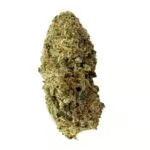
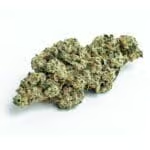
Readers often ask which strains are high in pinene. Names that come up again and again in strain write-ups are Jack Herer and Blue Dream, and plenty of retailer blogs list them as pinene-rich picks for daytime use. Treat that as a starting point, not a promise. Strain names are loose on the legal market: the same name from two licensed producers, or even two harvests from one producer, can test very differently.
What works better:
- Look at the batch, not the name. The COA or product page will show a terpene breakdown for that specific lot when the producer provides it.
- Scan the top three terpenes. If pinene shows up near the top, with limonene or caryophyllene alongside, you’ve got a pine-and-citrus-forward profile.
- Check the total terpene number. A higher total usually means a stronger smell. It doesn’t mean a better or stronger high. Research summaries are clear that “high terpene” does not universally mean a stronger high.
We’ve built two walkthroughs for this: how to read a COA in 30 seconds, and how to use the top three terpenes to pick terpene-rich cannabis in the GTA. If you’re puzzled by indica, sativa and hybrid labels, read the COA, not the name explains why.
Reading a pinene result on a lab report
A typical COA lists terpenes in percent by weight or in mg/g. Here is a simple routine:
- Find the terpene table and note the top three terpenes.
- See whether pinene appears as alpha, beta, or a combined figure.
- Compare the total terpene percentage with other products you’ve tried.
- Check the harvest or packaged date. Fresher is better for aroma.
- Write down what you bought and how it felt.
That last step is the one that actually answers your question. Because commercial strains vary so much, the most reliable method is tracking your own experience across lab-tested products over time.
Freshness: why pinene fades
Pinene is a volatile monoterpene. It evaporates readily, so drying, curing and storage change how much of it survives. The Canadian Food Inspection Agency’s Cannabis sativa biology document is the background for the terpene chemistry. In practical terms, if aroma is why you want pinene, look for:
- A recent packaged-on date.
- A sealed, intact package with little air space.
- Flower that smells vivid when you open it, not flat or hay-like.
- Producers that publish terpene results and care about post-harvest handling.
Store your product in a cool, dark place in an airtight container. Heat and light are the usual enemies of aroma.
Our perspective at Montrose
We get asked about pinene a lot, usually by someone who has read that it will “sharpen” a high. We like terpenes. We also think it would be a disservice to oversell them.
Here is how we look at it. A terpene profile is a good guide to what a product will smell and taste like, and a decent hint about what you may enjoy. It isn’t a prescription. Health Canada and the CCSA are clear that the human evidence is thin, and the lab studies on CB1 and CB2 receptors don’t support the idea that pinene reshapes THC. So we’d rather you shop on things you can verify: the THC and CBD numbers, the terpene breakdown on the lab report, the packaged date and the producer’s track record.
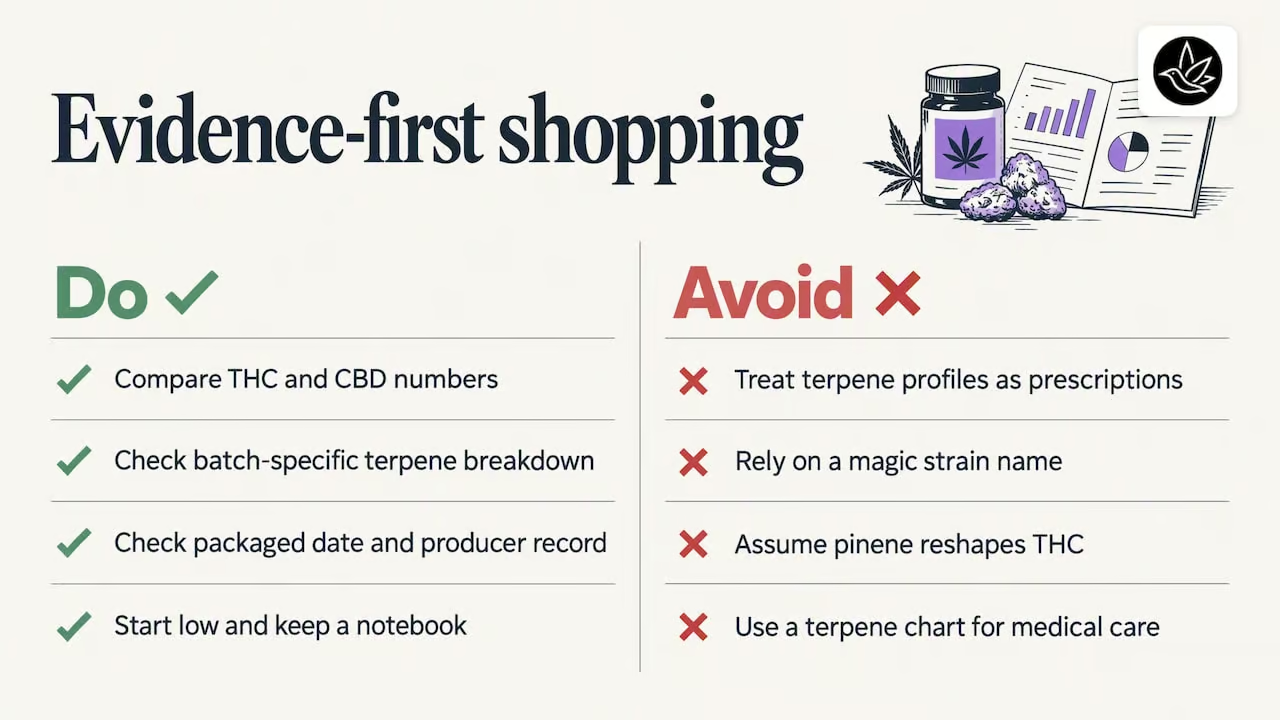
Our curated craft selection is built with that in mind. We favour growers who publish detailed information, and we put that information on product pages so you can compare. When someone tells us they want something bright and piney, we point them to the terpene details, not a magic strain name, and we encourage a low starting dose and a notebook. If you’re after the other end of the aroma map, our write-ups on limonene, caryophyllene and myrcene take the same evidence-first approach.
And if you use cannabis for a medical reason, we’d always want you working with your health care practitioner rather than a terpene chart.
— Nick
Shopping for a pinene-forward profile in Ontario
When you’re browsing, use this short checklist:
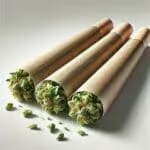
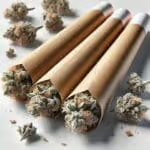
- Pick the format first. Flower and pre-rolls give the fullest aroma. Vapes and extracts vary a lot in what terpenes they keep. Edibles rarely carry the terpene experience at all.
- Check labels. Our guide to cannabis product labels in Canada shows what each line means.
- Start low. Particularly with high-THC flower. Wait before you go again.
- Consider the delivery method. If you’re weighing the lungs against other options, vaping versus smoking covers the trade-offs, and THC versus CBD edibles starts at 2.5 mg.
- Keep notes. Product, batch, dose, time, and how you felt.
If you want to compare terpene profiles side by side, our shop lists flower, pre-rolls, vapes, extracts, edibles, drinks and CBD, with one-hour delivery in Durham Region and the GTA. Medical orders can ship Canada-wide. You must be of legal age, and delivery is only for provinces and places where it is permitted.
Safety and legal basics
- Age and place. Cannabis is for adults of legal age in your province. Ontario delivery rules apply to our deliveries.
- Don’t drive or operate machinery after using cannabis.
- Pregnancy, breastfeeding, heart or lung conditions, mental health conditions: speak to your doctor or pharmacist before using cannabis.
- Medications: cannabis can interact with some. Ask a pharmacist.
- Respiratory issues: don’t treat pinene’s reputation as an airway aid. Smoke and vapour can irritate lungs.
Cannabis products also vary in chemistry from batch to batch, so what you felt once may not repeat. That’s normal, and it’s another reason to track what you try.
FAQ
What does pinene do?
Pinene gives cannabis, pine trees and some herbs their pine scent. Lab and animal studies suggest it may have calming or anti-inflammatory properties, but Health Canada notes there are no established human clinical trials confirming such effects from cannabis terpenes. Treat it as an aroma clue, not a treatment.
How does pinene make you feel?
People often describe pinene-forward cannabis as bright and clear-headed, but those reports are anecdotal. THC dose, your tolerance and your setting usually shape the experience more than any one terpene. Start with a low dose and note how you feel.
Does pinene counteract THC?
That is a common claim, yet the lab evidence doesn’t back it. A 2019 study found alpha-pinene and beta-pinene did not change THC’s activity at human CB1 or CB2 receptors in cell models. If THC feels like too much, a lower dose is the reliable fix.
What is the difference between alpha-pinene and beta-pinene?
They are two forms of the same molecule family, with alpha having the sharper pine note and beta a greener, woodier one. In the zebrafish study, the two mirror-image forms of alpha-pinene produced different outcomes, so form matters. Most product labels don’t separate them.
Do higher terpenes mean a better high?
Not necessarily. A higher total terpene figure usually means stronger aroma, but research summaries are clear that high terpenes do not universally mean a stronger or better high. Use the figure to compare freshness and aroma, then judge by your own notes.
Sources
- About cannabis, Health Canada
- Cannabis and cannabinoids: information for health care professionals, Health Canada
- Acyclic, monocyclic and bicyclic monoterpenes group, Health Canada
- Cannabis, Canadian Centre on Substance Use and Addiction
- Effects of cannabis terpenes beta-caryophyllene and alpha-pinene on zebrafish, Scientific Reports
- Absence of Entourage, PMC
- Terpenoids From Cannabis Do Not Mediate an Entourage Effect, PMC
- Secondary Terpenes in Cannabis sativa L., PMC
- The Biology of Cannabis sativa L., Canadian Food Inspection Agency