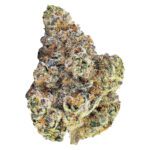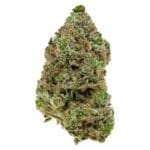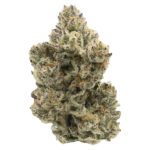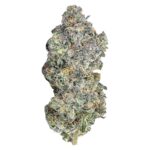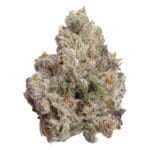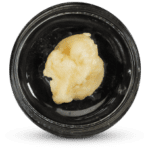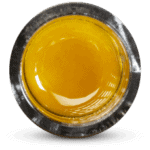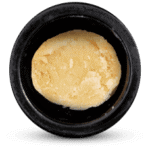
Terpene-rich cannabis is flower or extract carrying a higher concentration, or a more distinctive mix, of the aromatic compounds that steer smell, flavour and often the feel of a session. That matters because these compounds, not just THC percentage, tend to predict whether a strain calms you down or wakes you up. Emerging human research backs some specific terpene and THC interactions, but the science is still narrower than most marketing suggests.
TL;DR:
- Higher terpene content generally indicates greater aroma and flavor, but the effects depend more on the specific ratios of top terpenes than the total percentage.
- Genetic potential sets the ceiling for terpene production, but cultivation conditions and harvest timing significantly influence the actual terpene profile of a product.
- Lab testing, especially of the top three terpenes and their relative ratios, provides more reliable guidance than relying solely on strain names or overall terpene percentages.
- The evidence supports that some terpenes, like d-limonene, can reduce THC-induced anxiety at specific ratios, but results vary based on dosage, method, and individual chemistry.
- When shopping, focus on the terpene panel, ask for batch or lot numbers, and trust your nose along with lab data to find consistently satisfying, terpene-rich products.
Table of Contents
- What is terpene rich cannabis and where do terpenes come from?
- Does the entourage effect actually change how cannabis feels?
- What do the main cannabis terpenes actually do?
- What does a high total terpene percentage actually tell you?
- How do you shop for terpene rich cannabis strains with confidence?
- Is terpene rich cannabis safe, and what should you watch for?
- How Montrose Cannabis helps you find your own terpene-rich strains
- Selected primary sources and further reading
- Why terpene literacy matters more than chasing a number
- Ready to build your own terpene shortlist?
- Sources
- FAQ
What is terpene rich cannabis and where do terpenes come from?
Terpenes form in the same trichomes that produce THC and CBD, the tiny resin glands covering the flower’s surface. That shared origin explains why cannabinoid and terpene levels often move together, though not in lockstep. A plant loaded with resin usually smells strong before you even grind it, and that smell is your first, most honest clue about what is inside.
Genetics set the ceiling. A cross-bred for a specific chemovar (the plant’s overall chemical signature, not its indica or sativa label) will lean toward certain terpenes regardless of how it’s grown. But genetics only set potential. What happens after that determines whether a plant hits that ceiling or falls well short of it.
Cultivation conditions matter just as much as the seed. Light spectrum, humidity, feeding schedule, and even how much stress the plant experiences before harvest all shift terpene output. Harvest timing is one of the most underrated variables here: pull a plant too early and volatile terpenes haven’t fully developed; wait too long past peak ripeness and some of the lighter, more aromatic compounds begin degrading.
Curing and storage decide what survives after harvest. Terpenes are volatile by nature, which is exactly what makes them smell so strongly, and that volatility means they evaporate under heat, light, and poor airflow. A jar left near a window or a bag squeezed of all its air will lose terpene content over weeks, even if the bud looked perfect on day one.
Product type changes the math entirely:
- Dried flower holds terpenes loosely, exposed to oxygen and light with every handling.
- Live resin and fresh-frozen extracts capture terpenes at their peak by freezing plant material almost immediately after harvest, before drying and curing strip anything away.
- Distillates often lose nearly all native terpenes during processing and rely on reintroduced terpenes for flavour.
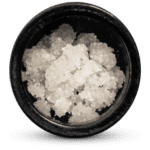
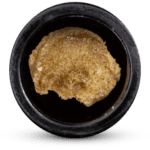
- High Terpene Full Spectrum Extract (HTFSE) concentrates volatile compounds specifically, which is why their terpene percentages look dramatically higher than flower.
None of this is decoration. It’s the reason two jars of the same strain name, bought a month apart, can smell and hit differently. If you’ve ever wondered why your favourite cut felt “off” the second time, the answer is usually sitting somewhere in this chain: genetics, growing conditions, harvest timing, or how it was stored between the farm and your hands.
Does the entourage effect actually change how cannabis feels?
The entourage effect describes the idea that cannabinoids and terpenes work together, producing effects that differ from THC or CBD acting alone. It’s one of the most repeated claims in cannabis marketing, and also one of the most misunderstood, because the evidence supporting it is real but far more limited than the phrase implies.
The strongest human data point comes from a controlled laboratory study on vaporized d-limonene, the citrus terpene found in strains like Super Lemon Haze. Researchers gave healthy adults who use cannabis intermittently a combination of THC and d-limonene, then measured anxiety responses.
D-limonene selectively reduced THC-induced anxiety, with the effect most pronounced at a 2:1 ratio of THC to d-limonene under study conditions.
That’s a genuinely important finding. It’s also narrower than most headlines suggest: the ratio tested was precise, controlled, and delivered by vaporizer, not smoked flower with whatever ratio nature happened to produce. The same research team notes that the concentrations used in the study may not match what’s naturally present in unadulterated retail flower, which means you shouldn’t assume any lemon-scented strain will replicate the lab result.
Preclinical work adds another layer. A study on terpene blends extracted from distinct cannabis chemovars found that certain combinations produced cannabimimetic behaviours and relieved chemotherapy-induced nerve pain in mice, and the mechanism involved activation of the Adenosine A2a receptor, not the CB1 or CB2 receptors THC and CBD typically bind to. That’s a meaningful clue: some terpene effects may not run through the cannabinoid system at all, which could explain why certain terpene-rich strains feel distinct even at similar THC levels.
The anxiogenic response dropped notably in the d-limonene study’s most effective ratio condition, based on the researchers’ own reported outcome measures, though the exact figure varied by dose and individual.
Broader review literature backs the general idea that terpenes carry pharmacological activity worth taking seriously, while cautioning that human clinical data remain limited across most terpenes beyond d-limonene. That’s the honest state of the science in 2026: real mechanisms, real signals, but not yet a reliable formula you can apply to every jar on a shelf. Montrose Cannabis breaks this down further in its own explainer on what the entourage effect really means for your cannabis choices, which is worth a read if you want the fuller mechanism-by-mechanism picture.

What do the main cannabis terpenes actually do?
Reading a Certificate of Analysis becomes a lot more useful once you know what each terpene tends to contribute. None of these are guarantees, since individual body chemistry and the surrounding cannabinoid profile both shift outcomes, but the directional patterns below show up consistently enough to guide a purchase.
- Myrcene. Earthy, musky, sometimes compared to ripe mango. It’s the most abundant terpene in many commercial strains and is popularly linked to sedation, though the human evidence for that specific claim is thinner than its reputation suggests. Montrose covers the mechanism in more detail on its dedicated page about what the cannabis terpene myrcene does.
- Limonene. Bright citrus, the terpene behind that unmistakable lemon or orange smell. It carries the best human-lab support of any terpene for reducing acute THC anxiety, and shoppers looking for a smoother, mood-forward experience often gravitate toward limonene-dominant cuts. Montrose has a full breakdown of limonene’s effects on mood, anxiety and safety.
- Caryophyllene. Spicy and peppery, the only major cannabis terpene known to bind directly to CB2 receptors. That receptor activity is why it’s frequently associated with anti-inflammatory and pain-related use cases. Read more on caryophyllene’s effects, evidence and safety.
- Pinene. Sharp pine, sometimes rosemary-like. Beyond the classic alertness association, some researchers have floated pinene as a possible counterbalance to THC’s short-term memory effects, though this remains an area with less direct human confirmation than the limonene work.
- Linalool. Floral, lavender-like, often the terpene behind a calming or anxiolytic reputation. It shows up in strains marketed for stress relief and evening use.
- Terpinolene. Less common, with a complex herbal, slightly floral and piney character. Strains where terpinolene dominates are often described as more energizing or creative rather than sedating.
- Ocimene. Sweet, herbaceous, sometimes woody. It rarely dominates a profile on its own but often shows up as a supporting note alongside limonene or pinene in citrus-forward strains.
Pro Tip: Don’t shop for a single “hero” terpene. Look at the top three terpenes together and their relative ratios. A limonene-dominant strain with a strong caryophyllene second note behaves differently than one where linalool sits in that second spot, even if limonene tops both COAs.
What does a high total terpene percentage actually tell you?
A total terpene percentage on its own tells you less than most menus imply. Context, meaning the product type and the ratio between the top compounds, matters more than the headline number.
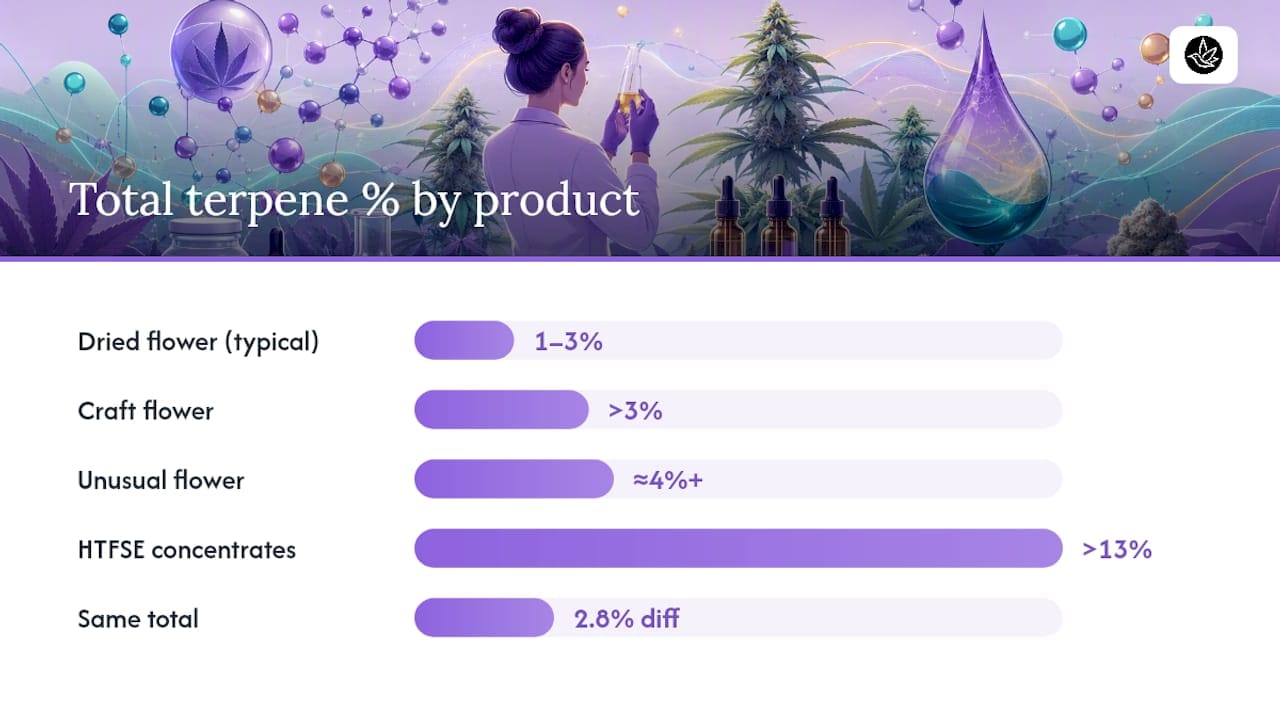
Commercial dried flower typically lands somewhere in the 1% to 3% total terpene range, according to consumer terpene data compiled by lab-testing analysts. Flower testing above 3% is genuinely aromatic and often commands a price premium as a craft or boutique cut. Anything creeping toward 4% or higher is unusual enough to be worth trying if the ratio also appeals to you.
Concentrates play an entirely different game. HTFSE products, which commonly list terpene percentages above 13%, aren’t eleven times more aromatic than good flower in any meaningful sense. The extraction process concentrates volatile compounds that would otherwise be a tiny fraction of the plant’s total mass, so comparing a 15% HTFSE terpene reading against a 2.5% flower reading is comparing two different product classes, not two points on the same scale.
That’s why the ratio between your top three terpenes usually tells you more than the total. Two flowers testing at an identical 2.8% total can produce noticeably different sessions if one leads with myrcene and caryophyllene while the other leads with limonene and pinene. The number on the label is a starting point. The combination underneath it is the actual story.
How do you shop for terpene rich cannabis strains with confidence?
Reading a COA properly takes less time than scrolling a dispensary menu, and it tells you far more. Here’s a practical sequence to use whether you’re browsing in person or online.
- Find the terpene panel, not just the cannabinoid panel. Many COAs bury terpene data on a second page or a separate tab. Look for percentages listed by weight, and check the test date, since older COAs may not reflect the batch actually on the shelf.
- Identify the top three terpenes and their order. This combination is more predictive of the actual experience than total percentage, echoing the “steering wheel” framing that cannabis researchers at the University of Arizona use when explaining terpene ratios to new shoppers.
- Ask your budtender for the batch or lot number, not just the strain name. Strain names are marketing labels; the actual chemistry can shift meaningfully between harvests of the “same” cultivar.
- Trust your nose as a first filter, then confirm with the COA. A strong, fresh aroma is a decent proxy for terpene richness, but lab confirmation remains the reliable check since smell alone can’t tell you the specific ratio.
- Note the COA whenever you find a cut you like. Batch variability is real. If a strain worked well for you once, jot down the lot number and terpene ratio so you can look for something close the next time, rather than assuming the strain name alone guarantees a repeat experience.
- Decide between flower and concentrate based on goal, not habit. If you want a full-flavour, moderate-intensity session, terpene-rich flower usually delivers better aromatic nuance. If you want a stronger, faster onset with a specific terpene emphasis, a terpene-forward concentrate or HTFSE product concentrates that profile more intensely.
Pro Tip: Skip the indica and sativa labels entirely when you’re chasing a specific feeling. Those categories describe plant morphology, not chemistry, and chemovar composition (the actual terpene and cannabinoid mix) predicts the experience far more reliably.
Is terpene rich cannabis safe, and what should you watch for?
Inhaling concentrated terpenes at the doses used in laboratory studies is one thing; inhaling whatever concentration nature and processing happen to produce in a jar of flower is another, and the safety data on that gap is still thin. Most terpene research to date has focused on ingestion or controlled vaporization at known doses, not the variable exposure of a typical smoking or vaping session.
- Some terpene combinations, particularly d-limonene at specific ratios, show real anxiety-reducing potential alongside THC, but that protective effect isn’t guaranteed across every terpene pairing or every dose.
- A substantial reduction in anxiogenic response was observed at the most effective THC to d-limonene ratio tested, a figure specific to that lab setting and not a universal guarantee for every product combination.
- If you take prescription medication, particularly anything metabolized by the liver’s cytochrome P450 pathway, talk to a pharmacist or physician before combining it with concentrated terpene products, since interactions with common medications remain understudied.
- Store flower and concentrates in airtight, opaque containers away from heat and light. Terpene loss over time isn’t just an aroma issue; it changes the ratio you’re actually consuming compared to what the COA on the package described.
- Start with a small amount of any new terpene-forward product, especially concentrates where compounds are more concentrated, and give yourself time to gauge the effect before increasing your dose.
None of this means terpene-rich products are riskier than standard cannabis. It means the marketing promise (specific terpene, specific feeling, guaranteed) is running ahead of what controlled research has actually confirmed. Treat every terpene claim as a reasonable hypothesis worth testing on yourself, not a settled fact.
How Montrose Cannabis helps you find your own terpene-rich strains
Building a personal terpene shortlist takes a bit of trial and comparison, and having the right resources on hand speeds that process up considerably. Montrose Cannabis publishes dedicated educational pages on individual terpenes, including deep dives on myrcene, limonene, and caryophyllene, so you can cross-reference a COA against real explanations instead of guessing from a strain name alone.
Some product pages include terpene-forward options where COA data is available to review before buying, which matters if you’re trying to track ratios across purchases rather than relying on memory. That’s the practical advantage of buying somewhere that treats lab data as part of the shopping experience, not an afterthought buried in a QR code nobody scans.
Because some services offer fast delivery across Durham Region and the GTA, testing a small quantity of a new terpene profile doesn’t require committing to a large purchase or waiting days to see how it actually feels. Order a smaller format, note the batch, and compare it against your next pick. Over two or three rounds, a real personal pattern starts to emerge, which is a far more reliable guide than any general terpene chart, including this one.
Selected primary sources and further reading
- Vaporized d-limonene human lab study: the controlled trial showing d-limonene reduces THC-induced anxiety at specific ratios in healthy adults.
- Terpene blends and A2a receptor activation: preclinical evidence for cannabimimetic and pain-relieving terpene mechanisms outside the CB1/CB2 system.
- Terpenes/Terpenoids in Cannabis review: a broad summary of terpene pharmacology and the gaps in human clinical data.
- University of Arizona health sciences terpene explainer: practical framing for reading top-three terpene ratios on a COA.
- ScienceInsights terpene level guide: consumer-facing data on typical terpene percentage ranges across flower and concentrates.
- Project CBD terpene primer: an accessible starting point for the six terpenes worth learning first.
Why terpene literacy matters more than chasing a number
The biggest mistake I see cannabis consumers make isn’t ignoring terpenes. It’s treating a single terpene name on a package like a guarantee instead of a clue. The strongest human evidence we have, the d-limonene work, is specific to a particular ratio tested under lab conditions. That’s not a reason to dismiss the research. It’s a reason to hold it with the right amount of confidence, neither treating “high limonene” as meaningless marketing nor as a promise your flower will replicate a clinical trial.
What actually works is tracking your own results. Note the top three terpenes on a COA when you find something you like, then look for that same combination the next time you shop, rather than chasing a strain name that may not mean much between harvests. Small, deliberate tests beat broad assumptions every time.
The author brings a background in cannabis retail education and evidence-based product guidance, with a focus on translating peer-reviewed terpene research into practical shopping decisions for everyday consumers. If you try a terpene combination based on something in this guide, pay attention to what actually happens, not just what the label promised.
— Nick
Ready to build your own terpene shortlist?
Most guides stop at explaining terpenes and leave you to figure out where to actually find a COA-backed product worth trying. This gap is closed by pairing curated, terpene-forward drops with accessible lab data and fast delivery across Durham Region and the GTA, so testing a new profile doesn’t mean committing blind to a full package.

Start by learning why your favourite cuts smell the way they do on the science behind cannabis aroma page, then check the COA on a terpene-forward pick before you order. Comparing two or three small batches against each other, with the ratio noted each time, will teach you more about your own preferences than any general chart. When you’re ready to test a profile for yourself, browse current drops and place a small order through same-day delivery in Durham Region to see how it actually feels before committing to a larger purchase.
This article is general information, not a substitute for advice from a qualified doctor. Consult a qualified healthcare professional about your own circumstances before acting on anything here.
Sources
- Vaporized D-limonene selectively mitigates the acute anxiogenic effects of Δ9-tetrahydrocannabinol in healthy adults who intermittently use cannabis
- Terpene blends show cannabimimetic and antinociceptive effects via A2aR activation (PMC study)
- Terpenes/Terpenoids in Cannabis: Are They Important?
- What does higher terpenes mean? Levels and effects – ScienceInsights
- Project CBD – Terpenes
FAQ
What cannabis has the highest terpenes?
Terpene-forward concentrates like HTFSE typically list the highest percentages, often above 13%, because extraction concentrates volatile compounds. Among dried flower, craft or boutique cuts testing above 3% total terpenes are considered notably aromatic, well above the common 1% to 3% range.
Does higher terpene content mean a better high?
Not automatically. A higher total tells you the product is more aromatic, but the ratio between the top three terpenes influences the actual feel of the experience more than the raw percentage does, since different combinations steer effects in different directions.
Is smoking terpenes bad for you?
Current research on inhaling concentrated terpenes at real-world doses is still limited, and most human studies have used controlled vaporization rather than combustion. Choosing lab-tested products, starting with small amounts, and storing flower properly to limit degradation are reasonable harm-reduction steps until more data exists.
What are the best terpenes in cannabis for anxiety relief?
D-limonene has the strongest human-lab support, reducing THC-induced anxiety at specific ratios in a controlled study, with linalool also carrying a longstanding reputation for calming effects. Neither is guaranteed to work identically across every product, since retail ratios rarely match exact study conditions.
How do I know if a strain is genuinely terpene rich?
A strong, distinctive smell is a useful first signal, but lab data confirms what your nose is picking up.