


A cannabis lot number is a unique code assigned to a specific production batch, linking every package you buy to a complete record of how that product was grown, processed, and tested. Health Canada mandates that all legal cannabis products sold in Canada display a lot number and packaging date on the label. That single requirement is the foundation of consumer protection in the Canadian cannabis market. If you’ve ever wondered what that string of letters and numbers on your package actually means, this guide breaks it down clearly so you can buy with confidence.
What is a cannabis lot number and how is it structured?
A cannabis lot number, also called a batch number, is a manufacturer-assigned identifier that ties a physical product to one specific production run. Lot numbers enable precise recalls if contamination or potency issues arise, making them the most critical piece of information on any cannabis label.
The format varies by producer. Most lot numbers combine letters, numbers, and sometimes symbols to encode details like:
- The facility or cultivation site where the batch originated
- The harvest or production date of that specific run
- An internal sequence number that separates it from other batches made the same day
- The product type or strain category associated with that run
One thing that trips up many buyers is confusing the lot number with the UID number. These are two different identifiers. Lot numbers track internal production batches, while UID numbers serve government-mandated seed-to-sale compliance tracking. Never use them interchangeably when asking a budtender or producer about a product’s history.
Pro Tip: Look for the lot number near the packaging date on the label. On most Canadian cannabis products, these two pieces of information appear together, making it easy to cross-reference both when checking a Certificate of Analysis.
Why are lot numbers required on cannabis products in Canada?
Health Canada’s labelling regulations exist to protect you, not just to create paperwork for producers. Every legal cannabis product sold in Canada must carry a lot number as a non-negotiable requirement. This rule gives regulators and consumers a shared reference point for every product on the market.
The regulatory reasons for this requirement are straightforward:
- Consumer traceability. The lot number connects your package to the exact batch tested before sale, so you can verify what you’re consuming.
- Recall efficiency. When a safety issue surfaces, regulators use lot numbers to pull only the affected batch from shelves. Without a lot number, traceability drops to zero and broad shutdowns become the only option.
- Potency verification. Lab testing results are tied to a specific lot. The lot number is how you confirm that the THC or CBD percentage on the label matches what was actually tested.
- Regulatory oversight. Health Canada can audit any producer’s records by cross-referencing lot numbers with production logs, test results, and distribution data.
“Lot numbers are the primary element for regulators and manufacturers to conduct targeted recalls rather than broad shutdowns.” — Cannabis product label guidance
The practical result for you as a buyer is simple. A lot number on a legal product means accountability exists. A product without one is a red flag that it may not be from a licensed producer operating under Canadian law.
How do you verify cannabis product safety using a lot number?
Verifying your cannabis product takes less than five minutes and gives you real confidence in what you’re buying. The process centres on matching the lot number on your package to the lot number on the Certificate of Analysis, commonly called a COA.
Follow these steps:
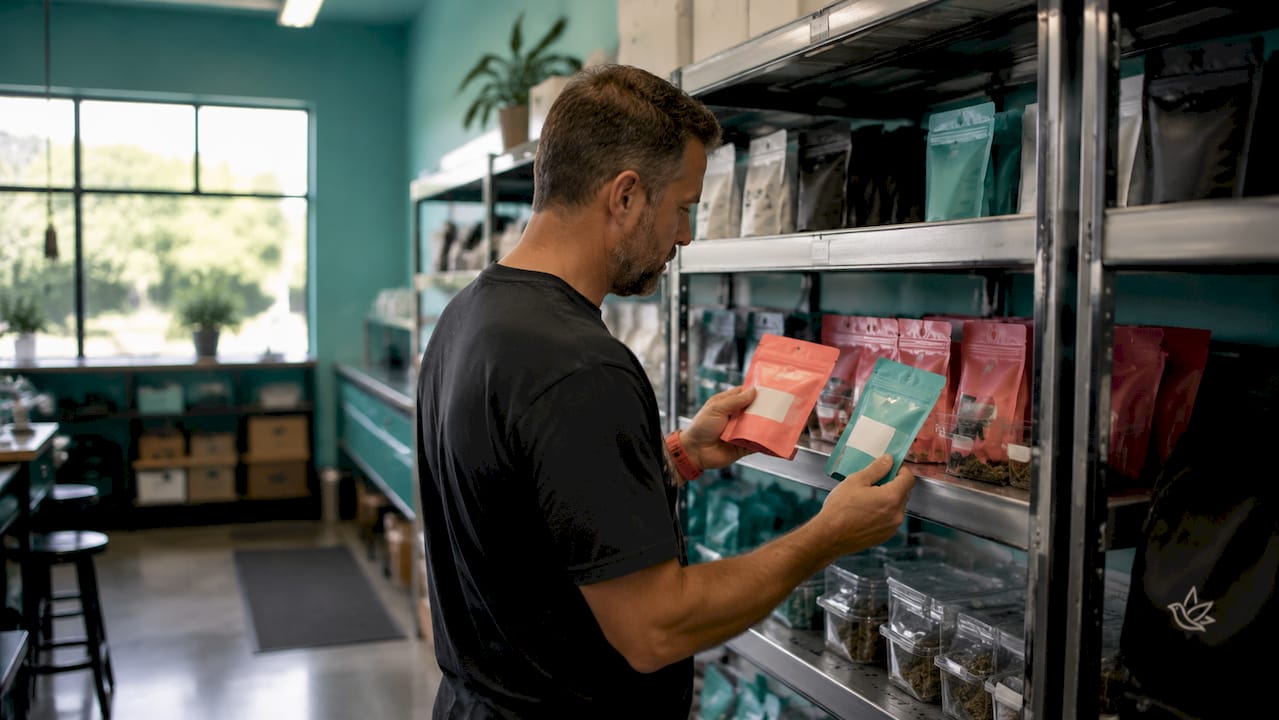
- Find the lot number on the package. It’s usually printed near the packaging date, often on the bottom or side panel of the label.
- Scan the QR code on the packaging. Most licensed Canadian producers include a QR code that links directly to the COA for that specific batch. Scanning the QR code gives you instant access to lab results without any searching.
- Match the lot numbers. Confirm that the lot number printed on the package matches the lot number listed at the top of the COA document.
- Check the test date. COA results older than 12 months may not reflect the current condition of the product. Look for a test date that aligns reasonably with the packaging date.
- Review potency and contaminant results. Confirm the THC and CBD percentages match the label claims. Check that the COA shows passing results for pesticides, heavy metals, and microbials.
Pro Tip: If the lot number on the package does not match the lot number on the COA, do not consume the product. Contact the retailer immediately and report the discrepancy to Health Canada.
| What to check | What a pass looks like | What a mismatch means |
|---|---|---|
| Lot number on package vs. COA | Numbers are identical | Product may be mislabelled or fraudulent |
| Test date vs. packaging date | Test is recent and pre-dates packaging | Results may not reflect current product |
| Potency on label vs. COA | Percentages align within tolerance | Label may be inaccurate |
| Lab accreditation | ISO 17025 certified lab listed | Results may not be reliable |
How do cannabis lot numbers enable traceability and recalls?
Lot numbers are the backbone of what the industry calls seed-to-sale tracking. Seed-to-sale systems store lot lineage as structured data, creating an unbroken chain of custody from harvest to the retail shelf. That chain can be traced in seconds when a problem arises.
Here is how the traceability chain works in practice:
| Stage | What gets recorded | How lot number connects it |
|---|---|---|
| Cultivation | Harvest date, strain, grow conditions | Parent lot number assigned at harvest |
| Processing | Extraction or trimming batch details | Child lot linked to parent harvest lot |
| Testing | Lab results, potency, contaminant data | COA issued under the same lot number |
| Packaging | Package date, weight, format | Lot number printed on final label |
| Retail | Point-of-sale record | Lot number logged in compliance system |
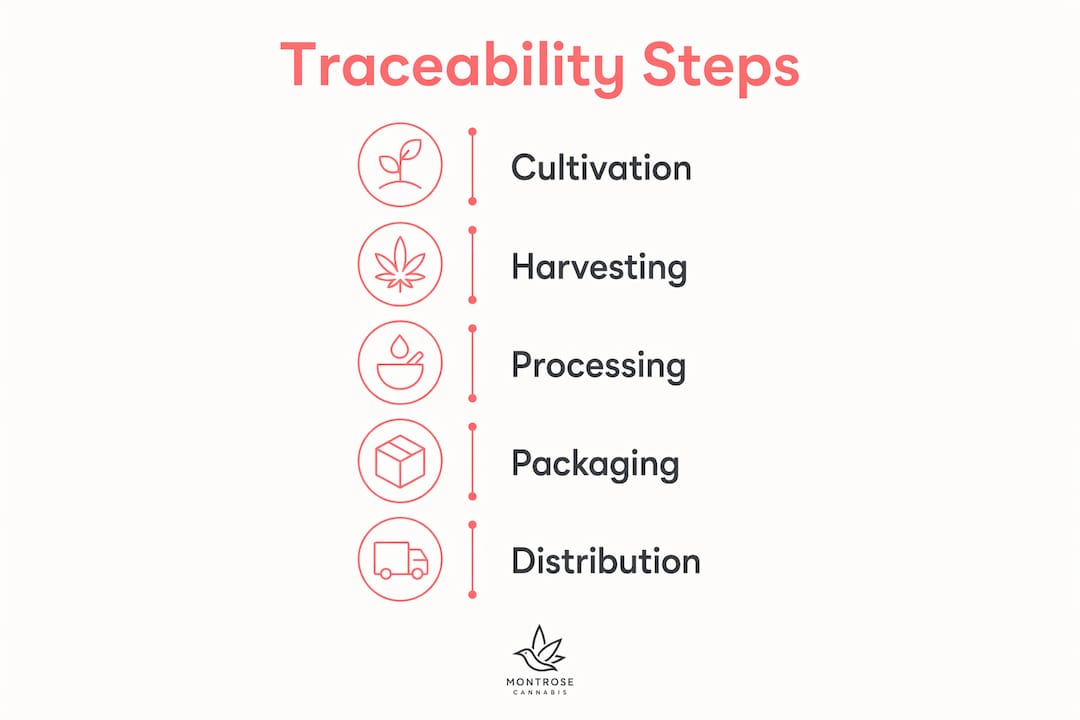
The distinction between parent and child lots matters when a recall happens. A producer can trace a child lot back to the parent harvest lot, identifying every product made from that same source material. Accurate lot tracking prevents discrepancies between point-of-sale systems and compliance records, which is what keeps a targeted recall from becoming a full facility shutdown.
The key differences between lot numbers and UID numbers are worth repeating here:
- Lot numbers are assigned by the manufacturer and track internal production batches.
- UID numbers are assigned by government seed-to-sale compliance systems like Canada’s Cannabis Tracking System.
- Lot numbers appear on consumer packaging. UID numbers are used in regulatory databases.
- Asking a retailer about a “lot number” and a “UID number” will get you two very different answers.
Modern seed-to-sale software links these records with machine-readable data rather than free-text logs, which makes traceability fast and reliable. Disconnected or handwritten records slow down recalls and create compliance risk for producers.
Key takeaways
A cannabis lot number is the single most important identifier on your package, connecting your product to its full production and testing history.
| Point | Details |
|---|---|
| Lot number definition | A unique code assigned to one production batch, required by Health Canada on all legal cannabis labels. |
| COA verification | Match the lot number on your package to the lot number on the Certificate of Analysis before consuming. |
| Recall function | Lot numbers allow regulators to pull only affected batches, avoiding unnecessary broad product shutdowns. |
| Lot vs. UID | Lot numbers track manufacturer batches; UID numbers track government compliance records. Never confuse the two. |
| Test date matters | COA results older than 12 months may not reflect current product condition; always check the test date. |
Why I think most cannabis buyers overlook the most useful thing on the label
Most people glance at the THC percentage and move on. The lot number sits right there on the label, and almost nobody checks it. I get it. It looks like a random string of characters. But that string is actually the most useful thing on the package if you know what to do with it.
The biggest misconception I see is that consumers think the COA is something separate from the lot number, something they’d only need if something went wrong. The lot number is how you find the COA. It’s the anchor. Scan the QR code, match the numbers, and you’ve just done something most buyers never bother with.
My honest advice is this: if a retailer can’t tell you how to access the COA for a product, or if the QR code leads nowhere, walk away. That’s not paranoia. That’s just knowing what the legal market is supposed to deliver. Licensed producers operating under Health Canada’s rules have this information available. If it’s missing, the product may not be what it claims to be.
Ask questions at the counter. A good retailer, like the team at Montrosecannabis, will know exactly what you’re asking and point you to the right documentation without hesitation. That kind of transparency is what separates a trusted source from a gamble.
— Nick
Verified products, clear labels, and fast delivery from Montrosecannabis
Montrosecannabis sources craft cannabis from top-tier licensed producers who meet Health Canada’s labelling and lot tracking requirements. Every product in the catalogue carries a proper lot number and packaging date, so you can verify your purchase before you open the bag.
Whether you’re picking up flower, concentrates, or edibles, Montrosecannabis makes it easy to buy with confidence. The team serves the Durham Region and GTA with one-hour delivery, and their 4.9-star Google rating reflects a consistent commitment to quality and compliance. Browse new arrivals to see what’s in stock, or check out the full cannabis seeds catalogue for verified, lot-tracked options. If you’re in Ontario, same-day delivery is available right now.
FAQ
What is a cannabis lot number?
A cannabis lot number is a unique identifier assigned by the producer to a specific production batch. Health Canada requires it on all legal cannabis labels in Canada to support traceability and consumer safety.
Where do I find the lot number on a cannabis package?
The lot number is typically printed near the packaging date on the side or bottom panel of the label. It often appears alongside a QR code that links to the product’s Certificate of Analysis.
What is the difference between a lot number and a UID number?
A lot number is assigned by the manufacturer to track internal production batches. A UID number is assigned by government seed-to-sale compliance systems and is used for regulatory tracking, not consumer-facing verification.
How do I use a lot number to verify product safety?
Scan the QR code on the packaging to access the Certificate of Analysis, then confirm the lot number on the package matches the lot number on the COA. Also check that the test date is recent and that potency and contaminant results align with the label.
What should I do if the lot numbers don’t match?
Do not consume the product. Contact the retailer to report the discrepancy and, if needed, file a report with Health Canada. A mismatch between the package lot number and the COA lot number is a serious red flag for mislabelling or fraud.