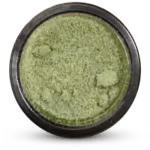
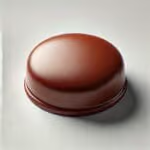
Nano THC is regular THC that has been broken into extremely small droplets and blended (emulsified) so it mixes into water-based products like drinks, gummies and tinctures. Those tiny droplets are meant to be absorbed faster and more evenly than THC in plain oil. For you, that can mean effects that arrive sooner, can feel stronger at the same milligram dose, and still need patience and a low starting dose.
That last part matters most in Canada, where the label on the package still tells you the real story: the THC amount in milligrams, not the marketing term on the front.
TL;DR
- Nano THC is THC that has been emulsified into very small droplets so it blends into water-based products and is absorbed more efficiently.
- In one 2025 crossover study, a nano-emulsified formulation reached peak levels of the active metabolite in about 0.86 hours, versus 4.54 hours for an oil-based product.
- The same study found more than double the relative bioavailability, so the same milligram dose can feel stronger.
- Canadian limits do not change: legal edibles are capped at 10 mg of THC per package, and Health Canada advises beginners to start at 2.5 mg or less.
- “Fast-acting” does not mean “instant”. Wait at least four hours before taking more.
Table of Contents
- What “nano THC” actually means
- How it works in your body
- Nano THC vs regular THC edibles
- Why faster is not the same as safer
- Canadian rules that still apply
- How to dose nano THC without regretting it
- Where nano THC tends to show up
- Our take: speed is a feature, not a shortcut
- Browse and order from Montrose
- Label checklist before you buy any “nano” product
- FAQ
- Sources
What “nano THC” actually means
THC is lipophilic, which is a technical way of saying it likes fat and dislikes water. That is why it dissolves easily in oil or butter and not in a soda. If you pour THC oil into a drink, it floats and separates, and you get uneven dosing from sip to sip.
Nano-emulsification solves that problem. The THC is combined with carriers and emulsifiers and processed into microscopic droplets that stay suspended in liquid. You will also see it called nano-emulsified THC, nanoemulsion, water-soluble THC or fast-acting THC. They all point to the same idea: smaller droplets, better mixing, and different absorption.
Two things nano THC is not:
- It is not a different cannabinoid. It is the same delta-9 THC, delivered differently.
- It is not a stronger plant. Potency per package is still set by the milligrams on the label. What changes is how much of that dose your body takes in, and how quickly.
How it works in your body
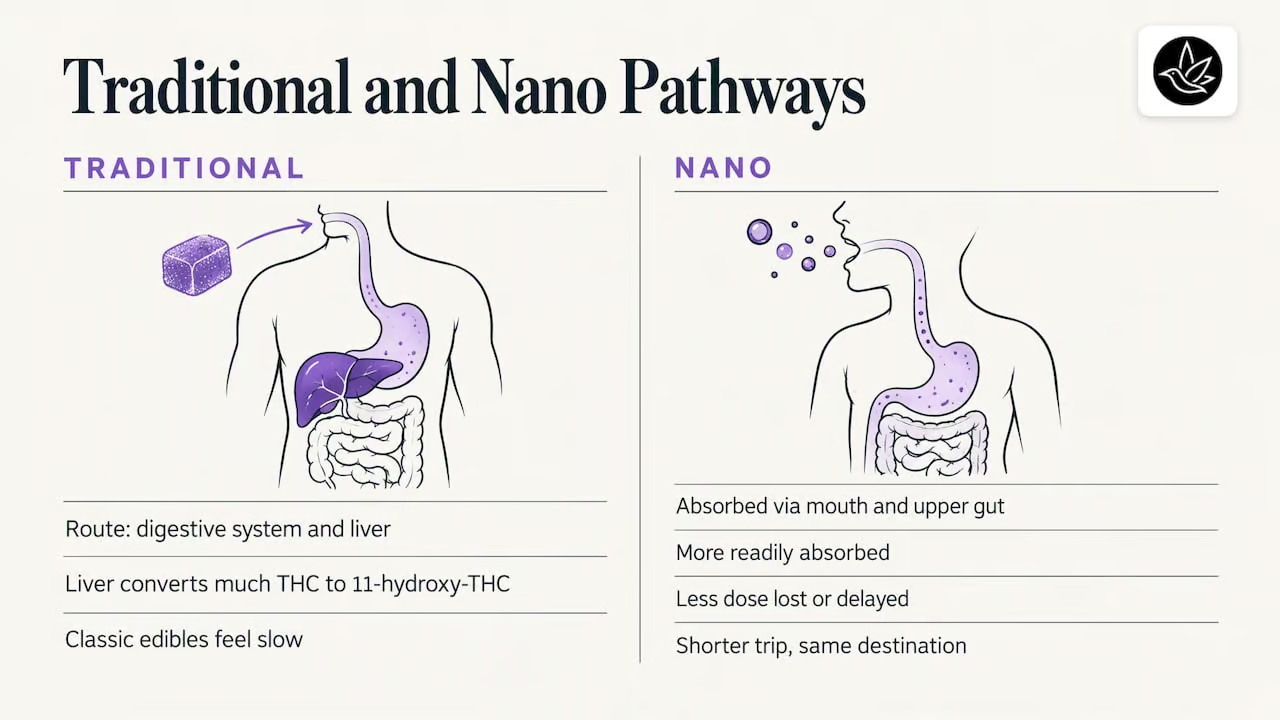
When you swallow a traditional edible, THC travels through your digestive system and liver before it gets anywhere near your brain. Your liver converts a big share of it into 11-hydroxy-THC, a metabolite that Health Canada notes is stronger than THC itself. That trip is why classic edibles feel slow and can hit hard.
The idea behind nano formulations is to shorten that trip. Researchers describe the tiny droplets as being absorbed more readily, partly through the lining of the mouth and upper digestive tract, so less of the dose is lost or delayed on the way. Think of it as a faster, more efficient doorway rather than a different destination.
What the research found
The best evidence in our research is a 2025 crossover study comparing a self-nanoemulsifying delivery system with a commercial oil-based formulation. Two findings stand out:
- Speed. The time to peak concentration of 11-OH-THC dropped to roughly 0.86 hours with the nano-emulsified formulation, compared with 4.54 hours for the oil-based drops.
- Amount absorbed. The nano formulation achieved more than double the relative bioavailability of cannabinoids, meaning more of the dose reached the bloodstream.
A fair reading keeps some limits in mind. This was one study of one specific formulation, and it was not testing a retail gummy or a can of cannabis soda. Different brands use different carriers and droplet sizes, so results will vary from product to product. Treat the numbers as proof of the principle, not a promise about whatever you pick up.
Nano THC vs regular THC edibles
Here is how the two compare in practice.
| Regular edible | Nano-emulsified product | |
|---|---|---|
| Mixes into water-based drinks | Poorly, tends to separate | Yes, stays suspended |
| Typical onset | Health Canada says 30 minutes to 2 hours | Often reported as quicker, but varies by person and product |
| Full effects | Up to 4 hours | Can still build for hours, especially with food in your stomach |
| Absorption | Lower, much lost to first-pass metabolism | Higher in the 2025 study, more than double for that formulation |
| Dose feel | Predictable once you know your tolerance | Can feel stronger at the same mg, so go lower |
| Legal cap per package | 10 mg THC | 10 mg THC |
The takeaway is that a nano product is not just “a faster edible”. Faster onset and better absorption together change the experience, and your usual dose may not translate.
Why faster is not the same as safer
Ontario’s public health reporting points to a consistent problem with edibles: because the effects are delayed, people take more before the first dose has kicked in. That is how accidental overconsumption happens. Fast-acting technologies are an attempt to close the gap between smoking and ingesting, but the basic risk of taking more than intended before you feel the full effect has not gone away.
There are two traps with nano products specifically:
- The false “it’s not working” signal. You expect to feel something in 15 minutes. You don’t, so you take another. Then both doses arrive together.
- The “same dose” assumption. If a 10 mg nano drink absorbs more efficiently than a 10 mg oil-based gummy, you are effectively taking more than the label suggests relative to what you are used to.
Individual variation is large too. The same product might be felt around the 30-minute mark by one person and take close to two hours for another. Food in your stomach can push peak effects back by two hours or more, even with nano-encapsulation. If you are curious about timing in general, our guide on how Canadian edibles kick in and why to wait walks through it.
Canadian rules that still apply
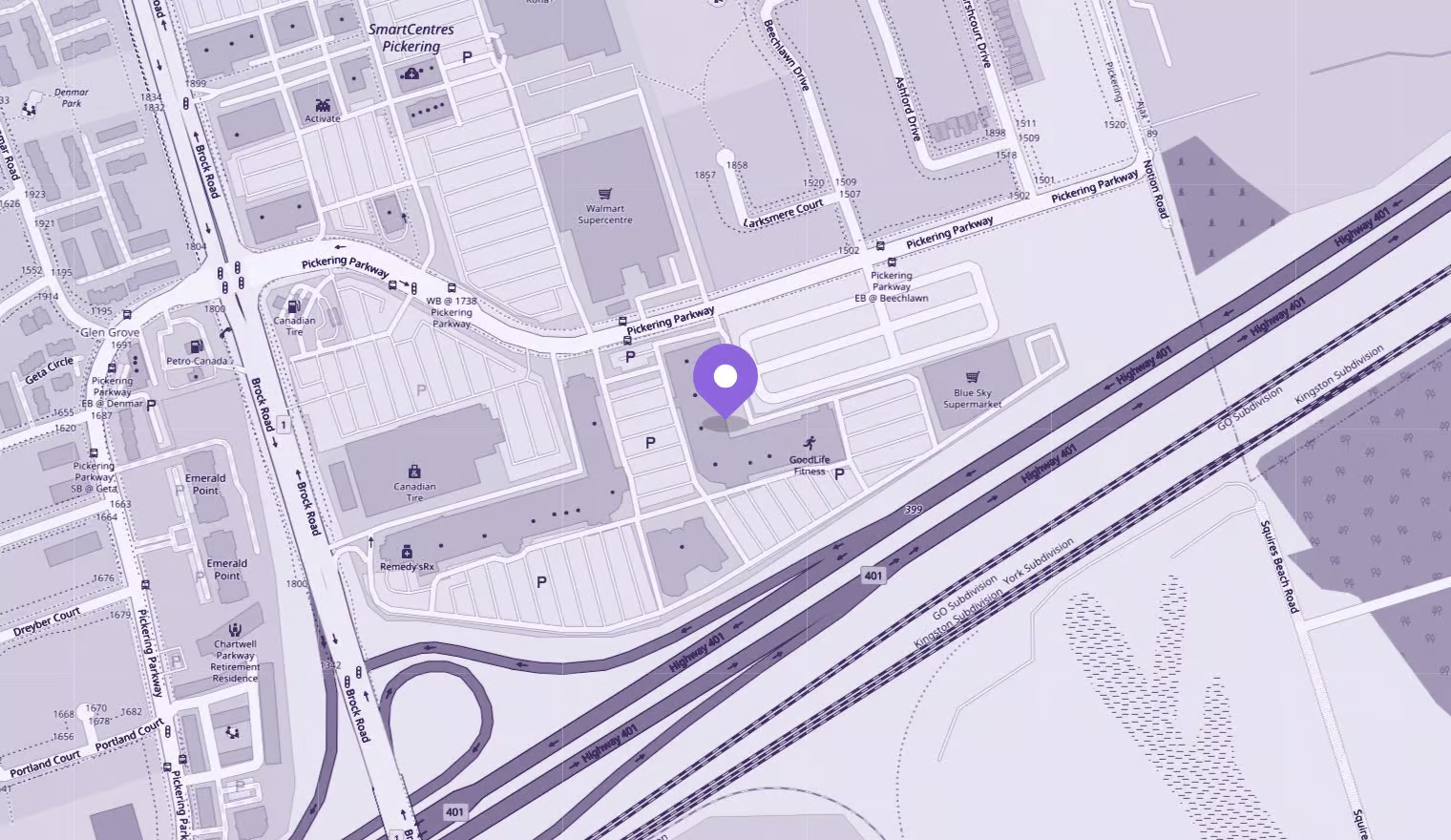
Nothing about the nano label changes the law. Under federal rules, legal edible cannabis products must not exceed a total of 10 mg of THC per immediate container, and they cannot contain nicotine or added alcohol. Ontario’s own cannabis laws page confirms edibles became legal on October 17, 2019, with the same 10 mg per package limit and up to 30 mg of caffeine.
In plain terms:
- A nano gummy pack, a nano drink and a nano chocolate all sit under the same 10 mg per package ceiling.
- Packaging should tell you the milligrams of THC, so read it before you open it.
- If a product claims to be “fast-acting”, that is a marketing description. The law cares about the label amount.
Want the full legal picture? Our pieces on Canada’s 10 mg edible THC limit and THC percentage labels break it down, and the 2026 guide to Canadian THC limits, labels and laws covers the rest.
How to dose nano THC without regretting it
Health Canada’s low-risk guidance is clear: start low and go slow. For edibles, that means products with 2.5 mg of THC or less to begin, effects within 30 minutes to 2 hours, and up to 4 hours to feel the full effect. Wait at least four hours before considering more.
Here is a simple routine we would suggest for a nano product:
- Check the label first. Find the mg of THC per piece and per package. If a drink has the full 10 mg in one can, plan to share it or sip part of it.
- Start at 2.5 mg or less. That is the beginner dose in Health Canada’s guidance, and it is even more sensible with a formulation that may absorb better.
- Note the time you started. Then actually wait. Set a phone reminder for four hours if you need to.
- Eat consistently. A full meal can delay peak effects, so a big dinner right after a dose can make the timeline harder to read.
- Keep a note. Write down the brand, dose, what you ate and how it felt. Next time you will know your own nano-to-regular ratio.
- Don’t mix it up. Don’t stack a nano product on top of other edibles or alcohol while you are still figuring out your response.
If you want more detail on starting small, see safe edible dosing in Canada and our tips on avoiding couch lock by starting at 2.5 mg.
Who should be extra careful
If you are new to cannabis, have a low tolerance, take other medications, or have a health condition, talk to your doctor or pharmacist before trying a new format. Health Canada lists adverse effects such as a rapid heart rate, anxiety, disorganized thoughts, memory loss, nausea and vomiting. If you or someone else has taken too much and feels seriously unwell, call your local poison centre or 911. Don’t drive or operate machinery while impaired.
And a quick note, since the search results often confuse the two: THC is not nicotine. THC is the main psychoactive compound in cannabis, while nicotine is a stimulant with different health risks. Health Canada advises that the two should never be mixed, because combining them can increase impairment.
Where nano THC tends to show up
You will most often see the technology in:
- Cannabis drinks. The most natural fit, since the whole point is to keep THC evenly mixed in liquid. Even distribution means more consistent dosing across the can.
- Gummies and chews. Some brands advertise quicker onset thanks to emulsified THC.
- Tinctures and shots. Water-compatible formulations let you take a small measured amount.
A good product will also have a certificate of analysis, or COA, from a third-party lab, showing the cannabinoid content matches the label. When a brand talks about nano technology but gives you vague potency details, that is a reason to pause.
Our take: speed is a feature, not a shortcut
We get asked about nano products often, and we like what they do well. A drink that mixes evenly, tastes clean and takes effect in a shorter window is a real improvement for many people, especially those who find a two-hour wait frustrating.
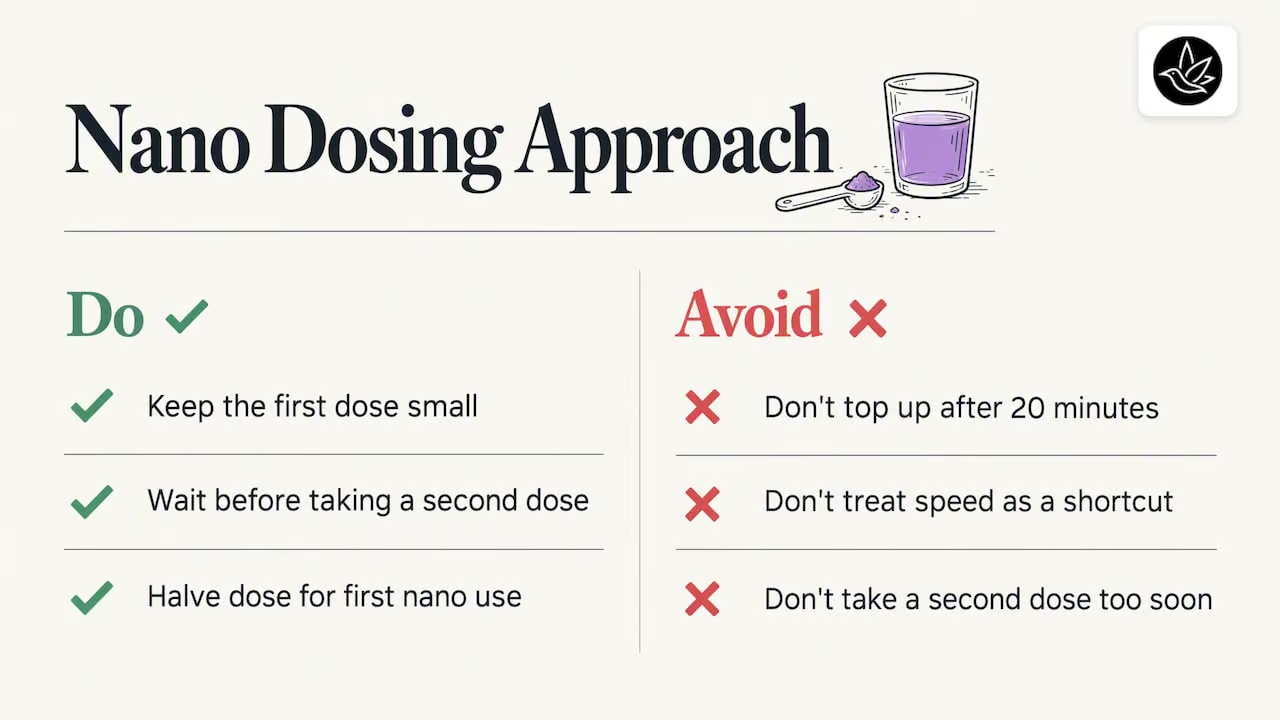
But here is what we tell customers at the door, or in this case, in the chat window: the technology moves the timeline, not the rules. Your first dose should still be small, and your second dose should still wait. We have seen the pattern over and over. People who feel “nothing” at 20 minutes top up, and then spend an uncomfortable evening wishing they hadn’t.
Our approach is simple. We curate craft products from growers we trust, we publish clear information about what is in them, and we encourage a 2.5 mg start for anyone new to a format. If you are experienced with regular edibles, treat your first nano product like a new product category and drop your dose by half until you know how it hits you. Compliance and education are not extras for us, they are part of the service.
— Nick
Browse and order from Montrose
If you want to try a fast-acting format, our shop has edibles, drinks, extracts, vapes, flower, pre-rolls and CBD in one place, with detailed product information so you can compare THC content before you buy. We deliver within one hour across Durham Region and the GTA, and we offer both recreational and medical options. Prefer the ritual of flower or a vaporizer to edibles? We have you covered there too, and you can read how to store cannabis properly so everything you buy stays fresh.
Label checklist before you buy any “nano” product
Use this quick list in the shop or at the counter:
- THC per piece and per package. It should be in milligrams and at or under 10 mg per package for edibles.
- Serving size. Can you split it? A resealable or divisible product makes a 2.5 mg start easier.
- Ingredients. Look for what the emulsifier is, and check for allergens.
- Licensed producer. Legal products come with standardized packaging and a health warning.
- Lot and testing information. A reputable producer is happy to show it.
- Your own plan. Know when you will take it, what you have eaten, and when you are done for the night.
You can also lean on our guide on THC vs CBD edibles if you want effects with a gentler profile, or our page on converting cannabis measurements if the numbers on a label feel confusing.
FAQ
What is the difference between nano THC and regular THC?
The molecule is the same. The difference is the delivery: nano THC is emulsified into very small droplets that mix with water and may be absorbed more quickly and efficiently. In a 2025 crossover study, the nano formulation reached peak metabolite levels much sooner and delivered more than double the relative bioavailability of an oil-based product. In practice, the same milligram dose can feel stronger.
How fast does nano THC work?
It can work faster than a traditional edible, but the timing is personal. Health Canada says edibles generally take 30 minutes to 2 hours to start and up to 4 hours to reach full effect. Nano products may land at the quicker end of that range, though food and individual differences can still delay peak effects by a couple of hours.
Is nano THC legal in Canada?
Yes, as long as the product is a licensed, legally sold cannabis product that meets the federal composition rules. Edibles must contain no more than 10 mg of THC per package, and cannot contain nicotine or added alcohol. The nano technology does not raise or change that cap.
How much nano THC should I take?
Start with 2.5 mg of THC or less, the beginner amount in Health Canada’s low-risk guidance, and wait at least four hours before taking more. If you are used to regular edibles, consider going lower than your usual dose until you see how a nano product affects you.
Is nano THC the same as nicotine or a nicotine product?
No. THC is the psychoactive cannabinoid in cannabis, while nicotine is a stimulant found in tobacco. Legal Canadian edibles cannot contain nicotine, and Health Canada advises against mixing the two.
Sources
- Enhancing cannabinoid bioavailability: a crossover study (PubMed, 2025)
- What you need to know if you choose to consume cannabis (Health Canada)
- Cannabis: lower your risks (Health Canada)
- Guide on composition requirements for cannabis products (Health Canada)
- Cannabis laws (Ontario.ca)
- Chief Medical Officer of Health annual report 2023 (Ontario.ca)