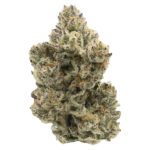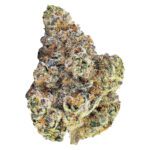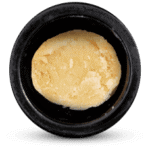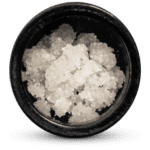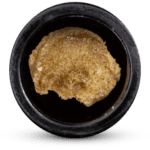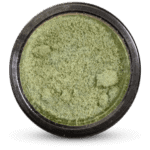
The entourage effect describes the idea that cannabinoids, terpenes, and flavonoids in cannabis work together to shape effects more than any single compound could alone. It’s a legitimate scientific hypothesis backed by lab and receptor studies, but not yet confirmed in large human trials. For now, treat “entourage effect” claims on product labels as marketing shorthand for a promising theory, not a proven guarantee.
TL;DR:
- The entourage effect remains a scientific hypothesis supported by lab studies, but it has not been conclusively proven through large human trials.
- Variations in compound concentrations and low bioavailability complicate real-world effects, meaning lab-reported interactions may not occur at typical dose levels.
- Claims of guaranteed synergy in products often lack specific compound details and verified study backing, making many marketing assertions unreliable.
- Drug interactions, especially via the liver’s CYP450 system, pose safety risks and require consulting healthcare providers before combining cannabis with medications.
- Prioritize verified third-party lab tests with terpene and cannabinoid profiles over marketing claims when choosing cannabis products for potential entourage benefits.
Table of Contents
- What is the entourage effect, and where did the term come from?
- Which compounds are involved in cannabis synergy?
- How could cannabis compounds interact in the body?
- Is the entourage effect actually proven by research?
- Full-spectrum, broad-spectrum, or isolate: which should you choose?
- Are there safety risks or drug interactions to know about?
- How do you spot a trustworthy entourage effect claim?
- How Montrosecannabis supports informed cannabis choices
- The gap between entourage marketing and entourage science
- Sources
- FAQ
What is the entourage effect, and where did the term come from?
The entourage effect isn’t a marketing invention, even though it gets used that way constantly. The term traces back to a 1998 paper by Israeli researchers Shimon Ben-Shabat and Raphael Mechoulam, who noticed that certain fatty acid compounds in the body seemed to boost the activity of the endocannabinoid anandamide without binding to cannabinoid receptors themselves. That observation happened in the endocannabinoid system your body produces naturally, not in cannabis plants. Researchers later borrowed the concept to describe how plant compounds might behave similarly.
Once cannabis researchers picked up the idea, it became a shorthand for a much broader question: do the hundreds of compounds in a cannabis plant, from THC and CBD down to trace terpenes, change how the plant “performs” compared to a single isolated molecule? That’s a fair scientific question. What happened next is where things get muddy.
The cannabis industry adopted “entourage effect” as a selling point for full-spectrum products almost as fast as researchers started studying it seriously. Suddenly, every product with more than one cannabinoid claimed to deliver “the entourage effect,” regardless of whether any testing supported that specific formulation. That’s a gap worth understanding upfront:
- Scientists use “entourage effect” as a hypothesis under investigation, one that requires evidence for each specific compound combination and each specific outcome.
- Marketers often use it as a blanket claim, implying that any full-spectrum product automatically produces synergistic benefits.
- Regulators and reviewers increasingly push back on the term, preferring established pharmacology language like synergism, antagonism, or bioenhancement, since experts argue “entourage effect” may be redundant with those established concepts.
That last point matters more than it sounds. When a product package says “full-spectrum for the entourage effect,” it’s borrowing the credibility of real pharmacological terms like synergism without necessarily having tested for that specific interaction. Understanding the origin of the phrase helps you spot when it’s being used honestly versus when it’s doing marketing work it hasn’t earned.
Which compounds are involved in cannabis synergy?
Cannabis contains many cannabinoids, terpenes, and flavonoids, and the entourage hypothesis proposes that some combination of these compounds changes how the plant affects you compared to any single molecule alone.
Cannabinoids get the most attention, and for good reason. THC and CBD are the two most studied, but minor cannabinoids are increasingly part of the entourage conversation:
- THC drives the psychoactive “high” and binds directly to CB1 receptors in the brain.
- CBD doesn’t produce intoxication and may modulate how THC behaves at the receptor level.
- CBG (cannabigerol) is the precursor molecule from which THC and CBD are synthesized in the plant, and it’s drawing interest for its own receptor activity.
- CBC (cannabichromene) shows some interaction with pain and inflammation pathways in early research.
- CBDV (cannabidivarin) is structurally similar to CBD and is being studied in a handful of contexts.
Terpenes are the aromatic oils responsible for cannabis smelling like pine, citrus, or diesel, and they’re the compounds most associated with entourage marketing. A few examples come up constantly:
- Myrcene, common in many cannabis strains, is associated with sedative folklore, though the mechanistic evidence is thinner than the marketing suggests. (Montrosecannabis breaks down what the terpene myrcene actually does in more depth.)
- Linalool, also found in lavender, is linked to calming effects in isolated studies.
- Limonene, the citrus-scented terpene, has shown mood-related activity in preliminary research.
- Beta-caryophyllene stands out because it’s the only terpene known to bind directly to a cannabinoid receptor (CB2), making it a genuinely unique case rather than a purely aromatic bystander.
Flavonoids are the least understood piece of the puzzle. Cannabis-specific flavonoids like cannflavin A have shown anti-inflammatory activity in isolated lab conditions, but they exist in the plant in extremely small concentrations, which raises a real question about whether enough survives extraction and digestion to matter.
That concentration problem shows up across the board, not just with flavonoids. Terpenes in particular face a bioavailability wall: many have low oral bioavailability and clear from the body quickly, meaning the amount that survives digestion may be too low to sustain the receptor-level activity seen in lab conditions. A terpene profile on a lab report tells you what’s present in the flower, not necessarily what reaches your bloodstream in an active form.
How could cannabis compounds interact in the body?
Researchers have proposed several mechanisms to explain how cannabis compounds might influence each other, and they fall into three broad categories: pharmacodynamic, pharmacokinetic, and receptor-level polypharmacology. None of these are mutually exclusive, and evidence for each is stronger in some cases than others.
Pharmacodynamic interactions happen when compounds act on the same biological target at the same time, either boosting or dampening each other’s effects. These interactions aren’t always synergistic:
- Additive effects occur when two compounds produce a combined effect roughly equal to the sum of their individual effects.
- Synergistic effects occur when the combination produces a larger effect than the sum would predict, the outcome most entourage marketing implies.
- Antagonistic effects occur when one compound actually blunts or cancels out another’s activity, which is just as scientifically real but rarely mentioned on product labels.
A 2021 mechanistic study published in Scientific Reports found that specific terpenes, including borneol, limonene, terpineol, alpha-pinene, ocimene, beta-caryophyllene, and linalool, can act as partial agonists or allosteric modulators at CB1 and CB2 receptors. Critically, the effect was both receptor-specific and terpene-specific: a terpene that boosted activity at CB2 might do nothing, or even work against the plant’s other compounds, at CB1. That finding alone explains why “full-spectrum is always better” doesn’t hold up as a universal claim. Synergy in cannabis is a case-by-case pharmacological question, not a blanket property of whole-plant extracts.
Pharmacokinetic interactions are a different mechanism entirely; instead of compounds acting on the same receptor, one compound changes how your body processes another. The clearest example involves the liver’s CYP450 enzyme system, which metabolizes THC. Some cannabis compounds appear to inhibit these enzymes, which can alter how quickly THC is broken down and change the ratio of metabolites your body produces, including 11-hydroxy-THC, a metabolite associated with a more intense, longer-lasting psychoactive experience. That’s a mechanism with real practical weight: it means the compound mix in a product can shift how strong or how long an effect feels, independent of the raw THC dose printed on the label.
Non-cannabinoid receptors round out the picture. Several terpenes and cannabinoids appear to interact with serotonin receptors, adenosine pathways, and TRP (transient receptor potential) ion channels, none of which are part of the classic endocannabinoid system. This is part of why some researchers think “entourage effect” undersells the complexity. It’s not just cannabinoids talking to cannabinoid receptors. It’s a wider polypharmacology story involving multiple, sometimes unrelated, signalling systems.

Dose, route of administration, and concentration all determine whether any of this plays out in a way you’d actually notice. A terpene present at trace levels in an edible, after passing through digestion and liver metabolism, is operating under completely different conditions than the same terpene inhaled directly into the lungs at a much higher concentration.
Is the entourage effect actually proven by research?
Here’s the honest answer: no, not in the way marketing language implies. The entourage effect remains a scientific hypothesis with credible mechanistic support, not a clinically established fact.
That distinction comes directly from how researchers themselves describe the state of the evidence. A 2024 systematic review of cannabis medicinal products found exploratory signals suggesting terpenes may contribute to therapeutic outcomes, but concluded that terpene-cannabinoid synergy for predictable clinical results “remains unproven” and requires further controlled trials. That’s not a rejection of the idea. It’s a statement that the current evidence base can’t yet support the confident claims made on product packaging.
“Current literature is described as contradictory, equivocal, and inconclusive; clinical data mostly relies on anecdotal and observational evidence.” This is how a 2026 review characterizes the overall state of entourage effect research, and it’s a useful sentence to keep in mind every time a product claims scientifically backed synergy.
That characterization comes from a broader analysis that walked through the existing literature on the postulated entourage effect and found the same pattern repeating: laboratory and receptor-binding studies show plausible mechanisms, but the jump to reliable clinical outcomes in humans hasn’t been made yet.
Pre-clinical research does offer some genuinely interesting signals. Some animal studies have found that whole-plant extracts produced stronger effects on certain endpoints, including anti-tumour activity in specific models, compared to single isolated cannabinoids at equivalent doses. Exploratory human observations have also noted that products with more diverse cannabinoid profiles sometimes correlate with differences in the duration or intensity of psychoactive effects. These findings are worth taking seriously as hypothesis-generating data. They are not the same thing as a randomized, controlled human trial demonstrating that a specific terpene-cannabinoid combination reliably improves a specific health outcome.
The human studies that do exist tend to share the same weaknesses: small sample sizes, inconsistent product standardization between study arms, self-reported outcomes without objective measures, and a lack of the double-blind, placebo-controlled design that would let researchers rule out expectation and dosing differences as explanations. Researchers reviewing this body of work have specifically called for larger, well-controlled clinical trials that use standardized extracts and fully report every constituent in the tested product, something that’s rare in current cannabis research because of how variable plant-derived material is batch to batch.
Where does that leave you as a consumer? The mechanistic case for entourage-style interactions is real and getting more precise every year, particularly at the receptor level. The clinical case for predictable, reproducible therapeutic benefit from whole-plant synergy is not there yet. If a product or a salesperson tells you the entourage effect is scientifically proven to enhance your specific outcome, that’s overselling what the current evidence base actually supports.
Full-spectrum, broad-spectrum, or isolate: which should you choose?
Once you understand that entourage claims are plausible but unproven, the practical question becomes simpler: which product format actually fits your situation? These three categories differ in what compounds they contain, and each one makes sense for different priorities.
Full-spectrum products contain the complete range of naturally occurring compounds from the plant, including THC, CBD, minor cannabinoids, terpenes, and flavonoids. This is the format most associated with entourage-style claims, since it preserves the widest compound diversity.
Broad-spectrum products keep most of that same compound diversity but have THC removed or reduced to trace, often undetectable, levels. This format exists specifically for people who want terpene and minor-cannabinoid diversity without the psychoactive or drug-testing risk that comes with THC. Montrosecannabis has a detailed breakdown of what broad-spectrum actually means if you’re weighing this option against full-spectrum.
Isolate products contain a single purified compound, typically CBD, with everything else stripped out. There’s no entourage complexity here by definition, and that’s precisely the point for some buyers.
So which one fits you? Work through these considerations in order:
- Check your drug-testing exposure first. If you’re subject to workplace or regulatory THC testing, broad-spectrum or isolate products eliminate the risk that trace THC in a full-spectrum product triggers a positive result.
- Consider your sensitivity to THC. If you’ve had negative reactions to THC in the past, even small amounts in a full-spectrum product could be enough to trigger discomfort, making broad-spectrum or isolate the safer starting point.
- Match the format to your route of administration. Inhaled full-spectrum flower delivers terpenes at higher, faster concentrations than an oral tincture, where digestion and liver metabolism degrade many of the same compounds before they reach circulation.
- Think about what you’re actually trying to achieve. If you want the widest possible compound profile because you’re curious whether whole-plant effects feel different for you personally, full-spectrum is the format designed to test that. If you want a specific, consistent, single-compound dose, isolate removes the variability entirely.
- Verify the product backs up its category claim. A “full-spectrum” label with no terpene assay on the certificate of analysis (COA) isn’t verifiably full-spectrum, it’s an unverified claim.
That last point deserves its own checklist, because this is where marketing tends to outrun what a product can actually prove:
- Look for a current, batch-specific COA from a third-party lab, not a generic profile pulled from an old test.
- Check that the COA includes a terpene assay, not just cannabinoid potency, if terpene-driven claims are being made.
- Compare the cannabinoid ratio on the label against the COA numbers to confirm they match.
- Confirm the lab tested for contaminants, including pesticides, heavy metals, and residual solvents.
Pro Tip: If a full-spectrum product’s COA lists cannabinoid potency but has no terpene data at all, treat any entourage-effect language on that label as unverified marketing rather than a tested claim.
For a broader look at how full-spectrum products stack up against isolates from an independent perspective, this full-spectrum buyer’s guide covers the practical trade-offs in more detail.
Are there safety risks or drug interactions to know about?
Whole-plant complexity cuts both ways: the same mechanisms that create potential synergy can also create real safety considerations, and this is the part of the entourage conversation that gets the least attention outside clinical circles.
The most concrete risk involves the liver’s CYP450 enzyme pathway. Cannabis compounds, particularly at higher doses, can inhibit these enzymes, and that inhibition can affect how your body metabolizes certain prescription medications processed through the same pathway. This matters most for people taking blood thinners, certain antidepressants, anti-seizure medications, and some heart medications, all drug classes where CYP450 metabolism plays a significant role. It’s not a reason to avoid cannabis outright if you’re on medication, but it is a firm reason to talk to your prescriber before combining them.
Beyond drug interactions, the same synergy that boosts effects in one direction can work against you in another:
- Antagonistic interactions are real, not rare. A terpene or minor cannabinoid that enhances one receptor’s activity can be neutral or actively dampening at another, meaning a full-spectrum product doesn’t guarantee an enhanced experience across the board.
- Metabolite shifts can intensify effects unpredictably. Changes in THC metabolism via CYP inhibition can shift more of the psychoactive load toward 11-hydroxy-THC, a metabolite linked to stronger, longer-lasting intoxication than many users expect.
- Product quality problems compound the uncertainty. Independent testing has repeatedly found cannabis products with label claims that don’t match lab results, whether in potency or the presence of contaminants.
- Individual sensitivity varies enormously. The same terpene-cannabinoid combination that feels balanced for one person may feel overwhelming for another, since receptor density and metabolic rate differ from person to person.
If you’re managing an uncomfortable reaction after use, Montrosecannabis has a guide to what causes a cannabis come-down and how compound interactions can play into it.
The practical safety advice here is straightforward and worth repeating every time you try a new product: talk to your prescriber before combining cannabis with any regular medication, start with a low dose and go slowly when trying a new full-spectrum product, and keep the COA for anything you use regularly in case you need to reference it after an unexpected reaction.

How do you spot a trustworthy entourage effect claim?
Most entourage effect marketing falls apart the moment you ask for specifics. A trustworthy claim points to a specific compound combination, a specific tested outcome, and a specific source. A weak claim just says “full-spectrum” and leaves it at that.
Use this sequence when you’re evaluating a product claim or a piece of cannabis research:
- Ask what specific compounds are being credited. “Contains terpenes for the entourage effect” is meaningless without naming which terpenes and at what concentration.
- Check whether the claim cites a study, and read what that study actually tested. Look at the sample size, whether it was conducted in humans or in a lab/animal model, and whether there was a control group.
- Distinguish a mechanistic finding from a clinical outcome. A study showing a terpene binds to a receptor in a petri dish is not the same as a study showing that terpene relieves a symptom in people.
- Watch for absolute language. Words like “proven,” “guaranteed,” or “scientifically confirmed” attached to entourage claims are a red flag, since even the researchers studying this concept describe the clinical evidence as inconclusive.
- Follow sources that publish methodology, not just conclusions. Systematic reviews and peer-reviewed journals that disclose sample sizes and study design are more reliable than blog summaries or product marketing pages that cite “studies show” without a link.
The core skill here is separating mechanism from outcome. Lab studies showing that beta-caryophyllene binds to CB2 receptors are real and useful data. They tell you a mechanism exists. They don’t tell you that a specific gummy containing beta-caryophyllene will relieve your specific symptom at a specific dose, and any claim that blurs that line deserves a second look before you buy.
How Montrosecannabis supports informed cannabis choices
Cutting through overstated entourage claims takes access to real product data, not just marketing copy, which is exactly where Montrosecannabis puts its focus. Every product in the curated selection comes from top-tier craft growers, and the emphasis stays on compliance and customer education rather than hype.
That approach shows up in how Montrosecannabis serves Durham Region and the GTA: one-hour delivery for people who don’t want to wait days for tested, quality product, backed by a 4.9-star Google rating built on consistent service. Whether you’re leaning toward a full-spectrum flower to explore whole-plant effects or a more targeted isolate product, the goal is giving you the information to make that call yourself.
Readers looking to understand product categories in more depth can start with the broad-spectrum cannabis guide or explore terpene-specific breakdowns before choosing a product format.
The gap between entourage marketing and entourage science
The biggest misconception about the entourage effect isn’t that it’s fake. It’s that it’s treated as a settled fact rather than an active, evolving hypothesis. The receptor-level research is genuinely compelling, and the pharmacokinetic mechanisms are real and measurable. What’s missing is the leap from “this is mechanistically plausible” to “this product will reliably do X for you,” and that gap gets papered over constantly.
Conventional cannabis advice tends to treat “full-spectrum” as an automatic upgrade over isolates. The research doesn’t support that as a blanket rule. Synergy is receptor-specific and terpene-specific, which means some full-spectrum combinations may underperform a well-formulated isolate for a given use case, while others may genuinely benefit from the wider compound profile.
If you take one thing from this, prioritize the COA over the label copy. A terpene assay and a verified cannabinoid ratio tell you more about what you’re actually buying than any mention of “entourage effect” ever will. Let the lab data guide the decision, and treat the marketing language as a hypothesis worth testing for yourself, not a guarantee.
— Nick
This article is general information, not a substitute for advice from a qualified doctor. Consult a qualified healthcare professional about your own circumstances before acting on anything here.
Sources
- Decoding the Postulated Entourage Effect of Medicinal Cannabis: What It Is and What It Isn’t
- The entourage effect in cannabis medicinal products: a comprehensive review
- Marijuana’s ‘entourage effect’ varies by terpene and cannabinoid receptor
FAQ
What is the entourage effect in simple terms?
The entourage effect is the idea that cannabinoids, terpenes, and other compounds in cannabis work together and influence each other’s effects, rather than each compound acting entirely on its own. It’s a well-supported hypothesis at the lab level, but not yet confirmed through large-scale human clinical trials.
How do you achieve the entourage effect?
There’s no verified formula for guaranteeing it, since the interactions appear to be receptor-specific and terpene-specific rather than universal. The most evidence-informed approach is choosing full-spectrum or broad-spectrum products with a verified terpene assay on the COA, rather than relying on THC or CBD content alone.
Is the entourage effect proven?
No. It remains a scientific hypothesis with credible mechanistic and pre-clinical support, but systematic reviews describe the clinical evidence as contradictory, equivocal, and inconclusive, with confirmation still relying largely on anecdotal and observational data.
What should you not mix CBD with?
CBD can inhibit liver enzymes in the CYP450 pathway, which may affect how your body processes certain prescription medications, including some blood thinners, antidepressants, and anti-seizure drugs. Talk to your prescriber before combining CBD with any regular medication metabolized through that pathway.