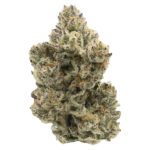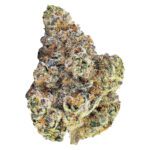
Beta-caryophyllene is a non-intoxicating plant terpene that selectively activates CB2 receptors, distinguishing it from THC’s CB1 action. Preclinical research links it to anti-inflammatory, analgesic, and anxiolytic effects, with emerging neuroprotective signals. It won’t get you high, but it can plausibly interact with certain medications through liver enzyme inhibition, which is worth knowing before you combine products.
TL;DR:
- Caryophyllene has a measured binding affinity to CB2 receptors around 155 nanomolars, making it a potent natural CB2 agonist, but it does not bind to CB1 receptors responsible for psychoactive effects.
- The strongest evidence supports its anti-inflammatory properties demonstrated in animal models, while human clinical data on pain, anxiety, or neuroprotection remains absent.
- BCP’s safety profile is established due to its long history as a food additive, but it may inhibit liver enzymes like CYP3A4, which could interfere with certain prescription medications.
- When purchasing products, look for lab-reported terpene percentages and full-spectrum oils with recent certificates of analysis to reliably confirm caryophyllene content.
- Always consult a healthcare professional before combining high-terpene products with medications, especially if prescribing drugs are metabolized by CYP3A4, to avoid potential interactions.
Table of Contents
- How caryophyllene works: CB2 agonism and cellular pathways
- Caryophyllene benefits: what the evidence shows by condition
- Caryophyllene safety and drug interaction risks
- Strains high in caryophyllene: how to shop with the science in mind
- Author perspective: using evidence to make safer choices
- Find lab-tested, caryophyllene-rich products with Montrosecannabis
- Sources
- FAQ
How caryophyllene works: CB2 agonism and cellular pathways
BCP’s defining feature is receptor selectivity. It binds the CB2 receptor with a measured Ki of roughly 155 ± 4 nM, placing it among the more potent naturally occurring CB2 agonists identified to date. Unlike THC, it shows negligible affinity for CB1, the receptor responsible for the psychoactive effects associated with cannabis.
The distinction matters because CB2 receptors concentrate in immune tissue and peripheral nerves rather than the brain regions that drive intoxication. Activating CB2 without touching CB1 is what lets BCP influence inflammation and pain signalling without altering perception or mood in the way THC does.
Ki ≈ 155 nM — that binding affinity places BCP in a similar potency range to some synthetic CB2-selective compounds developed specifically for research purposes.
Once bound, BCP triggers a cascade: inhibition of adenylate cyclase, suppression of NF-κB signalling (a master switch for inflammatory gene expression), and activation of PPAR pathways tied to metabolic and anti-inflammatory regulation. Together, these downstream effects explain why researchers keep circling back to BCP for peripheral anti-inflammatory and analgesic applications. The mechanism is plausible and well-mapped at the cellular level. What it doesn’t do is replicate the euphoria or cognitive shift people associate with cannabis, which is exactly the appeal for readers hunting for functional benefits without a high.

Caryophyllene benefits: what the evidence shows by condition
Evidence quality varies sharply depending on which effect you’re asking about, and conflating animal data with proven human outcomes is where a lot of cannabis marketing goes wrong.
Anti-inflammatory action has the strongest backing. In mouse models, oral BCP at 5 mg/kg reduced carrageenan-induced edema in a CB2-dependent way, meaning the effect disappeared in mice lacking the receptor. Separate work shows BCP suppressing TNF-α, IL-1β, and IL-6, the inflammatory messengers behind everything from arthritis flares to chronic pain conditions.
Key findings by category:
- Pain and neuropathic pain: preclinical models show reduced pain behaviour, but human trial data remains absent, so translation to people is inferred rather than proven
- Anxiety and mood: animal studies suggest anxiolytic activity through CB2 pathways, though no robust clinical trials confirm this in humans
- Neuroprotection: ex vivo and animal studies show reduced cytokine release and preserved BDNF and synaptic function (LTP) in amyloid models relevant to Alzheimer’s research
Preclinical vs. clinical is the phrase to hold onto here. Every finding above comes from cell cultures or animal models, not human trials. That’s not a weakness unique to BCP. It’s standard for terpene research generally, and it’s also why claims about an “entourage effect” boosting cannabinoid potency still lack robust clinical support. The gap between plausible mechanism and confirmed human benefit is real, and reputable sources are careful about which side of that line they’re standing on.
Caryophyllene safety and drug interaction risks
BCP’s long history as a food additive gives it a favourable general safety profile, and animal toxicology data supports that reputation. There’s no evidence it’s intoxicating at any dose, which separates it clearly from THC and even from CBD’s mild sedative effects at high doses.
The real caution point is enzyme interaction. BCP and related plant constituents can inhibit cytochrome P450 enzymes, particularly CYP3A4, the liver enzyme responsible for metabolizing a huge share of prescription medications, including some blood thinners, statins, and anti-seizure drugs. Inhibiting that enzyme can raise blood levels of co-administered drugs beyond their intended range.
Practical steps if you’re combining cannabis products with medication:
- Talk to your pharmacist or physician before regularly using high-terpene cannabis products alongside prescription drugs metabolized by CYP3A4.
- Avoid unmonitored high-dose terpene supplementation, since standardized human dosing hasn’t been established.
- Watch for unusual side effects from existing medications after starting a new cannabis product, and report changes to your prescriber.
Pro Tip: If you’re on any regular prescription, ask your pharmacist specifically about CYP3A4 interactions before increasing your intake of caryophyllene-rich products, not just THC or CBD content.
Strains high in caryophyllene: how to shop with the science in mind
Knowing the mechanism is only useful if you can actually find products that deliver it. Strain names alone are a rough guide at best. Genetics shift terpene ratios batch to batch, so the only reliable signal is a lab-reported terpene percentage on the certificate of analysis.
When comparing options, look for:
- A full terpene breakdown on the product page, not just a strain name
- BCP listed as a measurable percentage, not just “present”
- Full-spectrum oils, dried flower, and topicals, where terpene content typically matters more than in isolated distillates
- A recent certificate of analysis (COA) tied to that specific batch
Products aimed at inflammation or topical use are where BCP content is worth scrutinizing most closely. A product listing that shows its full cannabinoid and terpene sheet gives you something concrete to compare, rather than relying on a strain’s reputation alone.
Author perspective: using evidence to make safer choices
The biggest mistake I see is treating a strain’s caryophyllene reputation as equivalent to a clinical guarantee. It isn’t. Prioritize lab-tested terpene sheets over strain lore, and extrapolate cautiously from animal studies, since mouse dosing rarely maps cleanly onto human outcomes. If you’re managing a health condition or taking medication, loop in a healthcare provider before layering in high-terpene products. Good decisions here come from reading the actual data, not the marketing copy built around it.
— Nick
Find lab-tested, caryophyllene-rich products with Montrosecannabis
Reading a terpene profile off a lab sheet only helps if the products you’re buying actually publish one. Montrosecannabis lists cannabinoid and terpene content directly on product pages, so you’re never guessing whether a flower or oil carries meaningful BCP levels or just a strain name with no data behind it.

Whether you’re shopping for recreational relief or working through a medical order, Montrosecannabis delivers across Durham Region and the GTA within an hour, with Canada-wide shipping available for medical orders. If terpene chemistry interests you generally, the science behind cannabis aroma breaks down how these compounds develop and why they vary so much between batches. Ready to see a full terpene sheet for yourself? Browse current drops and check the lab data before you order.
This article is general information, not a substitute for advice from a qualified doctor. Consult a qualified healthcare professional about your own circumstances before acting on anything here.

Sources
Beta-caryophyllene (BCP) is a sesquiterpene, a class of plant compounds built from three isoprene units rather than the two found in simpler terpenes like myrcene or limonene. It carries a spicy, woody, peppery aroma that anyone who has ground fresh black pepper will recognize instantly.
BCP shows up across a surprising range of plants, not just cannabis. Major sources include:
Regulatory bodies approve BCP as a flavouring additive in food, and its long history in cooking and cosmetics gives it an unusually well-documented safety record for a plant compound. That’s part of what makes it such an interesting subject for cannabis researchers: it’s already established as safe for consumption in small amounts, long before anyone studied its receptor activity.
FAQ
How does caryophyllene make you feel?
BCP doesn’t produce a psychoactive high since it doesn’t meaningfully bind CB1 receptors. Users typically report subtler effects tied to its CB2 activity, such as reduced perceived inflammation or a calmer baseline, rather than any shift in perception or mood intensity.
Which terpenes should I avoid?
There’s no terpene that’s universally unsafe, but anyone on medications metabolized by CYP3A4 should be cautious with any terpene-rich product, including caryophyllene, due to potential enzyme interactions. Checking with a pharmacist matters more than avoiding a specific terpene outright.
What terpene gives the best high?
Terpenes themselves don’t produce a high. THC drives intoxication, while terpenes like myrcene or limonene may subtly modulate the experience. Caryophyllene specifically contributes zero intoxicating effect on its own, since it acts through CB2 rather than CB1.
What terpenes give you the giggles?
No terpene has strong clinical evidence tying it directly to euphoria or “the giggles.” That effect is generally attributed to THC’s CB1 activity, possibly nudged by terpenes like limonene, though robust human data on any terpene-specific mood effect remains limited.
What does caryophyllene do for pain relief?
Caryophyllene shows analgesic activity in animal models through CB2 receptor activation and suppression of inflammatory cytokines like TNF-α and IL-6. Human clinical trials confirming pain relief at specific doses haven’t been conducted yet, so the evidence stays preclinical for now.