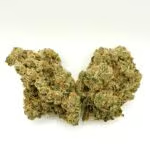
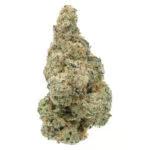
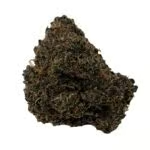
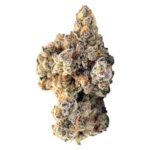
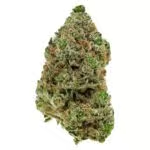
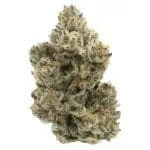
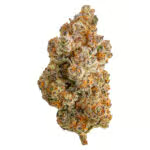
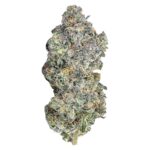
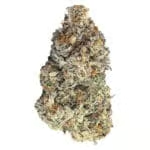
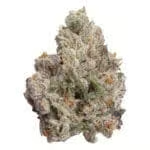
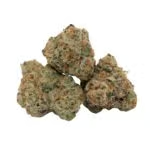
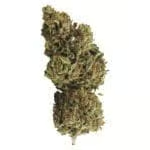
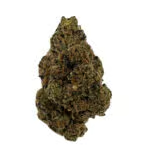
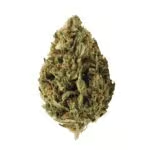
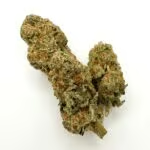
Ocimene is a sweet, fruity, herbal terpene with a reputation for feeling bright and uplifting. That reputation is common in cannabis circles, but it is not proven in humans. Health Canada says there is currently no clinical evidence confirming specific effects of ocimene, and that terpenes are mostly tied to fragrance and flavour. So the honest answer is this: ocimene clearly shapes how a strain smells and tastes, and it may be part of why some strains feel energizing to some people. Let’s talk about what we know, what we don’t, and how to use that when you shop.
TL;DR
- Ocimene is a monoterpene with a sweet, citrusy, herbal aroma. You’ll also find it in basil, mint, parsley, mangoes and lavender.
- Its “energizing” and “uplifting” reputation comes mostly from lab and animal work and from user reports, not from human clinical trials.
- THC dose and your method of consumption shape how you feel far more than any single terpene.
- Ocimene is rarely the dominant terpene, so read the COA and the product’s terpene list rather than trusting a strain name.
- Start low, go slow, and store your flower away from heat, light and air to keep its aroma.
Table of Contents
- What ocimene is and where it comes from
- What does ocimene do? The reputation vs the evidence
- Why the entourage effect doesn’t settle it
- What actually drives how you feel
- Ocimene strains: how to find them without guessing
- Does ocimene cause coughing?
- Perspective: how we think about terpenes at Montrose
- Storing flower so the terpenes last
- Shop for a bright, fruity profile with us
- A few safety notes
- FAQ
- Sources
What ocimene is and where it comes from
Terpenes are the aromatic compounds that give plants their scent and much of their flavour. Ocimene is a monoterpene, a small, volatile molecule that evaporates easily, which is why you smell it the moment you open a jar. It turns up in basil, mint, parsley, mangoes, lavender and cannabis, and plants use it in part to deter pests and attract pollinators.
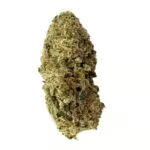
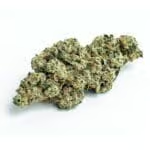
In cannabis, ocimene tends to read as sweet and fruity with a green, herbal and sometimes woody edge. Think tropical fruit rind with a pinch of fresh herbs. If you’ve enjoyed the smell of crushed basil or a ripe mango, you already know the neighbourhood.
It usually shows up in small amounts. Many strains lead with myrcene, limonene, caryophyllene or terpinolene, and ocimene plays a supporting role. That matters for the next question.
What does ocimene do? The reputation vs the evidence
Search for ocimene and you’ll see the same claims repeated: energizing, mood-lifting, decongestant, antifungal, anti-inflammatory, anticonvulsant. Here is how to read them.
| Claim | Where it comes from | What we can say |
|---|---|---|
| Energizing, uplifting | User reports, similarity to limonene and terpinolene strains | Plausible for some people, not shown in human trials |
| Decongestant | Plant and aromatherapy literature | Not established for cannabis use |
| Antifungal | Lab tests on fungal cultures | Lab result only, not a reason to consume cannabis |
| Anti-inflammatory, anticonvulsant | Mostly lab and animal research | Needs human trials |
The pattern is consistent. Most of these claims are extrapolated from in vitro (lab dish) or animal studies. Health Canada’s guidance for health care professionals describes claims about terpenes modifying the high as hypothetical, and that applies to ocimene as much as any other terpene.
That doesn’t mean your experience isn’t real. If a bright, fruity strain makes you feel chatty and clear-headed, that is a genuine experience. What science can’t yet tell us is whether ocimene caused it, or whether it came from THC level, other terpenes, your tolerance, your mood, or simply expectation.
Why the entourage effect doesn’t settle it
The entourage effect is the idea that cannabinoids and terpenes work together to shape the experience. It is popular, and it may turn out to be partly true. But so far the human data is thin and mixed.
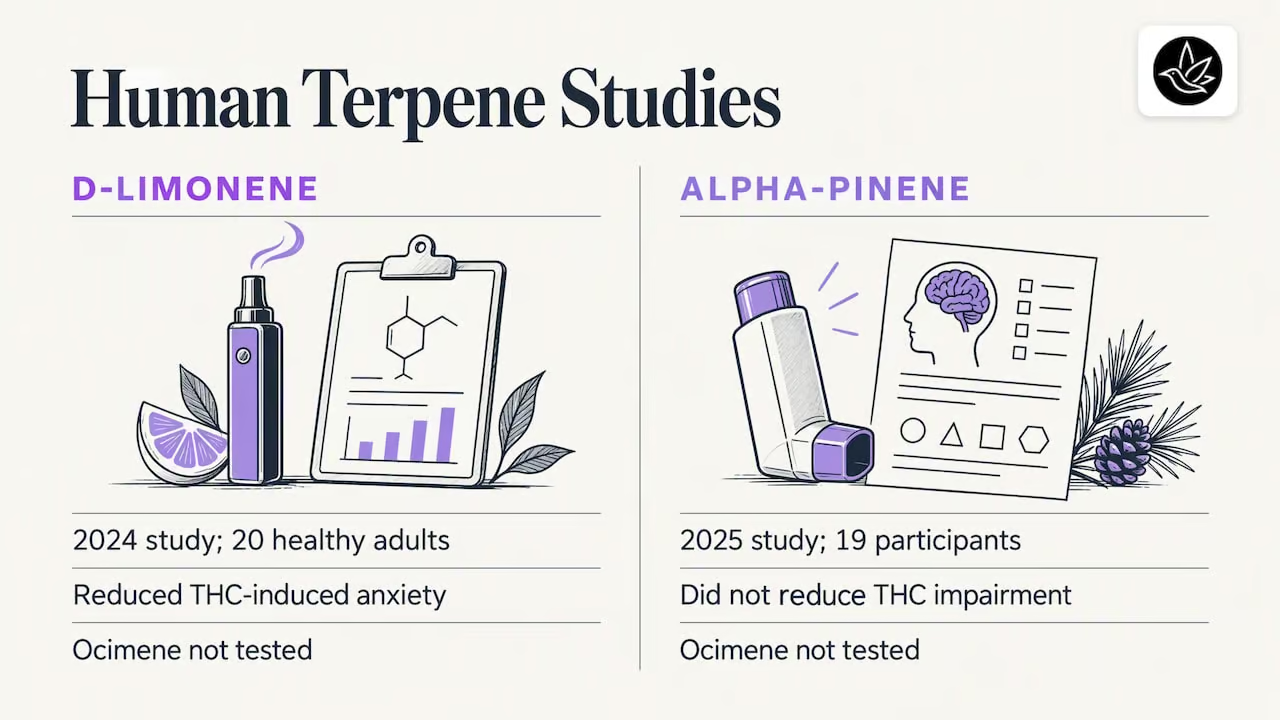
Two recent controlled studies show why. In 2024, researchers found that vaporized d-limonene selectively reduced THC-induced anxiety in 20 healthy adults. In 2025, a separate study of 19 participants found that inhaled alpha-pinene did not reduce THC-related cognitive impairment the way the theory predicted. One terpene helped with one thing, another didn’t help with another. And neither study tested ocimene.
We’ve written more on this in our piece on what the entourage effect really means for your cannabis choices. The short version: treat it as an interesting hypothesis, not a promise.
The field also moves fast and marketing often outpaces the science. A 2024 review in PubMed cautions that terminology can run ahead of evidence, and encourages consumers to rely on standardized, regulated products and to be sceptical of guaranteed-effect claims tied to a specific terpene profile.
What actually drives how you feel
Before you chase a terpene, get the basics right. THC causes the intoxicating effects of cannabis, and Health Canada notes that adverse effects can include rapid heart rate, dizziness, anxiety, disorganized thoughts, memory loss and nausea. Those can happen with any strain, however uplifting its reputation.
Timing depends on how you consume. According to the same Health Canada page:
- Smoking or vaping: effects can start within seconds to minutes, peak around 10 to 30 minutes, and last up to 6 hours.
- Edibles and drinks: effects can start in 30 minutes to 2 hours, peak up to 4 hours, and last up to 12 hours.
- Residual effects: can linger for up to 24 hours with either method.
If you’re curious about the edible side, our guides on how long edibles take to kick in and why edibles hit harder than smoking walk through it step by step. A “sparkly” terpene profile will not make an overdone edible gentler.
Ocimene strains: how to find them without guessing
People often ask for a list of ocimene strains. Lists exist online, but treat them carefully, because terpene content is not fixed to a strain name. Government research notes that cannabis chemistry, terpene profile included, is strongly influenced by genetics, growing environment and harvest timing, that indoor and outdoor plants can differ, and that terpene levels decline after harvest. Two jars sold under the same strain name can smell and feel different.
So instead of hunting for a name, use this routine:
- Open the COA. The certificate of analysis lists the terpenes a lab measured in that batch. Our guide to reading a COA in 30 seconds shows where to look.
- Scan the top three terpenes. Ocimene is uncommon in the top slot. If it shows up in the top five, that’s a flag the batch leans bright and fruity. Our walkthrough on picking terpene-rich cannabis explains the top-three method.
- Check the total terpene number. Higher total terpenes generally means a louder aroma, though not necessarily a stronger effect. Some product listings print it right in the title.
- Trust your nose. Sweet, tropical, herbal and a bit green is the ocimene-friendly zone. Fresh flower should smell vivid, not flat or hay-like.
- Look at harvest and packaging dates. Fresher flower keeps more of its volatile terpenes.
Strains that lab reports and growers often describe as bright, fruity or citrusy tend to be the sativa-leaning or terpinolene- and limonene-forward cultivars. Those are the places ocimene most often appears alongside others. We’d rather point you to the COA than promise a specific strain has it, because the batch decides.
If you’re newer to all this, our beginner’s guide to choosing a cannabis strain covers the basics, including why indica and sativa labels are only a rough guide.

Does ocimene cause coughing?
Some sources say ocimene is a decongestant and may cause coughing fits. We couldn’t find human evidence that ties ocimene specifically to coughing from cannabis. Inhaling any smoke or hot vapour can irritate your airways. If you cough a lot, lower the temperature on your device, take smaller pulls, and consider the method. Our comparison of vaping vs smoking weed goes through the trade-offs.
One more point on heat. Federal researchers testing monoterpenes at typical vaping temperatures found that they can form oxidative products, and the health effects of those are not yet fully understood. In plain terms, hotter isn’t better. Lower-temperature settings preserve more flavour and avoid pushing terpenes past their limits.
Perspective: how we think about terpenes at Montrose
We get this question a lot, and we’d rather give you a straight answer than a sales line. Terpenes are the reason one jar smells like candy and another smells like pine and fuel. They are a big part of why people love craft cannabis. They are also a reason we read lab reports before we list a product.
What we won’t do is tell you ocimene will make you energetic or focused. The science doesn’t support that promise yet, and Health Canada is clear about it. What we can tell you is that terpene-rich flower from good growers, handled well and delivered fast, gives you the best shot at the aroma and flavour you’re after. Freshness matters here because terpenes fade.
Our advice to anyone shopping for a lively, fruity profile:
- Pick by the COA and the aroma notes, not by a single terpene buzzword.
- Start with a small amount, especially with a new product or batch.
- Keep notes. Write down the product, the batch, how you consumed it and how you felt. After a few tries you’ll know your own pattern better than any blog does.
- Ask us. We’re happy to talk through what’s in stock and what the product details say.
That’s the approach behind our curated craft selection and our focus on customer education.
— Nick
Storing flower so the terpenes last
Ocimene is volatile, so it fades if you treat it badly. Federal research notes that terpenes are sensitive to heat and light, and that they decline over time after harvest, as we saw above. A few habits help:
- Keep flower in an airtight glass jar or its original sealed package.
- Store it somewhere cool, dark and dry, not on a sunny shelf or in a car.
- Open the jar only when you need it.
- Buy amounts you’ll finish in a reasonable time rather than stockpiling.
- Grind right before use, not hours ahead.
If odour is a concern at home, a smoke odour candle helps keep things discreet. And if you vape flower and want finer temperature control, a portable device like the Storz & Bickel Venty lets you stay in a lower, flavour-friendly range.
Shop for a bright, fruity profile with us
If you’re in Durham Region or the GTA, we deliver within about an hour, and our menu is built around craft growers and product details you can actually read. Browse flower, pre-rolls, vapes, extracts, edibles, drinks and CBD and look for tasting notes and terpene information on each listing. Adults 19 and over in Ontario only, and we’re always glad to help you pick.
If you’d like to understand a different terpene next, start with what myrcene does and compare.
A few safety notes
- If you have a respiratory condition, talk to your doctor or pharmacist before inhaling cannabis.
- If you’re pregnant or breastfeeding, speak with your health care provider. Research on cannabis in pregnancy is limited and points to possible risks, so professional advice matters.
- If you take other medications or use cannabis for a medical reason, check with a health care professional before changing anything.
- Never drive or operate machinery while impaired.
FAQ
What does ocimene do?
Ocimene gives some cannabis and many herbs a sweet, fruity, herbal scent. People often describe strains that contain it as uplifting. Health Canada says there is no clinical evidence confirming specific effects of ocimene in humans, so that description is a reputation, not a proven result.
Is ocimene energizing?
Many users say so, and ocimene is often grouped with limonene and terpinolene as a “bright” terpene. But human trials haven’t shown it. Your dose of THC, your tolerance, your setting and your expectations all play a bigger role in whether a product feels energizing.
Which strains are high in ocimene?
It varies by batch. Ocimene is usually a minor terpene, and levels shift with genetics, growing conditions and freshness. The reliable way to check is to read the COA for the exact product you’re buying and look for ocimene in the terpene list.
Is ocimene safe?
Ocimene occurs naturally in common foods and herbs and is used as a flavouring. Inhaling it in cannabis is a different situation, and heated terpenes can break down into other compounds at high vaping temperatures. Keep the temperature moderate, and see a doctor if inhaling causes persistent coughing or breathing trouble.
Sources
- Cannabis and cannabinoids: information for health care professionals, Health Canada
- What you need to know if you choose to consume cannabis, Health Canada
- Vaporized d-limonene and THC-induced anxiety, PubMed
- Review on cannabis phytochemicals and terminology, PubMed
- Controlled Spectral Experiments and Biological Control of Cannabis sp., Government of Canada
- Oxidative products of monoterpenes at vaping temperatures, Open Science Canada
- The Use of Cannabis During Pregnancy, University of Toronto
- Terpene Tuesdays: Ocimene flavor, fragrance and benefits, ACS Laboratory