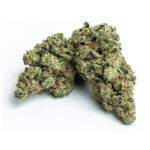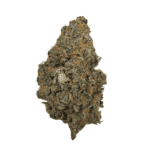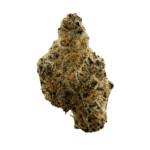


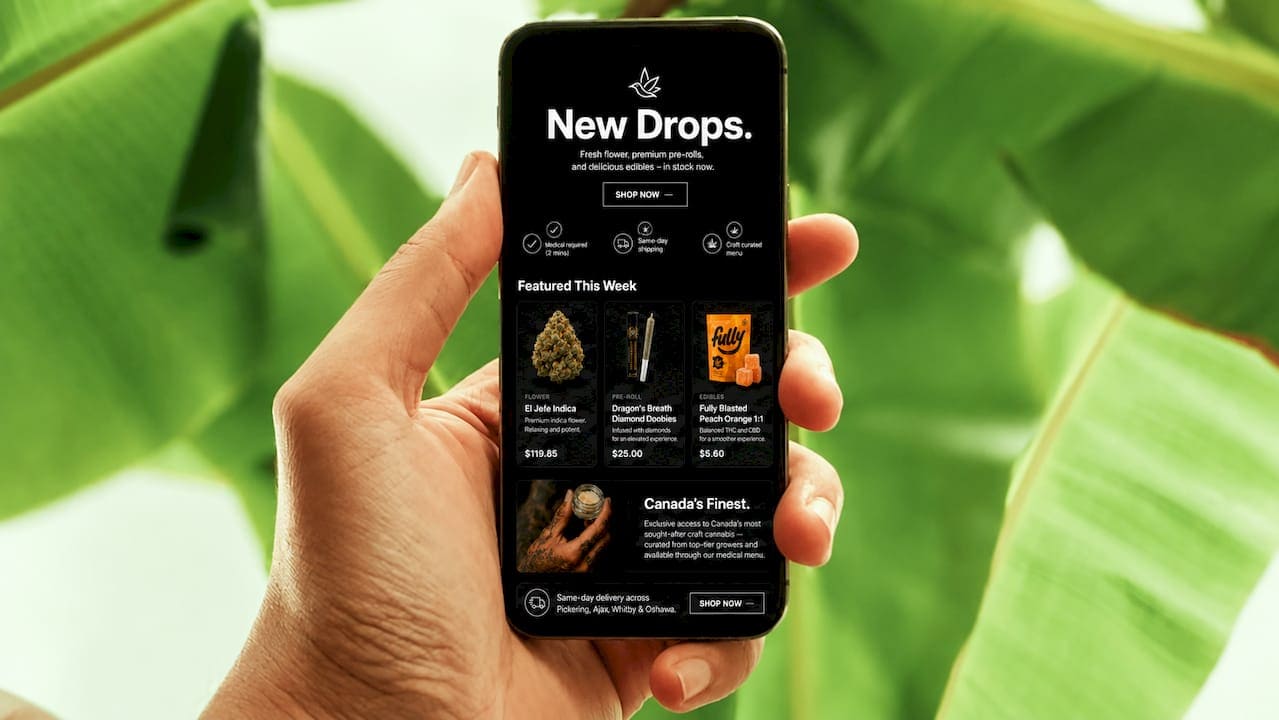
A dispensary cannabis menu is a structured product catalogue listing every cannabis item a retailer carries, organized by category, potency, format, and price. Think of it as the cannabis equivalent of a restaurant menu. It tells you exactly what is available, what it contains, and what experience you can expect before you spend a dollar. For Canadian consumers navigating legal cannabis retail in 2026, understanding what is dispensary cannabis menu means understanding how to shop smarter, avoid wasted money, and find products that actually match what you are looking for.
What is a dispensary cannabis menu and how does it work?
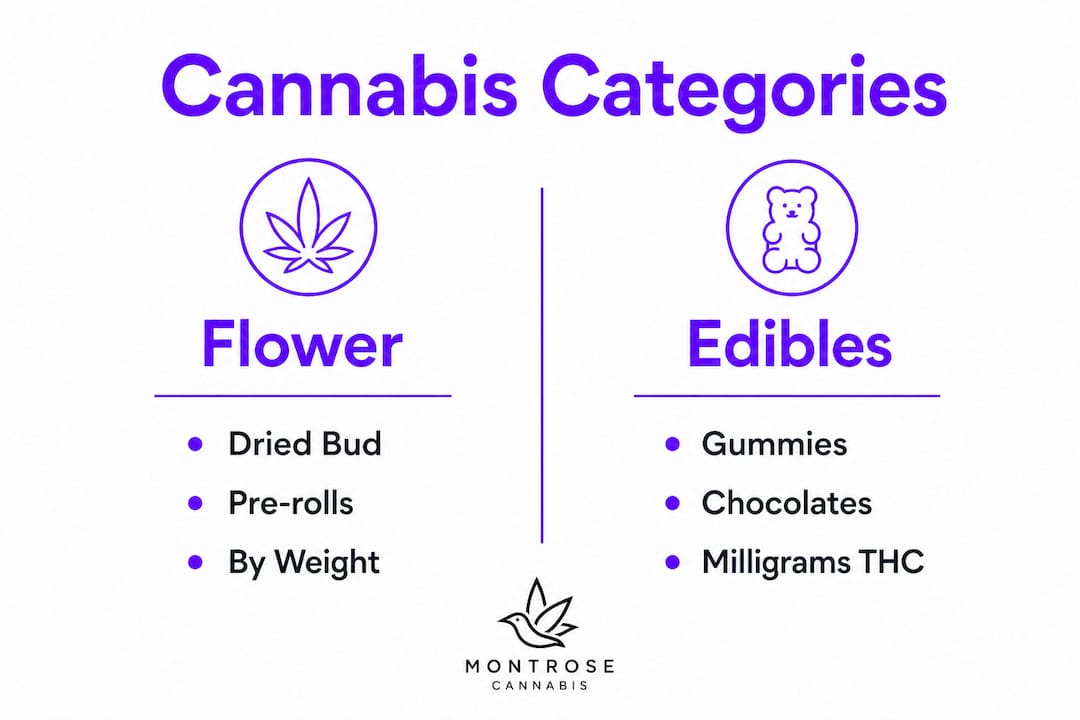
A dispensary cannabis menu organizes products into distinct categories based on consumption method and format: flower, edibles, concentrates, vape cartridges, tinctures, and topicals. Each category carries its own onset time, duration, and dosing logic. That structure is not just for convenience. It reflects genuinely different experiences depending on how cannabis enters your body.
Most menus display the same core details for every product: the strain name, THC and CBD percentages, product weight or serving size, price, and a short effects description. Some menus also include terpene profiles and harvest dates. The more detail a menu provides, the more confident you can be in your choice.
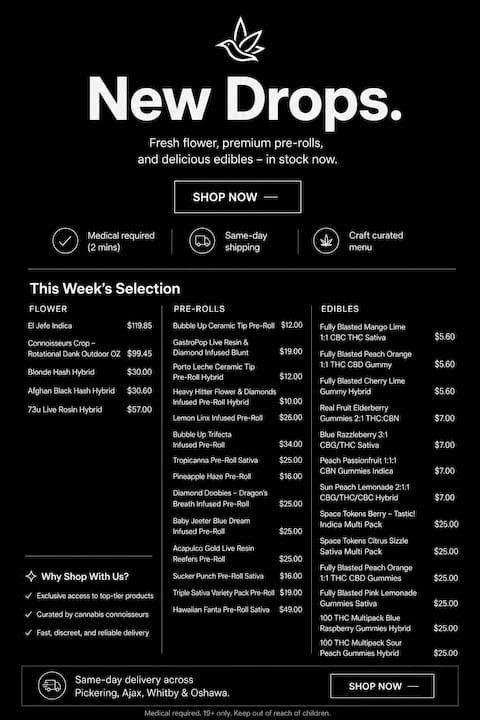
Canadian licensed retailers are required to list accurate cannabinoid content on all products. That regulatory requirement means the numbers on a legal dispensary menu are far more reliable than anything you would find in an unlicensed market.
What product categories appear on cannabis menus?
Cannabis menus categorize products by how they are consumed, and each category behaves differently in your body. Here is what you will typically find.
Flower and pre-rolls
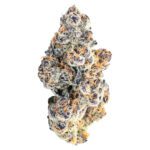
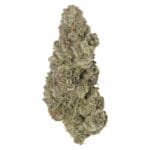
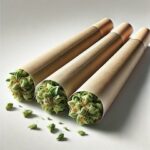
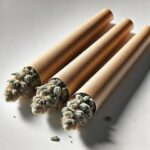
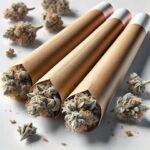
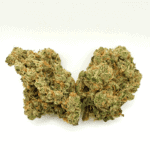
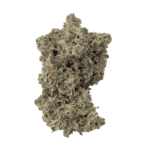
Dried flower is the most common product on any menu. It is sold by weight, usually in 1g, 3.5g, 7g, or 28g formats. Flower potency ranges from 18% to 30% THC in 2026, with onset between 90 seconds and 3 minutes and a duration of 1–3 hours. Pre-rolls are simply flower rolled and ready to use, often sold individually or in multipacks.
Edibles
Edibles include gummies, chocolates, beverages, and baked goods. Dosing is measured in milligrams of THC per serving, typically in 5mg or 10mg increments. The key difference with edibles is timing. Onset runs 30–120 minutes, and effects last 4–8 hours or longer. That delay catches many new consumers off guard, leading to overconsumption. Edibles also produce 11-hydroxy-THC, a metabolite with stronger and longer-lasting effects than inhaled THC.
Concentrates and vape cartridges
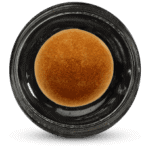
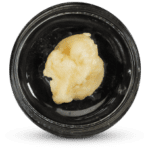
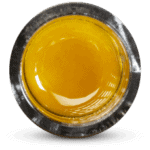
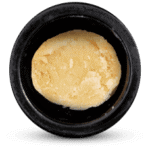
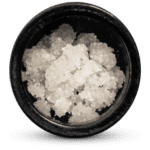
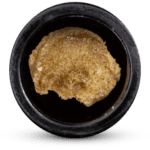
Concentrates include shatter, wax, rosin, and live resin. Concentrates test between 60% and 90% THC, making them the highest-potency products on any menu. Vape cartridges offer a similar potency in a more portable format. Both are best suited to experienced consumers who understand their tolerance. Montrosecannabis carries a curated range of premium concentrates for dabbing if you want to see what is currently available.
Tinctures and topicals
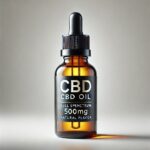
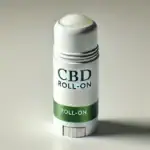
Tinctures are liquid cannabis extracts taken under the tongue or added to food. Onset is faster than edibles, typically 15–45 minutes, because absorption through the mouth bypasses digestion. Topicals are creams, balms, and oils applied directly to the skin. They do not produce psychoactive effects and are used primarily for localized relief. Both formats appear on menus with THC and CBD content listed per millilitre.
| Category | Onset time | Duration | Dosing format |
|---|---|---|---|
| Flower | 90 sec–3 min | 1–3 hours | By weight (grams) |
| Edibles | 30–120 min | 4–8+ hours | By mg per serving |
| Concentrates | 90 sec–3 min | 1–3 hours | By weight (grams) |
| Vape cartridges | 90 sec–3 min | 1–3 hours | By weight (grams) |
| Tinctures | 15–45 min | 2–4 hours | By mL |
| Topicals | 15–30 min | 2–6 hours | By application |
Pro Tip: Always check the “per serving” size on edibles packaging. A single chocolate bar may contain 10 servings at 10mg each, not 10mg total.
How do you read potency and strain data on a cannabis menu?
Potency data is the most misread part of any dispensary menu guide. The THC percentage listed on flower refers to the concentration of delta-9 THC, but most of the THC in dried flower exists as THCA before it is heated. The actual total THC calculation is: total THC = delta-9 THC + (THCA × 0.877). That conversion matters because a product listed at 25% THC may deliver more or less than you expect depending on how it is consumed.
What do indica, sativa, and hybrid labels actually mean?
Indica, sativa, and hybrid labels are marketing categories, not scientific ones. Genetic analysis shows that a labelled indica can be chemically nearly identical to a labelled sativa. The labels persist because consumers recognise them, but they do not reliably predict your experience. Terpene profiles and cannabinoid ratios from a Certificate of Analysis are far more accurate predictors.
Why terpene profiles matter more than strain names
Terpenes are the aromatic compounds that give cannabis its distinct smell and contribute to its effects. Myrcene is associated with relaxing, sedating effects. Limonene is linked to uplifted, energised feelings. Pinene may support alertness and memory. When a menu lists terpene data, use it. A product with a terpene profile that matches your desired outcome is a better choice than one with a high THC number and no terpene information.
Certificates of Analysis: the most reliable data on any menu
A Certificate of Analysis (COA) is a third-party lab report detailing cannabinoid content, terpene levels, and contaminant testing results. It is the most objective product information available. Many Canadian retailers make COAs available on request or through QR codes on packaging. Relying on COA data over marketing copy or strain names gives you a genuinely informed purchase.
Most consumers treat THC percentage as the single measure of quality. That approach misses the full picture. A 22% THC flower with a rich terpene profile will often outperform a 30% product with no terpene data listed.
Pro Tip: Ask your budtender for the COA before buying. Any reputable Canadian retailer will have it available. If they cannot produce one, that tells you something important.
How do menu filters help you find the right product?
Modern dispensary menus include filters that let you sort by desired effect, strain type, price range, THC and CBD levels, and terpene profile. These filters turn a list of hundreds of products into a short, relevant shortlist. Used well, they save time and money.
Here is how to use menu filters effectively:
Start with your desired effect. Most menus offer effect tags like “relax,” “sleep,” “focus,” or “energise.” Choose the effect first, then look at the products that match.
Set a potency range. Beginners should filter for 10–18% THC flower and 2.5–5mg THC edibles. Experienced consumers can adjust upward based on tolerance.
Filter by product type. If you need a short experience, filter for flower or vape. If you need something that lasts through the night, filter for edibles.
Use terpene or minor cannabinoid filters. Some menus let you filter by terpene or by minor cannabinoids like CBN, CBG, and CBC. CBN, for example, is associated with sleep support. Filtering by these compounds adds precision that strain names alone cannot provide.
Set a price ceiling. Quality cannabis does not always mean the most expensive product. Filtering by price helps you find value without sacrificing the attributes that matter to you.
Pro Tip: If you are shopping for a social occasion versus winding down before bed, those are two different filter sessions. Do not use the same criteria for both.
Practical tips for using a dispensary menu without making costly mistakes
Reading a cannabis menu well is a skill. These habits separate confident shoppers from frustrated ones.
Describe your goal, not your preference for potency. Budtenders recommend telling staff what you want to feel rather than asking for the strongest product. “I want to relax without feeling foggy” is more useful than “give me the highest THC.”
Check the harvest date on flower. Flower older than four months typically loses terpene content and aroma, which directly affects the experience. Freshness is a quality indicator that menus do not always highlight prominently.
Wait before redosing edibles. The most common edibles mistake is taking more because you do not feel anything after 30 minutes. Effects can take up to two hours. Wait the full duration before considering a second dose.
Use the COA, not the marketing copy. Strain names like “Purple Kush” or “Wedding Cake” are branding. The COA is science. Cross-reference both when making a decision.
Match the format to your situation. A vape cartridge suits a quick, controlled experience. An edible suits a long evening. Choosing the wrong format wastes money even if the product itself is excellent.
Consider cannabis product knowledge resources. Understanding the difference between flower, concentrates, and edibles at a foundational level makes every future menu visit faster and more confident.
Pro Tip: If you are new to cannabis or trying a new product type, start at the lowest available dose and wait the full recommended time. You can always take more next time. You cannot take less once it is in your system.
Key takeaways
A dispensary cannabis menu is the most important tool you have for making a confident, informed cannabis purchase. Using it well means reading beyond the THC number.
| Point | Details |
|---|---|
| Menus organise by format | Products are grouped by consumption method, each with distinct onset and duration times. |
| THC % is not the full story | Total THC requires a THCA conversion calculation; COA data gives the complete picture. |
| Strain labels are unreliable | Indica, sativa, and hybrid tags do not predict effects; terpene profiles are more accurate. |
| Filters save time and money | Sorting by effect, potency, and terpene profile narrows hundreds of products to a relevant shortlist. |
| Freshness affects flower quality | Flower older than four months loses terpene content and delivers a weaker experience. |
What I have learned from years of reading dispensary menus
The first time I stood in front of a dispensary menu, I did exactly what most people do. I looked for the highest THC percentage and assumed that was the best product. It was not. The experience was overwhelming and not particularly enjoyable, which is a common outcome when potency is the only filter you use.
What changed my approach was learning to read terpene data. A 22% flower with a strong myrcene and caryophyllene profile consistently delivers a better evening than a 28% product with no terpene information listed. That is not a theory. It is something I have tested repeatedly.
Canadian dispensary menus have improved significantly over the past few years. More retailers now include COA links, harvest dates, and terpene breakdowns as standard. That is good news for consumers. The menus that include this detail are the ones worth shopping from. When a menu only lists THC percentage and price, treat that as a signal to ask more questions before buying.
The other thing I would tell anyone new to reading a cannabis menu: talk to the budtender. Not to ask for the strongest product, but to describe what you actually want. A good budtender with a well-organised menu is the fastest path to a product you will want to buy again.
— Nick
Montrosecannabis: a menu worth browsing in the Durham Region and GTA
Montrosecannabis is a trusted Canadian cannabis retailer serving the Durham Region and GTA with a clear, well-organised product catalogue and one-hour delivery. Their menu covers flower, edibles, concentrates, vape cartridges, tinctures, and more, with product details that make informed selection straightforward.
Whether you are looking for current cannabis deals or want to check out the latest new arrivals, Montrosecannabis keeps their inventory updated so you always know what is in stock. Their 4.9-star Google rating reflects a consistent standard of quality and service. If you are in Bowmanville, Pickering, or anywhere across the GTA, same-day delivery means you can shop the menu and have your order at your door within the hour.
FAQ
What is a dispensary cannabis menu?
A dispensary cannabis menu is a complete product listing organized by category, potency, format, and price. It gives consumers the information needed to choose cannabis products based on desired effects, tolerance, and budget.
How do I read THC percentages on a cannabis menu?
THC percentage on flower reflects delta-9 THC concentration, but total THC requires converting THCA using the formula: total THC = delta-9 THC + (THCA × 0.877). For edibles, potency is listed in milligrams per serving.
Are indica and sativa labels accurate on dispensary menus?
Indica and sativa labels are not reliable predictors of effects. Genetic analysis shows labelled indicas can be chemically similar to sativas. Terpene profiles and COA data are more accurate guides to expected experience.
What should beginners look for on a cannabis menu?
Beginners should filter for flower in the 10–18% THC range and edibles at 2.5–5mg THC per serving. Starting low and waiting the full recommended onset time before redosing prevents overconsumption.
What is a Certificate of Analysis and why does it matter?
A Certificate of Analysis (COA) is a third-party lab report listing cannabinoid content, terpene levels, and contaminant test results. It is the most objective product information available and a more reliable guide than strain names or marketing descriptions.