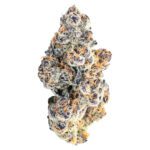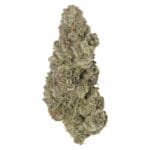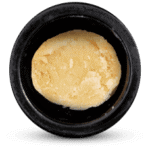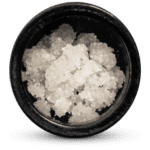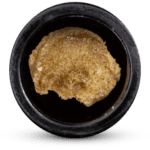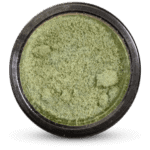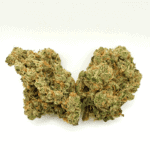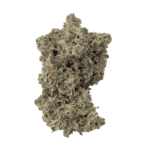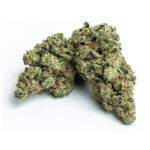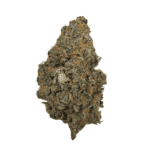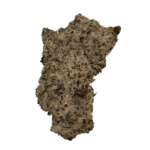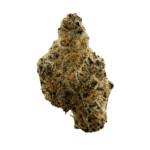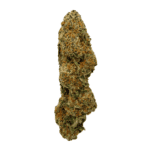



The cannabis grading system is a tiered letter classification from A to AAAAA+ that rates cannabis quality based on potency, appearance, aroma, and bud structure. This informal but widely used system in Canada gives consumers a quick shorthand for product quality before they buy. Understanding what is cannabis grading system means knowing both its strengths and its limits. The system works best when you pair it with a Certificate of Analysis (COA), the official lab document that verifies what is actually in your product. Together, these two tools give you the clearest picture of quality and safety.
What is the cannabis grading system and how does it work?
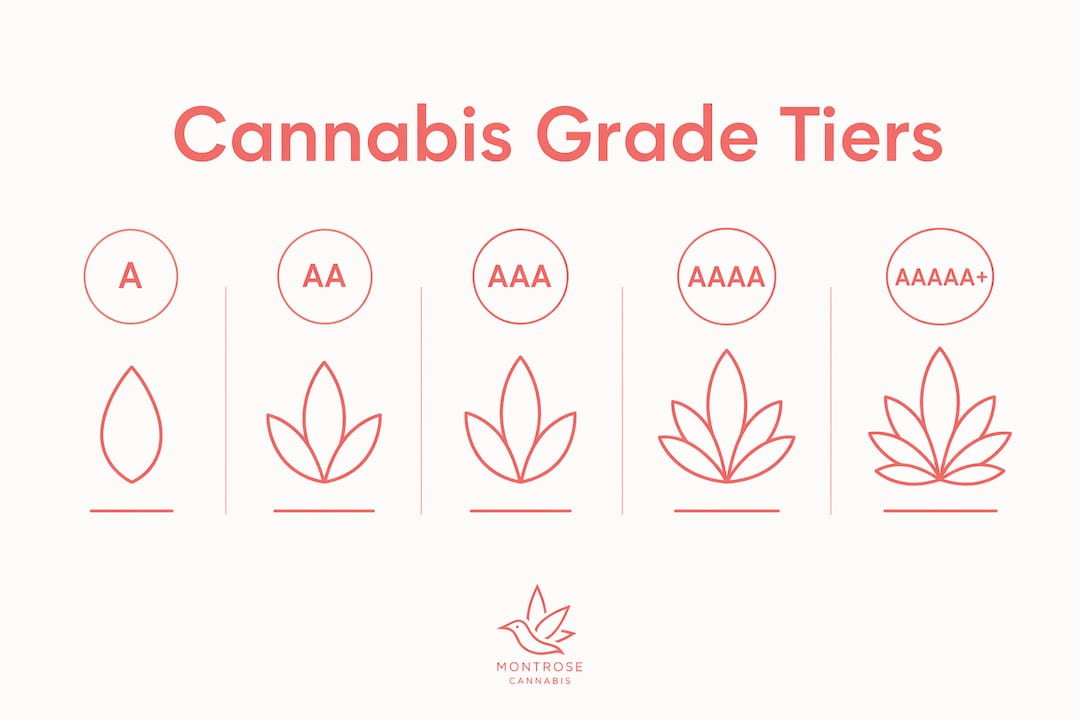
The cannabis grading system ranks flower quality using letter tiers: A, AA, AAA, AAAA, and AAAAA+. Each tier reflects a combination of cannabis grading factors including bud density, trichome coverage, colour, aroma complexity, cure quality, and trim quality. A single-A product is typically lower quality with loose structure and minimal trichomes. AAAA and AAAAA+ represent craft-level cannabis with dense buds, rich colour, and THC potency around 24–30%.
The system is informal. No government body in Canada officially mandates or standardises these letter grades. That means two retailers can label the same product differently. Despite this inconsistency, the grading shorthand has stuck because it communicates quality quickly and intuitively to consumers at every experience level.

How each grade tier compares
| Grade | Bud structure | Trichome coverage | Typical THC range | Aroma complexity |
|---|---|---|---|---|
| A | Loose, airy | Minimal | Low | Mild |
| AA | Moderate density | Light | Low to moderate | Mild to moderate |
| AAA | Dense, well-formed | Moderate | Moderate | Moderate to strong |
| AAAA | Very dense, tight | Heavy | 24–30% | Rich and complex |
| AAAAA+ | Exceptional density | Extremely heavy | 24–30%+ | Exceptional |
Batch consistency matters as much as the grade itself. A retailer who grades honestly and consistently is far more valuable than one who inflates labels to justify higher prices. Grade inflation is common and can mislead consumers who rely on the letter alone.
Pro Tip: Ask your retailer whether their grading is done in-house or by a third party. Third-party grading tends to be more consistent and less subject to marketing pressure.
What is a Certificate of Analysis and why does it matter?
A Certificate of Analysis (COA) is the legally required document in Canada’s cannabis market that verifies lot-by-lot potency and contaminant testing results. It is not a marketing document. It is a regulated lab report tied to a specific production batch. Under the Canadian Cannabis Regulations, every licensed producer must test each batch before it reaches consumers.
A COA covers four key categories:
- Cannabinoid profile: THC, CBD, and other cannabinoid concentrations measured by weight
- Microbial contaminants: Bacteria, mould, and yeast levels tested against Health Canada limits
- Heavy metals: Screening for lead, arsenic, cadmium, and mercury
- Pesticide residues: Testing for prohibited agricultural chemicals
ISO/IEC 17025 accreditation certifies a lab’s technical competence and is required for COA validity under the Cannabis Regulations. This accreditation is method-specific and analyte-specific, meaning a lab must prove proficiency for each individual test it performs. A COA from a non-accredited lab is not legally compliant and should not be trusted.
The COA functions as the downstream truth for product verification. Packaging claims and grade labels are marketing signals. The COA is the factual record. Knowing how to read a cannabis lot number on your product and match it to the correct COA is a foundational skill for any informed buyer. You can learn more about reading lot numbers to make sure you are always checking the right document for your specific batch.
Pro Tip: Always match the lot number printed on your package to the lot number on the COA. Potency and contaminant levels can vary between batches from the same producer.
Letter grades vs. potency scales: which should you trust?
Cannabis quality grading and cannabinoid potency scales measure different things. Letter grades are subjective assessments of the overall product experience: appearance, smell, structure, and cure. Potency scales, expressed as THC or CBD percentages, measure a single chemical attribute. Neither tells the full story on its own.
| Grading element | Letter grade system | Lab-based COA |
|---|---|---|
| Appearance and structure | Assessed | Not assessed |
| Aroma and terpene quality | Assessed | Partially (terpene panels optional) |
| THC/CBD potency | Estimated by grade | Measured precisely |
| Microbial safety | Not assessed | Tested and reported |
| Heavy metals | Not assessed | Tested and reported |
| Pesticide residues | Not assessed | Tested and reported |
| Legal compliance | Not required | Mandatory in Canada |
Relying on potency alone is a common mistake. Potency percentages omit contaminant safety data, which is critical for anyone consuming cannabis regularly. A product labelled at 28% THC with no COA available is a product you cannot fully trust. Research shows that 48% of tested products showed more than 20% deviation in THC concentration from their labelled values. That gap is significant for anyone managing dosage carefully.
The most reliable approach combines both signals. Use the letter grade as a first filter for quality and experience expectations. Use the COA to confirm safety and verify that the potency claim holds up. Consumers who understand both tools make better purchases and avoid products that look good on a menu but fall short in the lab.
How to use cannabis grades and COAs to buy with confidence
Treat letter grades as quality shorthand, not the final word. A AAAA label tells you a retailer believes the product is premium. The COA tells you whether that belief is backed by data. Use both together and you have a genuinely informed purchase.
Follow these steps every time you buy:
- Check the grade tier. Use it to set expectations for appearance, aroma, and overall experience. AAAA and AAAAA+ should show dense buds, heavy trichomes, and complex smell.
- Request the COA. Any reputable retailer will provide it. If they cannot or will not, that is a red flag. You can also learn more about cannabis COA basics to understand what to look for.
- Match the lot number. The COA must correspond to the specific batch you are buying. A COA from a different lot is not relevant to your product.
- Check the cannabinoid profile. Confirm the THC and CBD percentages match what is on the label. A large gap signals a quality control issue.
- Review the contaminant panels. Look for pass/fail results on microbials, heavy metals, and pesticides. All should show “pass” or “ND” (not detected).
- Verify lab accreditation. The testing lab should hold ISO/IEC 17025 accreditation for each test method listed on the COA.
Letter grades offer convenient shorthand for quality, but consumers need COAs for full confidence to avoid marketing-inflated claims. Grade inflation is real, and the only protection against it is a verified lab report.
Pro Tip: Balance price, grade, and lab data together. A well-priced AAA product with a clean COA often delivers better value than an expensive AAAAA+ product with no lab verification available.
Key takeaways
The cannabis grading system is a useful quality shorthand, but it only delivers real value when paired with a verified COA that confirms potency and safety for your specific batch.
| Point | Details |
|---|---|
| Letter grades are informal | No Canadian regulation standardises the A to AAAAA+ system, so grade consistency depends on the retailer. |
| AAAA and AAAAA+ signal premium quality | These tiers indicate dense buds, heavy trichomes, and THC potency typically in the 24–30% range. |
| COAs are legally required | Canadian Cannabis Regulations mandate batch testing for potency, microbials, heavy metals, and pesticides. |
| Potency labels can be inaccurate | Research shows significant THC deviation from labelled values, making COA verification critical. |
| Combine both tools | Use the letter grade as a first filter, then confirm with the COA before finalising your purchase. |
Why I think most cannabis buyers are only using half the information available to them
After years of watching how consumers interact with cannabis products, the pattern is clear: most people look at the grade, check the THC number, and stop there. That approach leaves a lot of important information on the table.
Grade inflation is the part of this market that frustrates me most. I have seen AAAA labels on products that would generously qualify as AAA. The letter system has no enforcement mechanism, which means a retailer’s honesty is the only thing standing between you and an overpriced product. The COA does not have that problem. It is a lab report. The numbers are the numbers.
What I find genuinely encouraging is that COA literacy is improving among regular cannabis consumers. People are starting to ask for lot numbers, match them to documents, and question labels that do not line up with test results. That is exactly the right behaviour. The cannabis market in Canada is maturing, and consumers who understand both subjective grading and objective lab data are the ones who consistently get the best value.
My advice is simple: never buy from a retailer who cannot produce a COA on request. That single standard filters out most of the bad actors in the market. Pair that with a basic understanding of the grading tiers and you are already ahead of the majority of buyers.
— Nick
Montrosecannabis: quality you can verify before you buy
At Montrosecannabis, every product in the catalogue comes with clear grade information and accessible COA documentation so you know exactly what you are getting before it arrives at your door.

Whether you are looking for craft-level AAAA flower, concentrates, or edibles, Montrosecannabis curates its selection from top-tier licensed producers across Canada. The team holds a 4.9-star Google rating because quality and transparency are not optional extras here. They are the standard. Browse the bulk cannabis options for great value on verified product, or check out same-day delivery in Toronto and the GTA if you need your order fast. Quality cannabis, backed by real data, delivered to your door.
FAQ
What does AAAA mean in cannabis grading?
AAAA is a premium tier in the informal Canadian letter grading system. It indicates dense buds, heavy trichome coverage, rich colour, complex aroma, and THC potency typically in the 24–30% range.
Is the cannabis grading system regulated in Canada?
The letter grading system is not regulated by Health Canada or any provincial body. It is an informal industry convention, which means grade consistency depends entirely on the retailer’s honesty.
What is a COA and do I need one?
A COA is a Certificate of Analysis, a legally required lab report under the Canadian Cannabis Regulations. It verifies potency and tests for microbial contaminants, heavy metals, and pesticides for each specific production batch.
Can I trust the THC percentage on a cannabis label?
Not without verification. Research shows that a significant portion of tested products deviate meaningfully from their labelled THC values. Matching the product’s lot number to its COA is the only way to confirm the actual potency.
How do I get a COA for a product I already bought?
Check the packaging for a lot number, then ask your retailer for the corresponding COA. Reputable retailers provide this on request. You can also check the licensed producer’s website, as many post COAs publicly by lot number.