
A cannabis serving size is the amount of THC specified as a single portion by regulators, commonly 10 mg THC per serving in Canada and comparable jurisdictions. That number appears on every legal edible package in the country, but it tells you almost nothing about how much you should actually consume. The gap between the legal serving and your ideal dose is where most people run into trouble. This guide covers Canadian regulations, consumption methods, personal factors, and practical steps to help you find the right cannabis portion for your needs.
What is cannabis serving size under Canadian regulations?
A cannabis serving size is a regulator-defined portion, not a clinical recommendation. Under Canada’s Cannabis Regulations, specifically Section 102.7, edible packages are capped at 10 mg THC per container. That cap means one package equals one serving in the eyes of the law.
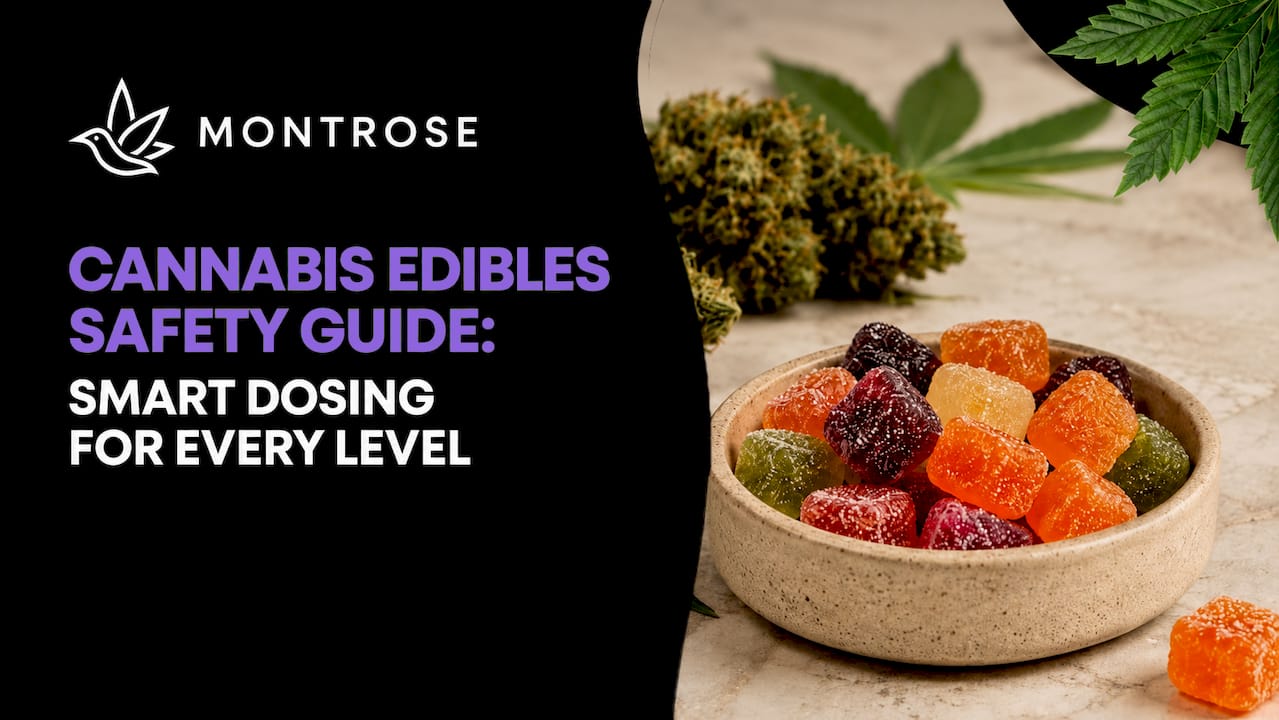
The regulatory intent is product consistency and legal limits, not dosing guidance. A 10 mg gummy is legally one serving, but for a newcomer it may represent four or more effective doses. Health experts recommend beginners start with 1–2.5 mg THC and wait at least two hours before considering more. That gap between 2.5 mg and 10 mg is significant.
Label accuracy adds another layer of complexity. Only 17% of tested edibles fall within ±10% of their stated potency. That means a product labelled at 10 mg could deliver anywhere from 7 mg to well above 12 mg. Conservative initial dosing is the only reliable buffer against that variability.
| Scenario | Legal serving size | Recommended starting dose |
|---|---|---|
| Newcomer, edibles | 10 mg THC | 1–2.5 mg THC |
| Occasional user, edibles | 10 mg THC | 2.5–5 mg THC |
| Experienced user, edibles | 10 mg THC | 5–10 mg THC |
| Medical patient, titrating | 10 mg THC | As directed by prescriber |
Pro Tip: Cut a 10 mg gummy into quarters before your first session. You get a 2.5 mg starting dose without needing a separate low-dose product.
How do consumption methods affect cannabis dosing?
The method you choose changes everything about how a serving behaves in your body. Inhaled cannabis acts within minutes, so you can assess your response after 15 minutes and decide whether to take another puff. Edibles peak at 45 minutes to two hours, which is where most overconsumption happens.
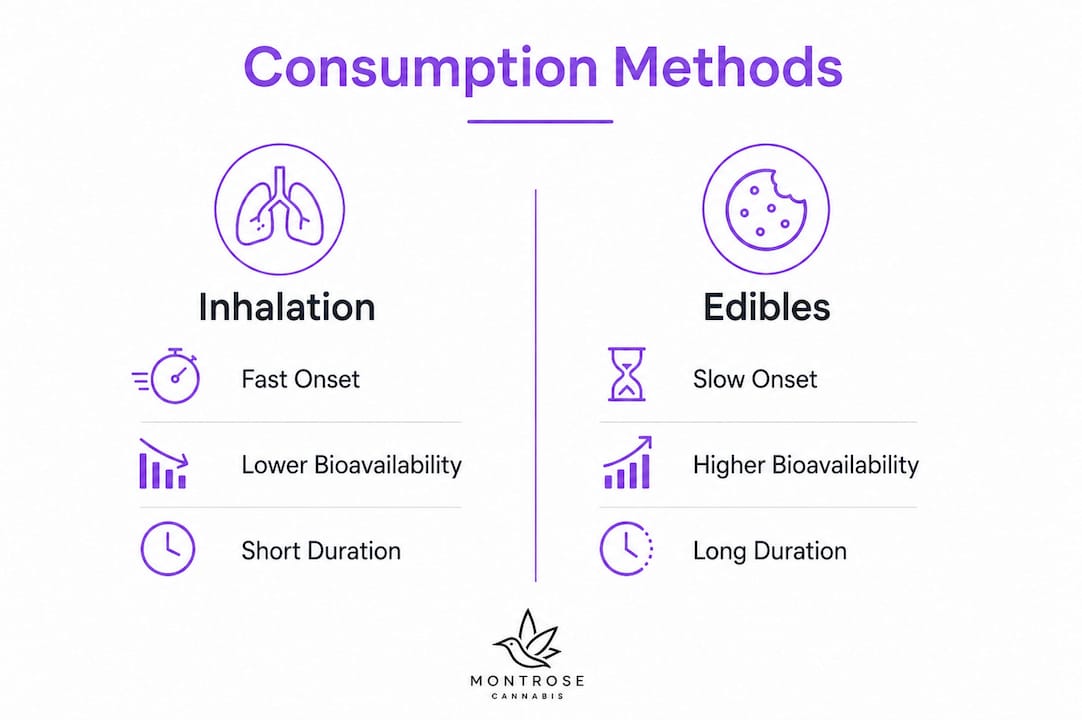
Bioavailability differs sharply between methods. Inhalation delivers THC directly to the bloodstream through the lungs, producing a faster but shorter effect. Edibles are processed through the liver, converting THC into 11-hydroxy-THC, a compound that is more potent and longer-lasting. Edibles peak at 2–4 hours and can produce effects that feel more sedating and body-centred than inhaled cannabis.
Tinctures and oils sit between the two. Held under the tongue, they absorb in 15–45 minutes and offer more control than edibles. Concentrates like cannabis budder are highly potent and require experienced handling, since even a small portion can contain far more THC than a standard edible serving.
Here is a quick reference for method-specific serving considerations:
-
Flower or pre-rolls: One to two puffs is a reasonable starting point. Wait 15 minutes before taking more.
-
Vape cartridges: Similar to flower. One short inhale, then pause and assess.
-
Edibles (gummies, chocolates): Start at 2.5 mg or less. Wait a full two hours before redosing.
-
Tinctures: Start with 0.5 ml or less. Effects arrive in 15–45 minutes.
-
Concentrates: For experienced consumers only. Portions are measured in milligrams of concentrate, not grams.
-
Low-odour formats: Discreet product types like capsules and strips behave like edibles in terms of onset and duration.
What individual factors influence your ideal cannabis portion size?
No two people respond to the same cannabis dose in the same way. Tolerance, metabolism, body weight, and prior experience all alter how THC affects you. Genetics also play a role. Variations in the CYP2C9 enzyme affect how quickly your liver processes THC, meaning the same 5 mg dose can feel mild to one person and intense to another.
The “start low and go slow” principle exists because cannabis shows a biphasic dose response. Low doses reduce anxiety or pain. Higher doses can increase anxiety and impair cognition. Doubling your THC dose does not double the benefit. It can disproportionately increase negative effects without better relief.
Finding your minimum effective dose takes patience and a structured approach:
-
Choose your method. Start with inhalation or a tincture if you want faster feedback. Choose edibles only if you are prepared to wait.
-
Set your starting dose. Newcomers begin at 1–2.5 mg THC. Occasional users can start at 2.5–5 mg.
-
Wait the full onset window. Fifteen minutes for inhalation, two hours for edibles. Do not redose before the window closes.
-
Record your experience. Note the dose, method, onset time, intensity, and duration. Journaling your doses is the fastest way to find your personal sweet spot.
-
Increase slowly. Wait at least three days between dose increases to let your endocannabinoid system adapt and to avoid stacking effects.
-
Reassess regularly. Tolerance builds over time. If effects feel weaker, a short break often resets sensitivity more effectively than increasing the dose.
Pro Tip: Treat cannabis like a new medication. Hold your starting dose steady for several days before adjusting. This gives you clean data on how your body responds.
What are the risks of misunderstanding cannabis serving sizes?
The most common mistake with edibles is impatience. The “impatience effect” describes what happens when a person feels nothing after 45 minutes and takes a second dose. Effects that were already building then arrive all at once, producing an experience far more intense than intended. Anxiety, paranoia, rapid heart rate, and nausea are the typical outcomes.
A 10 mg edible is the legal serving size in Canada. For a newcomer, it is not a safe starting dose. Treat the regulatory number as a package limit, not a consumption target.
Label inaccuracies compound the risk. Because only 17% of tested edibles meet tight potency standards, the dose you think you are taking may not match what you actually receive. Checking cannabis safety recalls in Ontario and buying from licensed retailers reduces this risk considerably. Knowing your cannabis lot number also helps you trace a product back to its tested batch if something feels off.
High doses carry real clinical consequences. Research shows doses above 20 mg THC significantly increase the likelihood of dizziness, paranoia, and cognitive impairment. That threshold is only two standard Canadian servings. New consumers can reach it easily without realising it.
How to apply serving size knowledge in practice
Finding your ideal cannabis consumption amount is a process, not a single decision. The goal is the minimum effective dose: the smallest amount that delivers the effect you want without unwanted side effects.
| Step | Action | Notes |
|---|---|---|
| Choose your format | Edibles, flower, tincture, or concentrate | Match format to your comfort and experience level |
| Set starting dose | 1–2.5 mg THC for newcomers | Cut edibles if needed; one puff for inhalation |
| Wait the full window | 15 min (inhaled), 2 hours (edibles) | Never redose before the window closes |
| Record effects | Dose, onset, intensity, duration | A simple notes app works fine |
| Adjust after 3 days | Increase by 1–2.5 mg if needed | Small increments prevent overshooting |
| Consider microdosing | 1–2.5 mg THC for daily use | Useful for chronic pain or anxiety with minimal impairment |
A few practical habits make the process safer and more consistent:
-
Buy from licensed retailers who carry clearly labelled products.
-
Store cannabis properly to preserve potency and prevent accidental consumption.
-
Avoid mixing cannabis with alcohol, which amplifies THC effects unpredictably.
-
If you are using cannabis for medical purposes, work with a healthcare provider to set your dosing targets.
-
Revisit your dose after any extended break, since tolerance drops quickly and your previous serving may feel much stronger.
Key takeaways
A cannabis serving size is a regulatory construct set at 10 mg THC in Canada, but your personal effective dose is almost always lower and depends on your method, tolerance, and biology.
| Point | Details |
|---|---|
| Legal serving vs. personal dose | 10 mg THC is the Canadian legal standard, not a recommended starting dose for newcomers. |
| Start low, go slow | Beginners should start at 1–2.5 mg THC and wait the full onset window before redosing. |
| Method changes everything | Inhaled cannabis acts in minutes; edibles take up to two hours and produce stronger, longer effects. |
| Label accuracy is limited | Only 17% of tested edibles meet tight potency standards, so conservative dosing is always safer. |
| Titrate over days | Increase your dose by small increments and wait at least three days between adjustments. |
What I have learned from watching people get dosing wrong
I have seen the same pattern repeat itself more times than I can count. Someone tries an edible, feels nothing after an hour, takes another, and then spends the next four hours wishing they had not. The regulatory serving size of 10 mg is partly responsible for this. It sounds modest. It is printed on a package the size of a stick of gum. People assume it is a reasonable starting point because it is the only number they have.
The uncomfortable truth is that the 10 mg standard was designed for product consistency, not consumer safety. Regulators needed a number that could be measured, labelled, and enforced. They did not design it as a dosing recommendation. That distinction matters enormously, and it is still not communicated clearly enough on Canadian packaging.
My honest advice to anyone starting out: ignore the serving size on the label as a consumption target. Use it only to calculate how much THC is in the package. Then cut that amount down to a quarter or less for your first experience. The people who have the best early experiences with cannabis are almost always the ones who were underwhelmed the first time. That is a feature, not a failure.
The evolution of consumer education in Canada is real but slow. Retailers are getting better at explaining dosing. Products like microdose formats are becoming more available. But the gap between what the label says and what a newcomer needs to know remains wide. Until that gap closes, the best tool you have is patience and a notes app.
— Nick
Premium cannabis products with clear dosing, delivered fast
Finding the right cannabis serving size starts with knowing exactly what is in your product. Montrosecannabis carries a curated selection of craft cannabis from top-tier Canadian growers, with clear labelling across flower, edibles, concentrates, and more.
Whether you are a newcomer building your first dosing routine or an experienced consumer looking for something specific, Montrosecannabis has you covered across the Durham Region and GTA with one-hour delivery. Browse cannabis seeds in Canada for those who want to grow their own, or check out the full cannabis product catalogue to find the format that fits your consumption goals. Every order arrives discreetly, quickly, and backed by a 4.9-star Google rating.
FAQ
What is the standard cannabis serving size in Canada?
Canada’s Cannabis Regulations set one edible serving at 10 mg THC per package. This is a legal limit for product packaging, not a recommended dose for consumers.
How much cannabis should a newcomer take?
Health experts recommend newcomers start with 1–2.5 mg THC and wait at least two hours before considering more. This is well below the 10 mg legal serving size.
Why do edibles feel stronger than smoking the same amount?
Edibles are metabolised by the liver into 11-hydroxy-THC, a more potent compound than inhaled THC. Effects also last longer, peaking at 2–4 hours compared to minutes for inhalation.
How long should I wait before taking a second dose?
Wait 15 minutes after inhalation and a full two hours after edibles before redosing. Redosing too early is the leading cause of overconsumption, especially with edibles.
Can I build tolerance to cannabis over time?
Yes. Regular use builds tolerance, meaning the same serving produces weaker effects over time. A short break of several days often resets sensitivity without needing to increase your dose.


