
Cannabis strains in Canada fall into four main categories: indica, sativa, hybrid, and CBD. These labels are a useful starting point, but the types of cannabis strains Canada consumers actually encounter on licensed shelves are overwhelmingly hybrids with complex chemical profiles. Your real experience depends on THC potency, CBD content, and terpene combinations, not just the category name on the package. This guide breaks down each strain type, explains what Canadian labels actually tell you, highlights popular varieties, and helps you match the right product format to your goals.
1. What are the types of cannabis strains in Canada?
Indica, sativa, hybrid, and CBD are the four strain categories you will find across Canadian licensed retailers. Each carries a general set of expected effects, though these are tendencies rather than guarantees.
Here is what each category typically delivers:
-
Indica: Body-heavy and relaxing. Indica strains are associated with physical calm, reduced tension, and sleepiness. Best suited for evenings, wind-down routines, or sleep support.
-
Sativa: Uplifting and energising. Sativa strains tend to produce a more cerebral, social, and creative effect. Popular for daytime use, outdoor activities, or creative work.
-
Hybrid: A blend of indica and sativa genetics. Most hybrids lean one way or the other, labelled as indica-dominant or sativa-dominant. Effects vary widely depending on the specific genetic mix and chemical profile.
-
CBD strains: Low in THC and high in cannabidiol (CBD). These strains are non-intoxicating and appeal to consumers focused on wellness, anxiety relief, or pain management without a psychoactive high.
The honest truth is that effects vary beyond simple labels. Two products both labelled “indica” can feel quite different if their terpene profiles and THC percentages differ significantly. Treat these categories as a rough compass, not a precise map.
2. Why most Canadian cannabis strains are hybrids
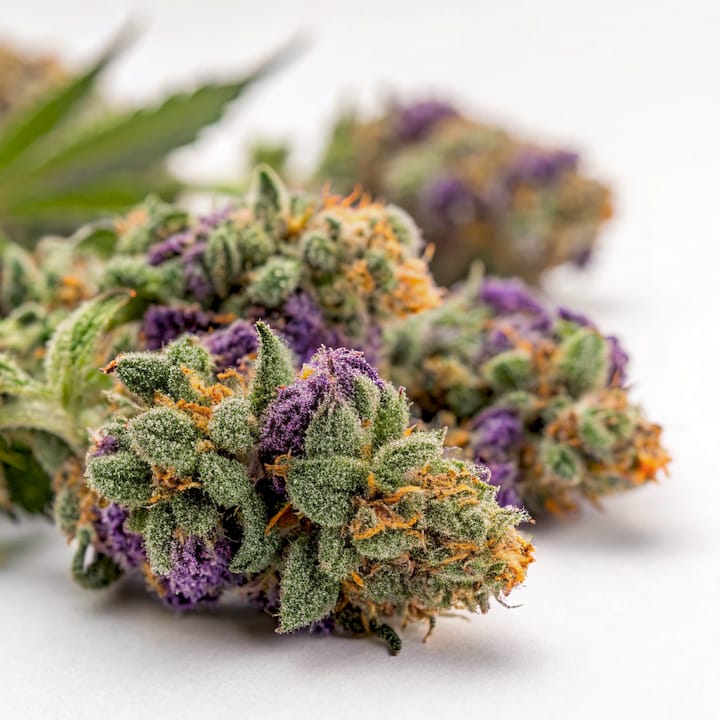
Hybrids make up 85.7% of cannabis strains in PhenoDB’s 2026 dataset of over 56,000 verified strains. That figure reflects decades of selective breeding that has blurred the line between pure indica and pure sativa genetics almost entirely.
Pure landrace indicas and sativas still exist, but they are rare on Canadian retail shelves. What you find at most licensed producers (LPs) is a spectrum of hybrid genetics, each with its own cannabinoid and terpene fingerprint. This matters because two products in the same “indica” section of a store can produce noticeably different experiences.
| Strain Category | Approximate Share of Market | Typical Effect Direction |
|---|---|---|
| Hybrid | Very high (dominant) | Variable, depends on dominance |
| Indica-dominant hybrid | Common | Relaxing, body-focused |
| Sativa-dominant hybrid | Common | Uplifting, cerebral |
| Pure indica | Rare | Deep body relaxation |
| Pure sativa | Very rare | Strong cerebral stimulation |
Individual variation within strain types exceeds variation between types. That is the key takeaway from PhenoDB’s analysis, and it changes how you should shop.
Pro Tip: Stop filtering by indica or sativa first. Filter by THC percentage and CBD content instead, then use the category label as a secondary signal.
3. How to read Canadian cannabis labels
Health Canada requires THC and CBD to be declared on all cannabis packaging. Terpene information is optional and inconsistently displayed across producers.
Here is what you will typically find on a legal Canadian cannabis label and what each element means:
-
THC percentage: The primary indicator of potency. Higher THC generally means a stronger psychoactive effect. Check both the total THC and the activated THC (THCa converts to THC when heated).
-
CBD percentage: Indicates the non-intoxicating cannabinoid content. Higher CBD can moderate the intensity of THC and adds potential therapeutic value.
-
Strain name: Useful for identifying a product, but not reliable across producers. The same strain name from different LPs can mean meaningfully different genetics and effects.
-
Lot number: Links the product to a specific production batch. Checking the lot number for lab results gives you the most accurate picture of what is actually in the package.
-
Terpene information: When listed, treat it as directional. Terpene notes on Canadian packaging are often marketing-level detail unless paired with lab-certified data from the producer’s website.
Pro Tip: When you find a product you love, write down the LP name, lot number, THC percentage, and any listed terpenes. That record is worth more than any strain name.
4. Popular cannabis varieties you will find in Canada
Canada’s licensed market features a mix of classic genetics and newer craft varieties. These are some of the most recognised strain types and varieties circulating on Canadian shelves.
-
Pink Kush: An indica-dominant hybrid with a sweet, floral, and vanilla-forward flavour profile. Known for strong body relaxation and high THC content. A favourite for evening use and stress relief.
-
Jean Guy: A sativa-dominant hybrid with a sharp citrus and pine aroma. Originating in Québec, Jean Guy is one of Canada’s most distinctly homegrown varieties. Consumers report uplifting, focused effects.
-
God Bud: An indica-dominant hybrid developed in British Columbia. It carries earthy, fruity notes and delivers heavy physical relaxation. Popular among consumers managing pain or insomnia.
-
Rockstar: A cross of Rockbud and Sensi Star, producing an indica-dominant hybrid with spicy, grape-like flavour. Well-regarded for deep relaxation without extreme sedation.
-
Balanced hybrids (1:1 THC:CBD): Not a single strain but a growing category. These products pair roughly equal THC and CBD, producing a gentler, more manageable experience. Ideal for newer consumers or those seeking therapeutic effects with mild intoxication.
Regional and producer variations are real. God Bud from one BC producer can differ noticeably from a version grown in Ontario. The genetics may share a name, but cultivation conditions, harvest timing, and curing methods all affect the final product.
5. Cannabis product formats and how they affect your experience
Canada’s cannabis market includes multiple product categories beyond dried flower: edibles, oils, concentrates, topicals, and vapes. The format you choose shapes your experience as much as the strain itself.
| Format | Onset Time | Duration | Best For |
|---|---|---|---|
| Dried flower (smoked) | 2–10 minutes | 1–3 hours | Fast relief, experienced consumers |
| Vape (inhalation) | 2–10 minutes | 1–3 hours | Convenience, portability |
| Edibles | 30–120 minutes | 4–8 hours | Long-lasting effects, discreet use |
| Oils and capsules | 30–90 minutes | 4–6 hours | Precise dosing, medicinal use |
| Topicals | Localised, varies | Varies | Pain relief, no psychoactive effect |
| Concentrates (hash, budder) | 2–10 minutes | 1–4 hours | High potency, experienced consumers |
Medicinal consumers benefit from matching format and dosing to their condition goals as much as focusing on strain type. Edibles, for example, produce a longer and often more intense experience than inhaled flower at the same THC dose. That difference matters enormously for therapeutic planning.
If you are new to cannabis or trying a new strain, start with a low-THC product in a format that gives you control over dosing. Oils and capsules are easier to measure than flower. Edibles require patience because the delayed onset leads many consumers to take too much too soon.
Key takeaways
Choosing cannabis in Canada means reading chemical profiles first and using strain category labels as a secondary filter, not the primary one.
| Point | Details |
|---|---|
| Labels are a starting point | Indica, sativa, and hybrid categories guide direction but do not guarantee specific effects. |
| Hybrids dominate the market | The vast majority of Canadian strains carry mixed genetics, making pure types rare on retail shelves. |
| THC and CBD are the reliable numbers | These figures are mandatory on Canadian packaging and give the most consistent prediction of potency. |
| Strain names vary by producer | The same name from two different licensed producers can mean different genetics and different effects. |
| Format shapes the experience | Edibles, flower, oils, and concentrates produce distinct onset times and durations regardless of strain type. |
What I have learned about picking strains in Canada
I have spent years watching Canadian consumers get frustrated by the same trap: they buy a strain they loved before, from a different producer, and it feels completely different. That is not a fluke. It is the predictable result of a market where strain names are loosely applied and hybrid genetics vary widely between licensed producers.
The most useful shift I have seen is when consumers stop chasing strain names and start tracking chemical data. Write down the THC percentage, the CBD level, the producer, and how the product made you feel. After five or six entries, patterns emerge that no strain label could have predicted. Tracking personal response by THC, CBD, and terpene content consistently produces better outcomes than relying on category labels alone.
I am also sceptical of terpene marketing on Canadian packaging. Terpenes genuinely influence the experience, but the data on labels is often incomplete. If a producer lists terpenes without a lab report attached to the batch, treat it as flavour description, not a therapeutic claim. The lot number on your package is your best tool for finding real batch data.
The Canadian market is maturing. Craft producers are getting more transparent, and consumers are getting more informed. The best approach right now is to buy from producers who publish their lab results, keep your own notes, and treat every new product as a small, low-dose experiment.
— Nick
Montrosecannabis: your source for top Canadian strains
Montrosecannabis carries a curated selection of indica, sativa, hybrid, and CBD products sourced from trusted Canadian growers. Every listing includes THC and CBD content so you can filter by what actually matters, not just a category label.
Whether you are after a relaxing indica-dominant flower, a sativa-leaning vape for daytime use, or a balanced CBD oil for wellness, Montrosecannabis has you covered across the Durham Region, GTA, and beyond. Check out the new arrivals for the latest craft strains, or stock up with bulk cannabis options if you have found a product you love. With a 4.9-star Google rating and one-hour delivery, getting quality cannabis delivered to your door has never been this straightforward.
FAQ
What are the main types of cannabis strains in Canada?
The four main cannabis strain categories in Canada are indica, sativa, hybrid, and CBD. Hybrids are by far the most common on licensed retail shelves.
Does the indica vs. sativa label predict how I will feel?
Not reliably. Effects depend more on THC, CBD, and terpene profiles than on the indica or sativa label. Use the category as a rough guide, then check the chemical data.
Why do the same strain names feel different from different producers?
Strain names in Canada are loosely applied, meaning the same name from two licensed producers can reflect different genetics, growing conditions, and potency levels.
What is the best cannabis format for a beginner in Canada?
Oils and capsules are the best starting point because they allow precise, measurable dosing. Edibles work well too, but their delayed onset of 30–120 minutes requires patience to avoid taking too much.
How do I find lab results for a Canadian cannabis product?
Use the lot number printed on your package to search the licensed producer’s website for batch-specific lab reports. Montrosecannabis also provides lot number guidance to help you verify what is in your product.


