Some CBD products can help with short-term mild stress and nervousness for some people — but for most other health claims, the evidence is still catching up to the marketing. Health Canada’s Science Advisory Committee found early support for that narrow stress-relief use, while concluding there is insufficient evidence for sleep promotion or minor pain relief. Under the Cannabis Act, CBD is a controlled substance in Canada, and any therapeutic claim on a product label requires specific regulatory authorisation.
Here is what the evidence most reliably supports versus what tends to be overhyped:
- Likely realistic: Short-term relief of mild stress and nervousness (some early evidence); symptom improvement in moderate-to-severe pain and anxiety in clinical settings (observational data)
- Insufficient evidence: General sleep improvement, minor pain relief for the broader population, and most mass-market wellness claims
- Prescription-only territory: Drug-resistant epilepsy (Epidiolex), spasticity in multiple sclerosis (nabiximols), and chemotherapy-related nausea (nabilone)
In a 2022 survey, 68% of medical cannabis users reported beneficial effects on physical health and 66% on mental health — but self-report is not clinical proof.
Key takeaways
CBD products offer real but narrow evidence-backed benefits — primarily short-term stress and nervousness relief — and choosing a tested, CoA-verified product from an authorised retailer is the single most important step you can take.
| Point | Details |
|---|---|
| Strongest evidence | Short-term mild stress and nervousness relief has early support; sleep and pain claims lack sufficient evidence. |
| Safety first | CBD inhibits CYP450 enzymes; always review drug interactions with a pharmacist before starting. |
| Verify the CoA | Confirm CBD concentration, THC level, and contaminant testing before purchasing any product. |
| Realistic timelines | Sublingual onset is 15–45 minutes; oral formats take 1–3 hours; allow 2–4 weeks to evaluate ongoing use. |
| Montrosecannabis | Carries CoA-backed CBD products with one-hour delivery in Durham Region and GTA via authorised channels. |
This article is general information, not a substitute for advice from a qualified doctor. Consult a qualified healthcare professional about your own circumstances before acting on anything here.
Table of Contents
- What do the benefits of CBD products actually look like in the research?
- How does CBD work, and which product types should you know about?
- Is CBD safe, and what interactions should you watch for?
- What does Canadian regulation say, and how do you verify product quality?
- How do you choose a CBD product and what should you ask your doctor?
- When might you notice effects, and what does CBD typically cost?
- What the evidence gap actually means for you
- Montrosecannabis: your trusted source for legal CBD products
- Sources
- FAQ
What do the benefits of CBD products actually look like in the research?
The honest answer depends heavily on which condition you are asking about.
Stress and nervousness is where CBD has its strongest consumer-facing support. The Science Advisory Committee concluded there is some early evidence for short-term use (under 30 days) for mild symptoms. Studies are small and preparations vary widely, so “early evidence” is the right framing.

Sleep is more complicated. CBD’s effect on sleep appears dose-dependent: higher doses may promote sleep while lower doses can delay it. That sensitivity explains why consumer reports are so inconsistent and why cautious titration matters.
Pain has limited evidence for short-term minor relief in observational settings. A real-world study from a Quebec clinical setting found measurable symptom improvement for patients with moderate to severe pain, anxiety, or depression — but no measurable benefit for those with mild symptoms. That finding directly contradicts the mass-market message that CBD is a light-touch booster for everyone.
Serious conditions like epilepsy, MS-related spasticity, and chemotherapy nausea are addressed by approved cannabinoid drugs under specialist supervision. These are not over-the-counter wellness products.
How does CBD work, and which product types should you know about?
CBD interacts with the endocannabinoid system, a network of receptors involved in regulating mood, pain, sleep, and immune response. Unlike THC, CBD is non-intoxicating. Cannabis contains over 100 cannabinoids, and CBD may actually moderate some of THC’s effects when present in equal or higher amounts.
Main product types and their typical uses:
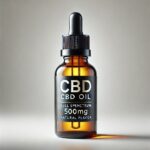
- Oils and tinctures: Taken sublingually (under the tongue); fast onset, easy to adjust dose
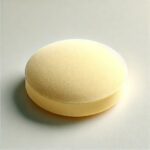
- Capsules: Consistent dosing, slower onset, discreet
- Edibles: Longest onset, longest duration; harder to dose precisely — learn more about cannabis beverage formats as one example
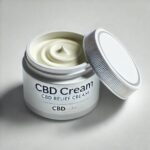
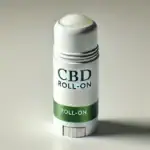
- Topicals: Localised effect; minimal systemic absorption; useful for targeted skin or muscle applications
- Vapes/inhalation: Fastest onset, shortest duration; carries respiratory risk
Formulation matters too. Full-spectrum products contain CBD plus minor cannabinoids and trace THC. Broad-spectrum removes most THC. Isolate is pure CBD. For a deeper look at broad-spectrum cannabis differences, that distinction matters especially if drug testing is a concern.
| Route | Typical onset | Typical duration |
|---|---|---|
| Inhaled | 1–5 minutes | 1–3 hours |
| Sublingual (oil) | 15–45 minutes | 4–6 hours |
| Oral/edible | 1–3 hours | 6 hours |
| Topical | 30 minutes (localised) | Variable |
| Capsule | 1–2 hours | 6 hours |

Is CBD safe, and what interactions should you watch for?
CBD is generally well tolerated at low doses, but it has real side effects and clinically important drug interactions that deserve attention before you start.
Common side effects include:
- Drowsiness and fatigue
- Gastrointestinal upset (nausea, diarrhoea)
- Changes in appetite
- Elevated liver enzymes at higher doses
The bigger concern for many people is drug interactions. CBD inhibits CYP450 enzymes, which process a wide range of medications. If you take blood thinners (warfarin), antiepileptics, certain antidepressants, or immunosuppressants, CBD can alter how those drugs behave in your body. Health Canada’s notice to stakeholders identifies drug interactions as one of the key research gaps still being investigated.
Pro Tip: Start with the lowest available dose and increase slowly over one to two weeks. Always bring a product’s Certificate of Analysis (CoA) to your pharmacist or physician before starting — they can flag interaction risks specific to your medications.
Workplace drug testing warning: Full-spectrum CBD products contain trace THC. Even small amounts can trigger a positive result on a standard urine drug screen. If you are subject to workplace testing, choose a verified CBD isolate and confirm THC content on the CoA. Review Canada’s THC labelling rules to understand what the label is actually telling you.
What does Canadian regulation say, and how do you verify product quality?
CBD products in Canada are regulated under the Cannabis Act and must be purchased through authorised retailers or medical channels. No CBD product can legally make therapeutic health claims without specific regulatory authorisation.
Quality signals to verify before buying:
- Certificate of Analysis (CoA) from an accredited third-party lab
- Confirmed CBD and THC concentrations matching the label
- Testing for contaminants (pesticides, heavy metals, microbials)
- Clear manufacturing licence number
- Transparent ingredient list
Health Canada published a “What We Heard” report in March 2025 summarising stakeholder feedback on a potential pathway for natural health products containing CBD. Stakeholders broadly supported CoA requirements and risk-based regulation, while cautioning against pharmaceutical-style licensing burdens that could limit access to lower-risk products.
Red flags to avoid:
- Medical claims on the label without regulatory authorisation
- No CoA available or CoA from a non-accredited lab
- Unclear or missing source information
- Prices dramatically below market (often signals diluted or mislabelled product)
How do you choose a CBD product and what should you ask your doctor?
Start by defining your goal clearly. Mild short-term stress? A sublingual oil with a verified CoA is a reasonable starting point. Localised muscle discomfort? A topical with clear CBD concentration. Moderate-to-severe symptoms? That warrants a conversation with a clinician before purchasing anything.
Step-by-step selection checklist:
- Define your goal and match it to the evidence (stress/nervousness has the most support)
- Choose a format based on your preferred onset time (see the table above)
- Verify the CoA — confirm CBD content, THC level, and contaminant testing
- Check THC concentration relative to your drug-testing situation
- Review dosing guidance and plan a slow titration (start low, increase gradually)
- Confirm the retailer is authorised under the Cannabis Act
Questions to ask your healthcare provider:
- Does CBD interact with any of my current medications?
- What dose range is appropriate for my situation?
- How long should I try it before evaluating whether it’s working?
- Should I be monitoring liver function?
For a practical safe CBD consumption workflow, including titration guidance, that resource walks through the process step by step.
Montrosecannabis carries products like DayDay Full Spectrum CBG+CBD Oil and Daily CBD Face And Body Wash as examples of what you might find on a regulated platform. Both come with product information consistent with authorised retail standards.
When might you notice effects, and what does CBD typically cost?
Short-term effects from inhaled or sublingual CBD can appear within minutes to 45 minutes. Oral formats take one to three hours. Topicals work locally and onset varies. For stress-related benefits, the Science Advisory Committee’s evidence base covers use periods under 30 days — so a realistic evaluation window is two to four weeks of consistent use.
Price drivers include CBD concentration, full-spectrum versus isolate formulation, third-party testing costs, and regulatory compliance overhead. Higher-quality, tested products from authorised retailers cost more — that premium reflects real quality controls, not just branding.
Pro Tip: Buy a smaller trial size first. A 15 mL or 30 mL oil lets you assess your response before committing to a larger format. Cost-per-milligram of CBD is the most useful comparison metric across products.
What the evidence gap actually means for you
The consumer enthusiasm around CBD is real, and some of it is justified. Short-term stress relief for some people is a defensible claim backed by early evidence. But the gap between what the research supports and what most product marketing implies is still significant. The Science Advisory Committee’s call for more clinical trials and better post-market surveillance is not a bureaucratic footnote — it is an honest acknowledgement that we do not yet have the data to make confident population-level claims for most CBD uses.
My editorial position: cautious endorsement for selected short-term uses, with clinician involvement, CoA verification, and realistic expectations. If you experience an adverse effect, report it to Health Canada’s MedEffect programme. That data helps build the evidence base the field genuinely needs.
Montrosecannabis: your trusted source for legal CBD products
Montrosecannabis delivers tested, CoA-backed CBD products to your door in under an hour across Durham Region and the GTA — no guesswork about sourcing, no unlicensed sellers, and no therapeutic claims the products cannot back up. You get craft-quality options like DayDay Full Spectrum CBG+CBD Oil and Daily CBD Face And Body Wash, both from licensed producers with clear cannabinoid profiles. For readers coming from this article, that means you can apply everything you’ve learned — check the CoA, confirm the THC level, start low — without hunting down a trustworthy retailer first. Browse the Montrosecannabis product catalogue and place your order today.
Sources
Montrosecannabis curates craft and tested CBD products with a focus on CoA availability and regulatory compliance. Every product in the catalogue comes from licensed producers, and the team prioritises items with accessible third-party lab results so you can verify what you’re buying.
What you can expect:
Products like DayDay Full Spectrum CBG+CBD Oil and Daily CBD Face And Body Wash represent the kind of tested, clearly labelled options you’ll find in the catalogue. For a broader look at cannabis wellness products, the Montrosecannabis journal covers product types and what to look for.
Always consult a healthcare provider before starting CBD, particularly if you take other medications.
FAQ
What does CBD actually help with, according to Health Canada?
Health Canada’s Science Advisory Committee found early evidence that CBD may help with short-term mild stress and nervousness, but concluded there is insufficient evidence for sleep promotion or minor pain relief.
Can CBD show up on a workplace drug test?
Full-spectrum CBD products contain trace THC and can trigger a positive result on standard urine drug screens. Choose a verified CBD isolate and confirm THC content on the product’s Certificate of Analysis.
Is CBD legal to buy in Canada without a prescription?
Yes, CBD products can be purchased legally through authorised recreational retailers or medical channels under the Cannabis Act, but products cannot make therapeutic health claims without specific regulatory authorisation.
How long does it take for CBD to work?
Onset depends on the format: inhaled CBD works within 1–5 minutes, sublingual oil within 15–45 minutes, and oral edibles or capsules within 1–3 hours. For ongoing stress-related use, allow two to four weeks to evaluate results.
What should I look for on a CBD product label?
Check for a Certificate of Analysis from an accredited third-party lab, confirmed CBD and THC concentrations, contaminant testing results, and a clear manufacturing licence number. Avoid any product making unauthorised therapeutic claims.